
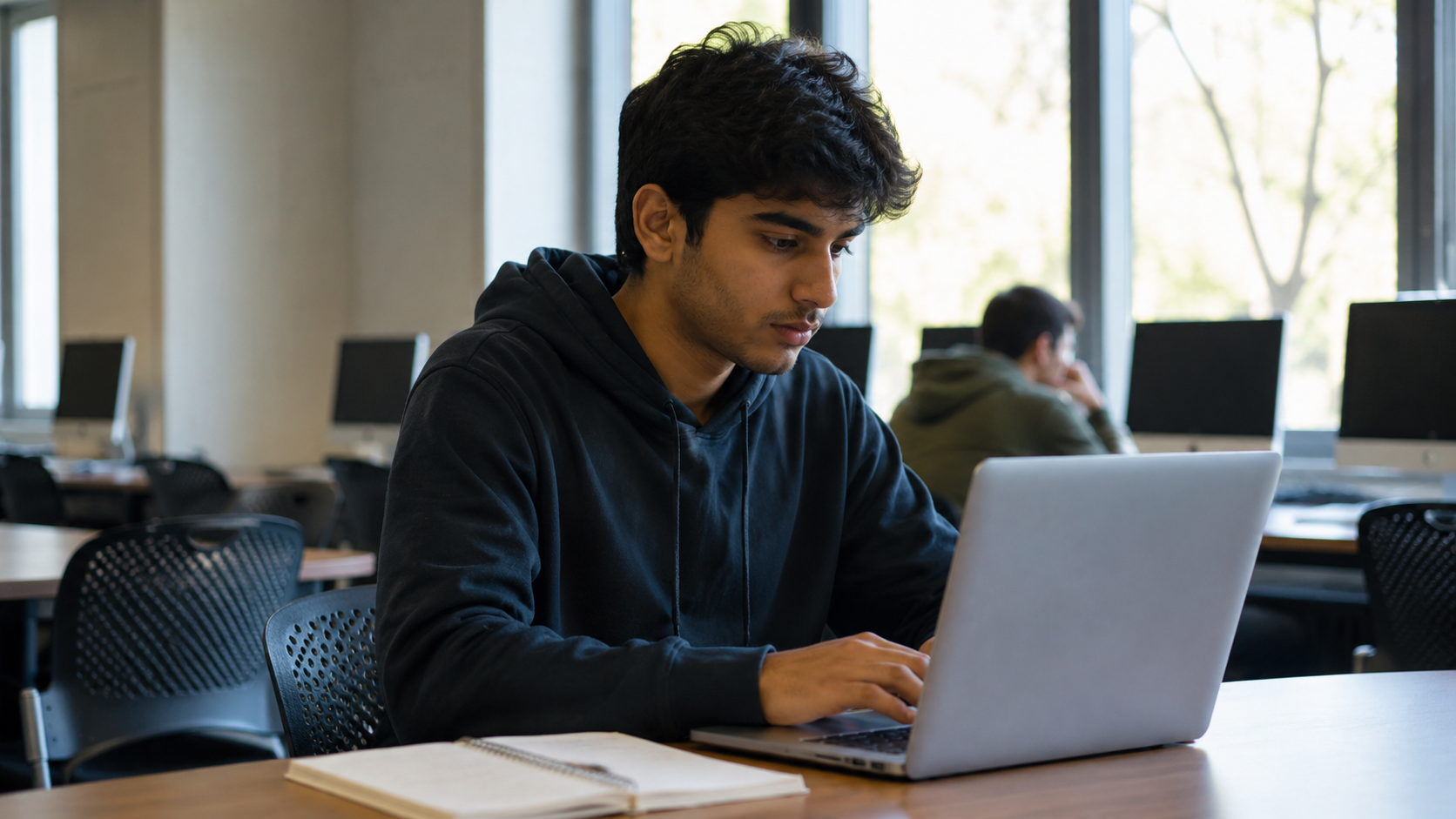
Realizing that you may have fallen out of F-1 student status can feel frightening. You may worry about your classes, future plans, or whether you can continue studying in the United States. The good news is that there may be steps available. One possible option is F-1 reinstatement. Understanding what F-1 reinstatement means, when it may be needed, and what to do next can help you respond calmly and responsibly.
This topic can be complex because every student’s situation is different. The most important first step is to contact your Designated School Official, commonly called a DSO, as soon as you notice a possible issue.
What Is F-1 Reinstatement?
F-1 reinstatement is a process through which an international student may request to return to valid F-1 student status after a status violation. It is not automatic, and approval is not guaranteed. The request is generally reviewed by U.S. Citizenship and Immigration Services, commonly called USCIS.
A student may need to work with a DSO to obtain an updated Form I-20 prepared for a reinstatement request. The student may then need to submit Form I-539, supporting documents, and the applicable filing materials to USCIS.
Reinstatement is different from correcting a small typo or updating a mailing address. It is generally considered when a student has not maintained an important F-1 requirement and wants to continue studying in the United States.
When Is F-1 Reinstatement Needed?
F-1 reinstatement may be needed when a student falls out of status because an F-1 requirement was not followed properly. However, not every student will qualify, and reinstatement may not be the best option in every case.
Common situations that may require immediate attention include:
- Dropping below a full course of study without prior DSO approval.
- Failing to enroll when enrollment was required.
- Not requesting a program extension before the Form I-20 end date.
- Missing an important transfer or reporting deadline.
- Experiencing an administrative issue that affects the SEVIS record.
- Failing to follow an important F-1 requirement because of circumstances outside the student’s control.
A student should never assume that a problem is too small to report. Contacting the DSO early can help clarify whether the record is still active, whether a correction may be possible, or whether reinstatement should be discussed.
Why Acting Quickly Is Important for F-1 Reinstatement
Timing matters. Students should contact their DSO as soon as they discover a possible status issue. Reinstatement cases can become more difficult when more than five months have passed since the student’s SEVIS record was terminated or completed.
This does not mean that every case after five months is automatically impossible. It means additional concerns may need to be addressed, and the student should not delay seeking guidance.
Waiting can create unnecessary stress and make it harder to gather documents, explain what happened, and understand the available options.
How the F-1 Reinstatement Process Usually Works
Step 1: Contact Your DSO Immediately
Your DSO is usually your first point of contact. Explain what happened honestly and provide any relevant dates, emails, academic records, or notices. Do not hide information or guess about your status.
Your DSO can review your SEVIS record and explain the school’s process. The DSO may also tell you whether you should consider speaking with a qualified immigration attorney for advice about your individual situation.
Step 2: Understand the Reason for the Status Issue
Ask your DSO to explain why your record may have been affected. Understanding the reason is important because the next steps can depend on the specific circumstances.
Prepare a simple timeline that includes:
- The date the issue started.
- What caused the issue.
- When you first became aware of it.
- Any steps you took to correct it.
- Relevant emails, forms, or supporting records.
Step 3: Ask Whether a Reinstatement I-20 Is Appropriate
If reinstatement appears to be an appropriate option, your DSO may prepare an updated Form I-20 with a reinstatement recommendation. Review the document carefully and keep a copy for your records.
The DSO supports the school-related part of the process, but the final decision on the reinstatement request is made by USCIS.
Step 4: Prepare the Form I-539 Filing Carefully
A reinstatement request generally involves Form I-539 and supporting documentation. The exact documents can vary by case. Students may need to provide evidence related to their studies, finances, immigration documents, academic records, and the circumstances that caused the status issue.
Do not copy another student’s explanation letter or assume every case requires the same evidence. Your explanation should be truthful, clear, and specific to your situation.
Step 5: Follow School Guidance While the Request Is Pending
Ask your DSO what you should do while the request is pending. Continue to follow the school’s instructions carefully. Do not begin employment, travel internationally, drop classes, or make major academic changes without first discussing the possible impact with your DSO.
Common Mistakes to Avoid During F-1 Reinstatement
Mistake 1: Waiting Too Long to Contact the DSO
Students sometimes delay because they feel embarrassed or hope the issue will disappear. Early communication is usually the better approach.
Mistake 2: Assuming Reinstatement Is Automatic
A DSO recommendation does not guarantee approval. USCIS reviews the request and supporting evidence.
Mistake 3: Submitting an Incomplete Explanation
A vague explanation can create confusion. Provide an accurate timeline and supporting documents when requested.
Mistake 4: Working Without Proper Authorization
Unauthorized employment can create serious complications. Speak with your DSO before accepting work or continuing employment when your status is uncertain.
Mistake 5: Traveling Without Asking for Guidance
International travel may affect a pending request or change the available options. Discuss travel plans with your DSO and seek qualified professional advice when needed.
Practical Advice for International Students
The best way to handle a possible status problem is to stay organized and act early. Keep a secure digital and paper folder with your immigration and academic documents.
Your folder should include:
- Current and previous Forms I-20.
- Passport and visa copies.
- Form I-94 records.
- Enrollment records and transcripts.
- Emails from your DSO or university.
- Copies of any forms submitted to USCIS.
- Receipt notices and decision notices.
Set reminders for important deadlines, including your I-20 program end date, course registration dates, transfer deadlines, and any employment authorization dates.
Final Thoughts: F-1 Reinstatement Should Be Handled Carefully
So, what is F-1 reinstatement and when is it needed? It is a possible process for requesting a return to valid F-1 student status after certain status violations. It may be needed when an important F-1 requirement was not followed correctly and the student wants to continue studying in the United States.
Do not panic, but do not ignore the issue. Contact your DSO promptly, gather your documents, understand what happened, and ask clear questions. When the situation is complicated, consider speaking with a qualified immigration attorney.
This content is for educational guidance only and does not provide legal advice. Immigration situations can vary by student, school, and individual circumstances. Always speak with your DSO or qualified professional support for guidance specific to your situation.
From university selection and scholarships to F-1 visa interview preparation — expert guidance built for international students.