
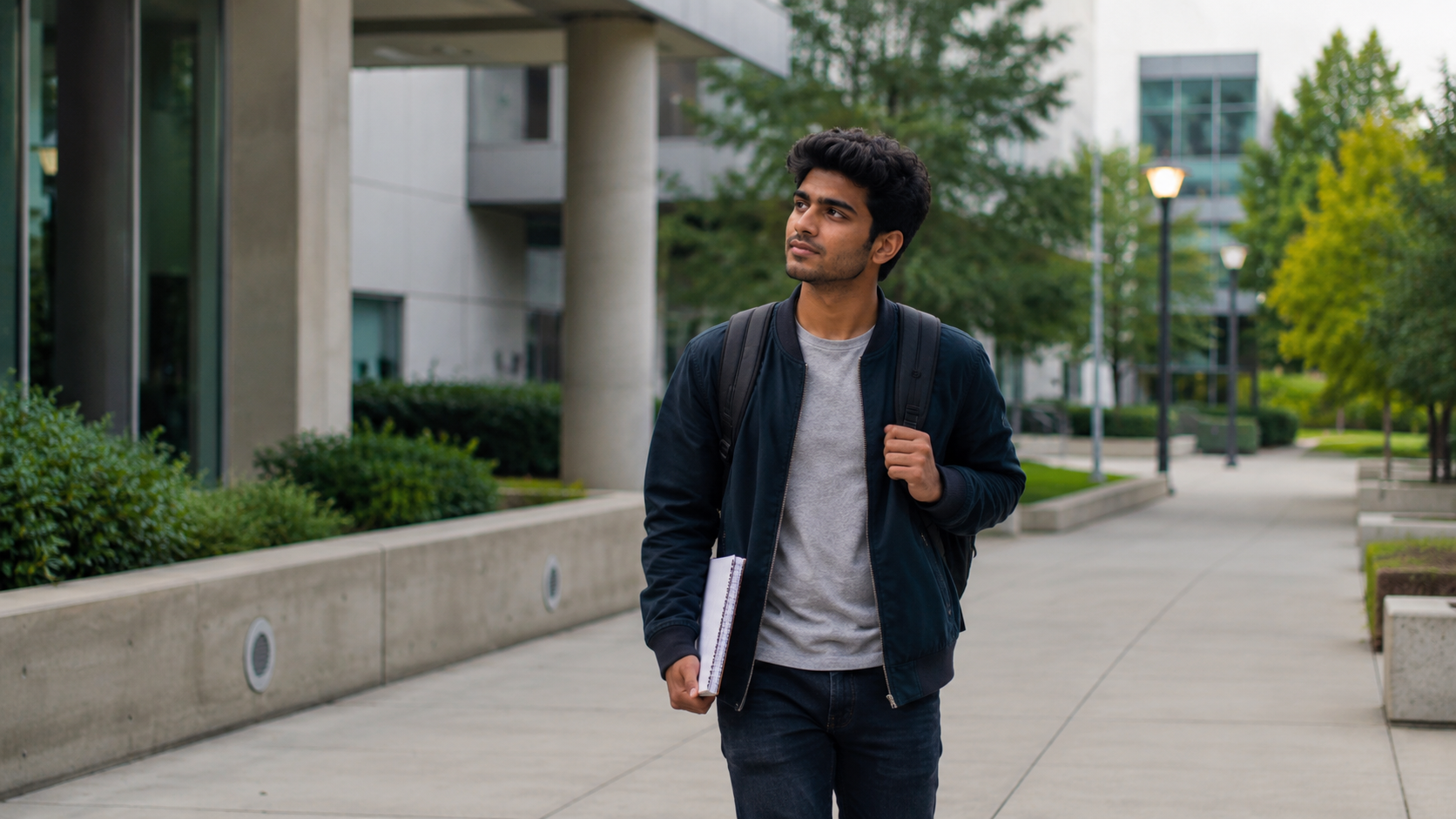
Dealing with homesickness while studying abroad can feel harder than many students expect. You may be excited to study in the United States, meet new people, and build your future, but still miss your family, food, language, home routine, and familiar surroundings. This does not mean you are weak or unprepared. It means you are human.
Many international students experience homesickness during their first semester, especially after the excitement of arrival begins to fade. The good news is that homesickness can become easier to manage when you understand what is happening and build healthy habits step by step.
What Is Homesickness While Studying Abroad?
Homesickness while studying abroad is the emotional discomfort students feel when they are away from home, family, culture, and familiar support systems. It can show up in different ways. Some students feel sad or lonely. Others feel tired, distracted, irritated, or unmotivated. Some students keep comparing everything in the new country with life back home.
Homesickness is not only about missing your house. It can also mean missing:
- Your family and close friends.
- Home-cooked food and familiar meals.
- Your native language and cultural comfort.
- Your normal daily routine.
- Your religious, social, or community environment.
- The feeling of being understood without explaining yourself.
For F-1 students and other international students, homesickness can feel stronger because you are also adjusting to academic pressure, visa responsibilities, money management, housing, transportation, and a different classroom culture.
Why Homesickness While Studying Abroad Feels So Intense
Homesickness can feel intense because your mind is adjusting to many changes at the same time. Even small tasks can feel difficult in a new country. Buying groceries, understanding accents, opening a bank account, using public transportation, or speaking in class may require more energy than expected.
Students often feel homesick during these moments:
- After the first few weeks of excitement are over.
- During weekends or holidays when campus feels quiet.
- After speaking with family and realizing how much they miss home.
- When academic work becomes stressful.
- When they struggle to make close friends quickly.
- When they face cultural differences or language barriers.
Understanding the reason behind your emotions can help you respond with patience instead of panic.
How to Deal with Homesickness While Studying Abroad Step by Step
1. Accept That Homesickness Is Normal
The first step is to stop blaming yourself. Many students think everyone else is adjusting perfectly, but that is rarely true. Some students hide their loneliness because they do not want to look weak. Others post happy photos online while privately struggling.
Remind yourself that missing home and wanting success abroad can exist at the same time. You can be grateful for your opportunity and still feel emotionally uncomfortable.
2. Create a Simple Daily Routine
A routine gives your mind stability. When everything feels new, a predictable schedule can help you feel more in control.
Start with small habits:
- Wake up and sleep at regular times.
- Eat proper meals instead of skipping food.
- Set fixed study hours.
- Go for a short walk daily.
- Plan laundry, groceries, and cleaning once a week.
You do not need a perfect routine. You need a realistic routine that helps you feel grounded.
3. Stay Connected with Home, But Not All Day
Calling family can comfort you, but staying connected all day can sometimes make homesickness stronger. If you are constantly checking what is happening back home, your mind may struggle to build a new life where you are now.
Try setting a healthy communication schedule. For example, you can call family a few times a week or send short daily updates. This helps you stay connected without feeling emotionally stuck between two worlds.
4. Build Small Social Connections on Campus
You do not need to find best friends immediately. Start with small connections. Say hello to classmates, join a study group, attend one campus event, or sit with someone during lunch.
Good places to meet people include:
- International student orientation events.
- Student clubs and cultural associations.
- Library study areas.
- Campus recreation centers.
- Volunteer events.
- Group projects and class discussions.
Friendship usually grows through repeated small interactions. Do not pressure yourself to build a perfect social life in the first month.
5. Bring a Piece of Home into Your New Life
You can reduce homesickness by creating familiar comfort in your new environment. This does not mean refusing to adjust. It means giving yourself emotional support while you adapt.
You can:
- Cook a simple meal from your home country.
- Decorate your room with family photos.
- Listen to familiar music.
- Celebrate important cultural or religious days.
- Connect with students from similar backgrounds.
Small reminders of home can help you feel safe while you build confidence abroad.
Common Mistakes Students Make When Feeling Homesick
Mistake 1: Staying Alone Too Much
It is normal to want quiet time, but complete isolation can make homesickness worse. Try to leave your room every day, even if it is only for a walk, class, library visit, or coffee with a classmate.
Mistake 2: Comparing Your Journey with Others
Some students adjust quickly. Others take longer. Your timeline is not wrong just because someone else looks more confident. Focus on your own progress.
Mistake 3: Ignoring Physical Health
Lack of sleep, poor food, and no exercise can make sadness stronger. Taking care of your body supports your emotional health.
Mistake 4: Thinking Homesickness Means You Made the Wrong Decision
Feeling homesick does not automatically mean you chose the wrong university or country. Sometimes it simply means you are in a transition period.
Mistake 5: Not Asking for Support
Many students wait too long before asking for help. Campus support services exist for a reason. Speaking with an advisor, counselor, mentor, or trusted professor can help you feel less alone.
Practical Advice for International Students Feeling Homesick
If you are dealing with homesickness while studying abroad, create a simple weekly plan. Do not try to solve everything in one day. Choose small actions that make life feel more stable.
- Call family at planned times instead of constantly checking your phone.
- Attend at least one campus activity each week.
- Study in public spaces like the library instead of staying alone in your room.
- Cook one familiar meal each week.
- Exercise, walk, or spend time outdoors regularly.
- Speak with your international student office if adjustment feels difficult.
- Use campus counseling or wellness services if sadness becomes heavy or constant.
Also remember that academic stress can increase homesickness. If you are struggling in class, speak with your professor, teaching assistant, academic advisor, or tutoring center early. Solving academic confusion can reduce emotional pressure.
When Should You Seek Extra Help?
Homesickness usually improves with time, routine, and support. However, if you feel constantly sad, unable to sleep, unable to eat, unable to attend class, or disconnected from daily life, it is important to reach out for help. You can contact campus counseling services, student health services, your academic advisor, or your international student office.
Asking for help does not mean you cannot handle studying abroad. It means you are taking your well-being seriously.
Final Thoughts on Dealing with Homesickness While Studying Abroad
Dealing with homesickness while studying abroad is one of the most common emotional challenges international students face. It can feel lonely at first, but it does not have to define your entire experience. With time, routine, connection, and support, your new campus can slowly start to feel familiar.
You do not need to forget home to succeed abroad. You can stay connected to your roots while building a new chapter in the United States. Be patient with yourself, take small steps, and remember that adjustment is a process. Many students who feel homesick in the beginning later become confident, independent, and proud of how far they have come.
This content is for educational guidance only and does not provide medical, mental health, immigration, or legal advice. If you need personal support, contact your university’s student support services or a qualified professional.
From university selection and scholarships to F-1 visa interview preparation — expert guidance built for international students.