
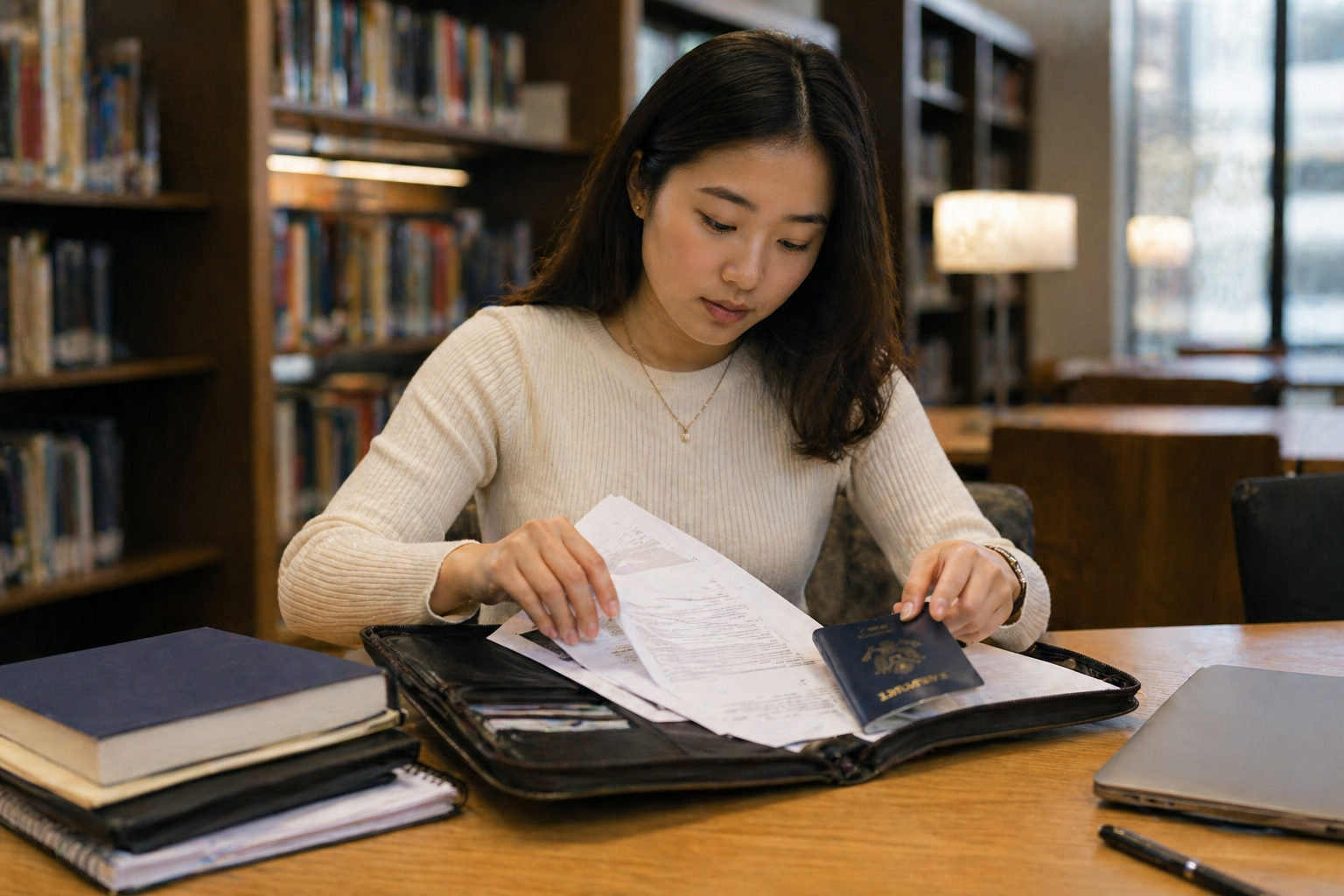
As your visa interview date approaches, it’s natural to feel nervous and want to prepare for every possible situation. One common question students ask is: should you carry extra documents to the interview?
You might think carrying more documents increases your chances, but in reality, it’s about carrying the right documents—not just more. Let’s break this down in a simple and practical way so you can walk into your interview feeling confident and prepared.
Should You Carry Extra Documents to the Interview?
The short answer is: yes, but with clarity and purpose.
When thinking about should you carry extra documents to the interview, remember that visa officers usually ask for specific documents. They are not going to review large stacks of paperwork unless needed.
However, having relevant supporting documents ready can help you if a question comes up that requires proof or clarification.
What Documents Are Usually Enough?
Before deciding on extra documents, make sure your basic set is complete:
- Valid passport
- Form I-20
- DS-160 confirmation page
- Visa appointment confirmation
- SEVIS fee payment receipt
These are essential. Everything else should be considered as supporting documents.
Which Extra Documents Can Be Helpful?
If you are wondering should you carry extra documents to the interview, here are some useful ones to consider:
- Financial documents: Bank statements, sponsor letters, proof of income
- Academic records: Transcripts, certificates, test scores
- Admission documents: Offer letter, scholarship details (if any)
- Ties to home country: Property documents, family details (only if relevant)
Carry them neatly organized in a folder so you can access them quickly if needed.
What Happens If You Carry Too Many Documents?
Bringing too many documents can sometimes create confusion rather than confidence.
- You may struggle to find the right document quickly
- It can make you appear overprepared or anxious
- You might rely too much on documents instead of clear answers
Remember, the interview is primarily a conversation—not a document verification session.
Step-by-Step: How to Decide What to Carry
1. Start with Essentials
Ensure all required documents are complete and easily accessible.
2. Add Relevant Support Only
Think about your profile. Add documents that support your answers, not everything you have.
3. Organize Clearly
- Use labeled folders
- Keep documents in logical order
4. Practice Without Documents
Be able to answer questions confidently without looking at papers. Documents are backup—not your main tool.
Common Mistakes Students Make
When deciding should you carry extra documents to the interview, many students make these mistakes:
- Carrying unnecessary or unrelated documents
- Depending too much on showing papers instead of explaining clearly
- Bringing unorganized files
- Panicking and searching for documents during the interview
A calm and structured approach always works better.
Practical Tips for Interview Day
- Carry a clean, professional folder
- Keep documents easy to access
- Only present documents when asked
- Maintain eye contact and focus on communication
Your confidence and clarity matter more than the number of documents you carry.
Final Thoughts: Prepared, Not Overloaded
If you’re still thinking about should you carry extra documents to the interview, the key is balance.
Carry what is necessary and useful—but avoid overloading yourself. The visa officer is evaluating your intent, clarity, and confidence, not how many documents you bring.
Prepare smartly, stay organized, and focus on presenting your story clearly. That’s what truly makes a difference.
From university selection and scholarships to F-1 visa interview preparation — expert guidance built for international students.