
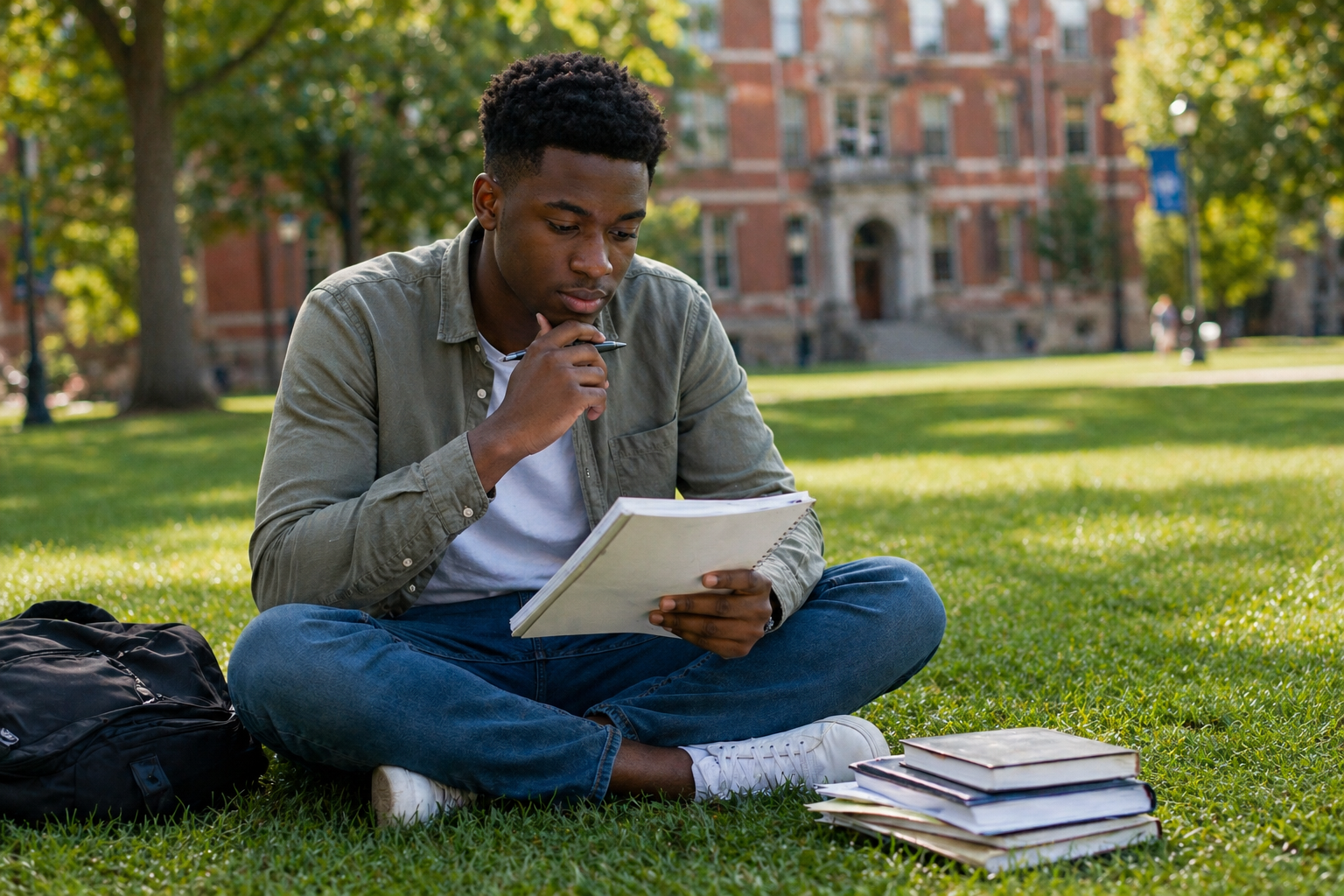
Preparing for a visa interview can feel overwhelming. You may have your documents ready, your university confirmed, and your plans clear—but still feel nervous. This is where mental readiness for visa interviews becomes essential.
Many students underestimate how much their mindset affects their performance. Even strong applicants can struggle if they feel anxious, confused, or unprepared mentally. The good news is that mental readiness is something you can build step by step.
Why Mental Readiness for Visa Interviews Matters
Your visa interview is a short but important conversation. In just a few minutes, you need to explain your plans clearly and confidently.
Without proper mental readiness for visa interviews, you may:
- Forget important points
- Give unclear or rushed answers
- Feel nervous or distracted
- Struggle to explain your story logically
On the other hand, a calm and prepared mindset helps you communicate naturally and stay focused throughout the interview.
What Does Mental Readiness Actually Mean?
Mental readiness is not about memorizing answers. It is about understanding your own story and being able to express it clearly under pressure.
It includes:
- Clarity about your academic and career goals
- Confidence in your answers
- Ability to stay calm during unexpected questions
- Control over nervousness and stress
Think of it as preparing your mind, not just your documents.
Step-by-Step: How to Build Mental Readiness for Visa Interviews
1. Understand Your Own Story
Start by clearly defining your journey:
- Why did you choose your course?
- Why this university?
- What are your plans after graduation?
When you understand your own decisions, your answers become natural and consistent.
2. Practice Speaking, Not Memorizing
Avoid memorizing fixed answers. Instead:
- Practice explaining ideas in your own words
- Focus on clarity rather than perfection
- Speak out loud to build confidence
This helps you sound genuine instead of rehearsed.
3. Simulate Real Interview Conditions
Practice in a realistic setting:
- Stand or sit as you would in the interview
- Keep answers short and structured
- Ask someone to conduct a mock interview
This reduces anxiety on the actual day.
4. Learn to Manage Nervousness
Feeling nervous is normal. What matters is how you manage it.
- Take slow, deep breaths before answering
- Pause briefly if needed
- Focus on the question, not your fear
Small techniques can help you stay composed.
5. Build Confidence Through Preparation
Confidence comes from knowing you are prepared.
- Review your documents carefully
- Understand your financial details
- Be ready to explain your choices logically
The more prepared you are, the more confident you will feel.
Common Mistakes That Affect Mental Readiness
Many students struggle not because of weak profiles, but because of avoidable mental preparation mistakes.
- Overthinking every possible question
- Memorizing answers word-for-word
- Comparing themselves with others
- Ignoring practice and relying only on documents
- Focusing too much on fear of rejection
These habits increase stress instead of reducing it.
Practical Tips for Interview Day
- Sleep well the night before
- Reach early to avoid last-minute stress
- Stay present and focused during the interview
- Listen carefully before answering
- Keep your answers simple and direct
Remember, you are having a conversation—not giving a speech.
How to Stay Calm Under Pressure
Even with preparation, unexpected questions can come up. Staying calm is key.
- If you don’t understand a question, politely ask for clarification
- If you need a moment, take a short pause
- Trust your preparation and respond honestly
Calm thinking leads to better answers.
Final Thoughts: Confidence Comes from Clarity
Building mental readiness for visa interviews is one of the most important parts of your preparation. It helps you present your story clearly and handle the interview with confidence.
You do not need perfect answers. You need clear thinking, calm delivery, and genuine understanding of your journey.
With the right mindset and consistent practice, you can walk into your interview feeling prepared and confident.
From university selection and scholarships to F-1 visa interview preparation — expert guidance built for international students.