
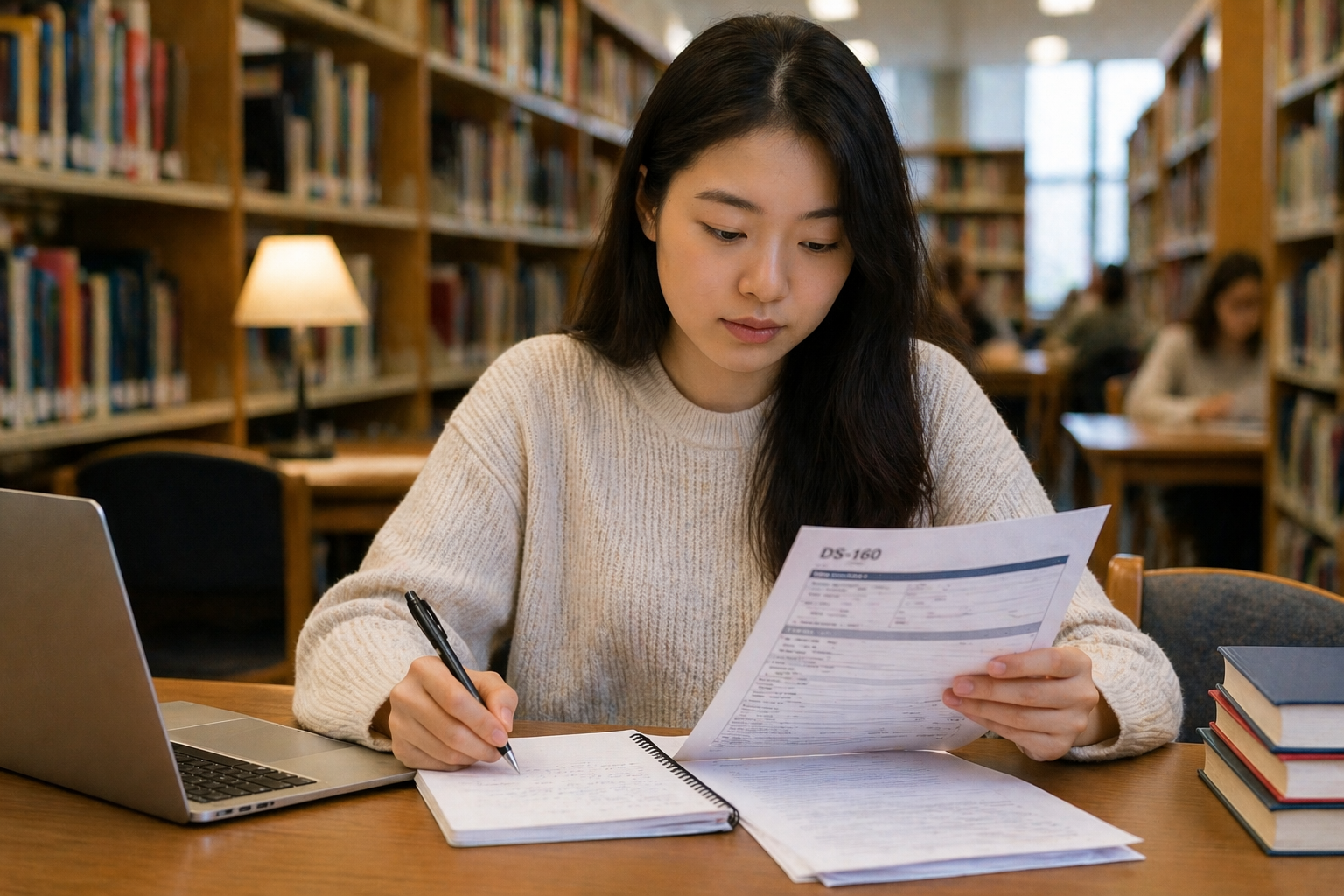
Many students feel confident after submitting their DS-160 form, but during the interview, they suddenly worry: what if my answers don’t match? If you are thinking about DS-160 and interview answers don’t match, you are not alone.
This situation can happen more often than you think. Small differences, forgotten details, or unclear explanations can create confusion during your visa interview. The important thing is understanding how serious it is and how to handle it properly.
Why DS-160 and Interview Answers Don’t Match Can Be a Problem
Your DS-160 form is the foundation of your visa application. The visa officer may review it before or during your interview. If your answers during the interview do not align with what you submitted, it can raise concerns.
When DS-160 and interview answers don’t match, the officer may question:
- Your consistency and reliability
- Whether the information provided is accurate
- Your clarity about your own plans
However, not all mismatches are treated the same. The impact depends on the type and seriousness of the difference.
Types of Mismatches and Their Impact
1. Minor Differences
These are small inconsistencies that usually happen due to memory or wording differences.
- Slight variation in dates
- Different wording for the same answer
- Minor details about past activities
These are generally not a major issue if you explain them clearly.
2. Moderate Inconsistencies
These involve more noticeable differences.
- Different answers about your study plans
- Changes in sponsor details
- Inconsistent academic or work history
These may raise questions, and you will need to clarify them confidently.
3. Major Contradictions
These are serious mismatches.
- Completely different information about your purpose of study
- Incorrect or conflicting personal details
- Answers that suggest confusion or lack of honesty
These can negatively affect your overall impression.
Common Reasons Why Answers Don’t Match
Understanding the cause can help you avoid the issue.
- Rushed DS-160 submission: Filling the form without careful review
- Memorized interview answers: Forgetting what was written
- Lack of preparation: Not reviewing your application before the interview
- Nervousness: Stress causing unclear or incorrect responses
Most mismatches are not intentional—they happen due to lack of preparation.
What to Do If DS-160 and Interview Answers Don’t Match
1. Stay Calm and Honest
If a mismatch is noticed, do not panic. Stay calm and explain your answer clearly.
2. Clarify, Don’t Over-Explain
Give a simple and direct explanation. Avoid long or complicated answers.
3. Accept Small Mistakes
If it is a minor error, you can acknowledge it politely and provide the correct information.
4. Focus on Your Intent
Bring the conversation back to your study goals and plans. This helps reinforce your overall profile.
How to Avoid DS-160 and Interview Answers Don’t Match Issues
1. Review Your DS-160 Carefully
Before your interview, go through every section of your form.
- Understand what you submitted
- Be ready to explain each part
2. Practice Based on Your Own Information
Do not use generic answers. Practice using your actual details.
3. Keep Your Story Consistent
Your academic background, course choice, and future plans should connect logically.
4. Avoid Memorization
Focus on understanding your answers instead of memorizing them.
Common Mistakes Students Make
- Not reviewing their DS-160 before the interview
- Giving different answers under pressure
- Trying to change answers to sound “better”
- Providing too much unnecessary detail
Consistency comes from preparation, not perfection.
Practical Tips for Interview Day
- Read your DS-160 one day before the interview
- Keep your answers simple and clear
- Take a moment before answering if needed
- Speak naturally and confidently
Even if there is a small mismatch, how you handle it matters more than the mistake itself.
Final Thoughts: Consistency Builds Confidence
If you are worried about DS-160 and interview answers don’t match, remember that preparation can solve most of these concerns.
Your goal is not to be perfect—it is to be clear, consistent, and genuine. When you understand your own application and speak honestly, you create a stronger and more confident impression.
Take time to review, practice, and stay calm. With the right approach, you can handle your interview with clarity and confidence.
From university selection and scholarships to F-1 visa interview preparation — expert guidance built for international students.