
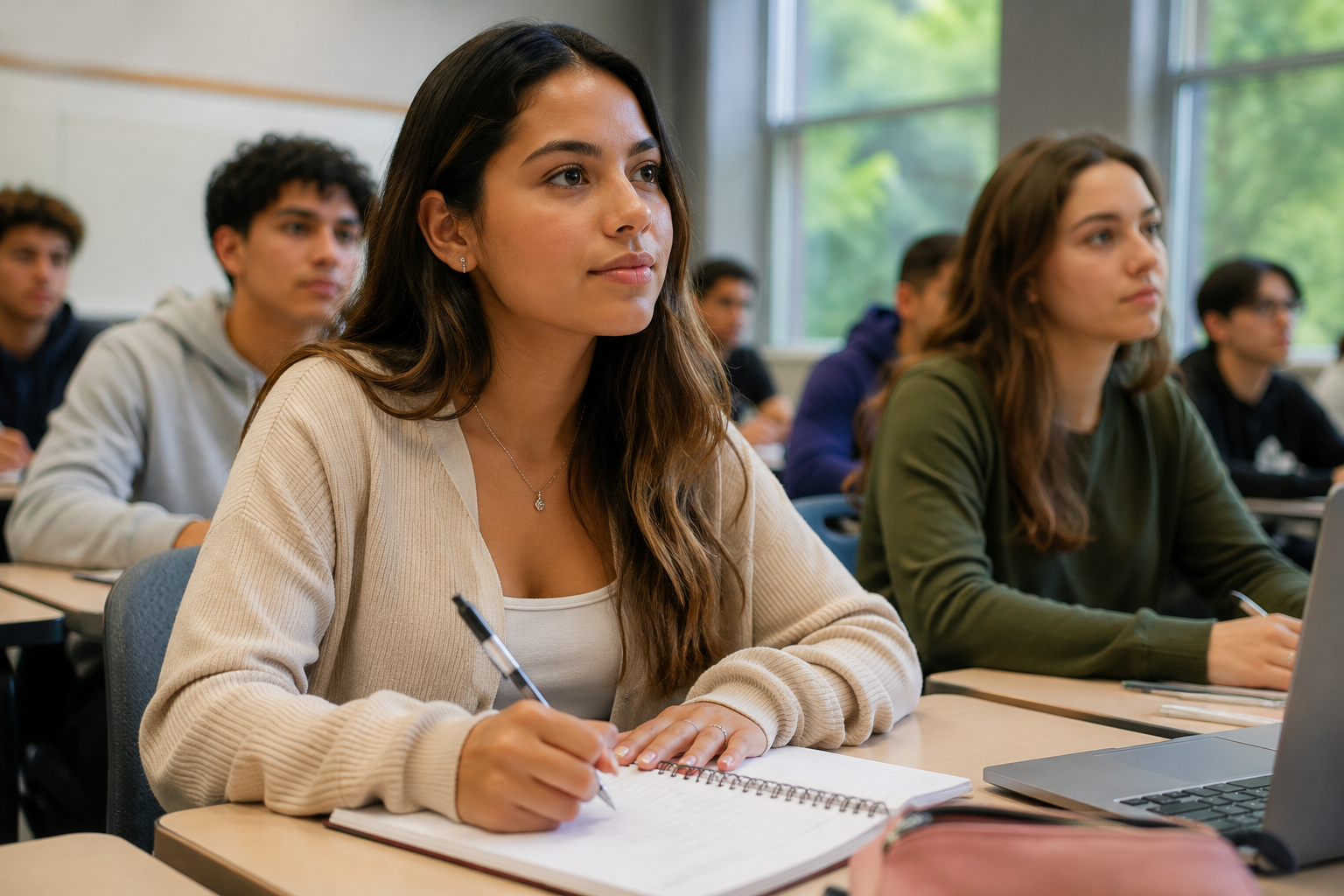
Many international students arrive in the United States believing that academic success depends only on intelligence. In reality, what top students do differently is often much simpler. They develop consistent habits, stay organized, ask for help when needed, and continue improving throughout the semester. Success is usually the result of steady effort rather than natural talent.
If you’re adjusting to a new education system, different teaching methods, and life in a new country, you may wonder how successful students seem to stay ahead. The good news is that many of their habits can be learned and practiced by anyone.
What Top Students Do Differently Every Day
Top-performing students rarely rely on last-minute studying. Instead, they build routines that help them learn consistently throughout the semester.
- Review class notes soon after each lecture.
- Complete assignments before deadlines.
- Study regularly instead of cramming before exams.
- Keep a structured weekly schedule.
- Set realistic academic goals.
Small daily improvements often lead to stronger academic performance over time.
They Manage Their Time Effectively
Time management is one of the biggest differences between average and high-performing students.
Successful students often:
- Use digital or paper planners.
- Break large projects into smaller tasks.
- Prioritize important assignments.
- Limit distractions while studying.
- Balance academics with personal well-being.
Planning ahead reduces stress and helps students avoid rushing through important work.
They Participate Actively in Class
Top students understand that learning extends beyond listening to lectures.
They often:
- Ask thoughtful questions.
- Participate in discussions.
- Attend office hours.
- Seek clarification when concepts are unclear.
- Engage respectfully with classmates and professors.
Active participation can deepen understanding and improve confidence.
They Build Strong Study Habits
Effective study habits help students retain information and prepare for exams more efficiently.
- Create a distraction-free study space.
- Review material consistently.
- Practice solving problems rather than only reading.
- Use flashcards, summaries, or practice quizzes.
- Take regular breaks during long study sessions.
They Know When to Ask for Help
One common misconception is that successful students solve every problem alone. In reality, they know when to seek guidance.
Helpful resources may include:
- Academic advisors.
- Professors during office hours.
- Tutoring centers.
- Writing centers.
- Study groups.
- Campus libraries.
Using available support services is a sign of good judgment, not weakness.
They Take Care of Their Well-Being
Academic success is closely connected to physical and mental well-being.
Top students often make time for:
- Regular sleep.
- Healthy meals.
- Exercise.
- Short breaks between study sessions.
- Maintaining social connections.
A healthy routine can improve concentration, memory, and overall productivity.
Common Mistakes to Avoid
- Waiting until the night before exams to study.
- Skipping classes regularly.
- Ignoring assignment deadlines.
- Being afraid to ask questions.
- Trying to multitask while studying.
- Comparing yourself constantly with others.
Practical Tips You Can Start Today
You do not need to change everything at once. Start with one or two habits and build consistency over time.
- Create a weekly study schedule.
- Review lecture notes within 24 hours.
- Complete assignments early whenever possible.
- Visit your professor during office hours.
- Study with classmates occasionally.
- Track your academic goals each week.
Frequently Asked Questions
Do top students study all day?
Not necessarily. Many successful students focus on studying efficiently rather than studying for long hours.
Can international students develop these habits?
Yes. These habits are practical and can be developed gradually regardless of your educational background.
Is intelligence the biggest factor in academic success?
Strong organization, consistent effort, effective study strategies, and good time management often play an important role in long-term academic success.
Final Thoughts
What top students do differently is rarely a secret. They stay organized, manage their time wisely, participate actively, seek support when needed, and continue learning from every experience. These habits are not limited to a small group of students—they can be developed by anyone willing to practice them consistently.
If you’re beginning your journey at a U.S. university, focus on building sustainable routines instead of chasing perfection. Small improvements each week can lead to meaningful academic progress throughout your degree.
Disclaimer: This article is provided for educational purposes only. Academic policies, support services, and student resources may vary by institution. Always consult your university for guidance specific to your program.
From university selection and scholarships to F-1 visa interview preparation — expert guidance built for international students.