
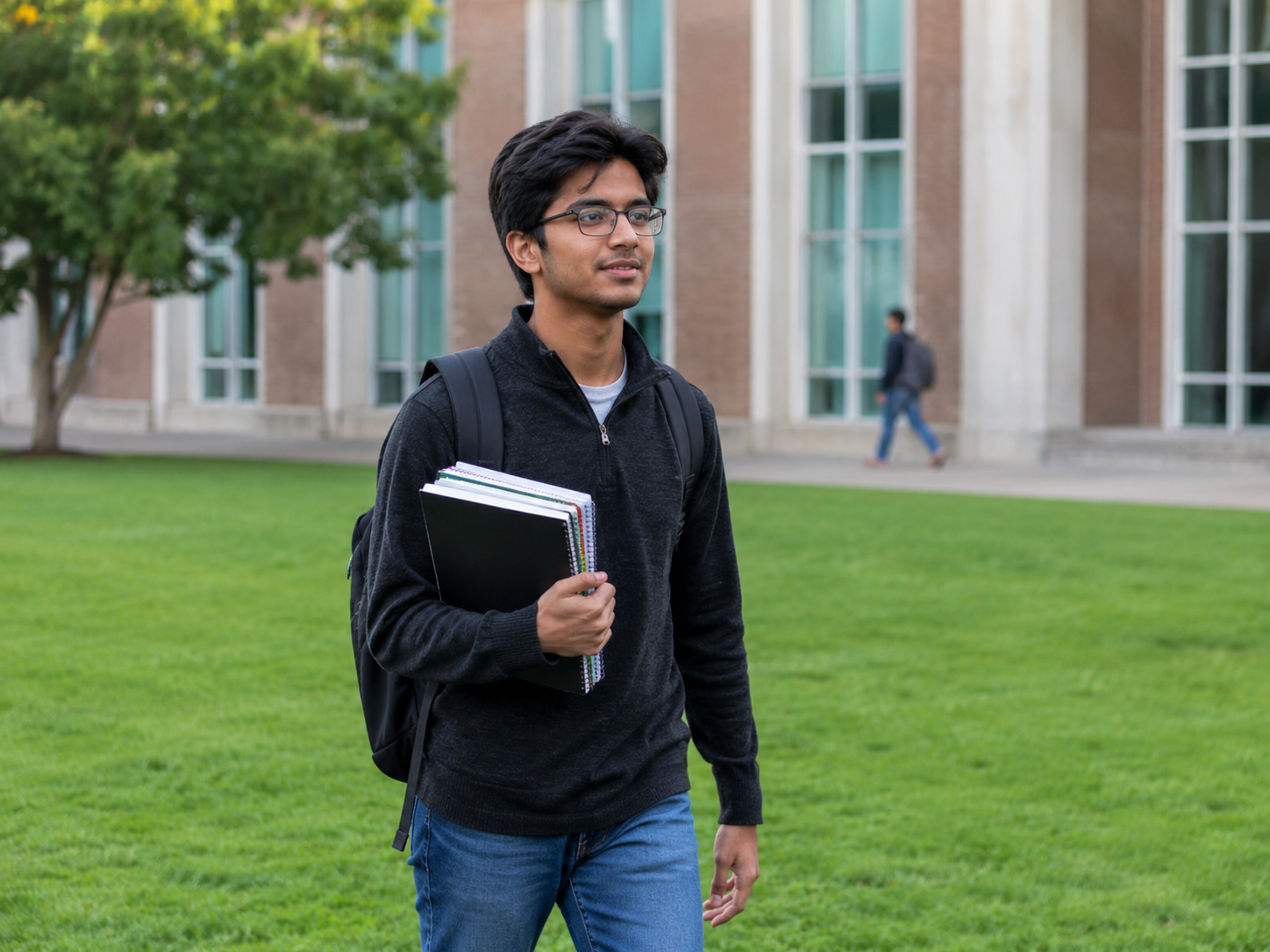
Understanding diversity on U.S. campuses can help international students feel more prepared, confident, and comfortable before starting their academic journey. Many students arrive in the United States excited but also nervous. They may wonder how classmates will treat them, whether their accent will matter, how classroom discussions work, or whether they will find people who understand their background. These feelings are normal. U.S. campuses often bring together students from many countries, cultures, religions, languages, identities, academic interests, and life experiences. Learning how diversity works can help you adjust faster and participate more confidently.
Understanding Diversity on U.S. Campuses: What It Really Means
Diversity on a U.S. campus is not only about nationality. It can include race, ethnicity, religion, language, gender, disability, age, family background, financial situation, academic interest, political views, and personal experiences. For international students, this means you may study with classmates who think, speak, dress, communicate, and solve problems differently from you.
This can feel unfamiliar at first, but it can also become one of the most valuable parts of studying in the United States. A diverse campus gives students the opportunity to learn beyond textbooks. You may hear different opinions in class, work with students from many backgrounds, and understand how people from different communities approach the same issue.
According to the Open Doors 2025 Report on International Educational Exchange, U.S. higher education institutions hosted 1,177,766 international students from more than 200 places of origin during the 2024/25 academic year. This shows that international students are part of a large and globally connected U.S. education environment. Source: Open Doors 2025 International Students.
Why Campus Diversity Matters for International Students
Campus diversity matters because it affects your daily student life. It shapes your classroom experience, friendships, communication style, group projects, housing, student organizations, and sense of belonging.
For international students, diversity can help in several ways:
- Better cultural learning: You learn how people from different backgrounds communicate and work together.
- More confidence: Meeting students with different accents, cultures, and experiences can reduce the fear of being different.
- Stronger classroom discussions: Diverse viewpoints can make academic conversations more meaningful.
- Professional growth: Employers often value students who can work respectfully with people from many backgrounds.
- Personal development: You become more open-minded, patient, and aware of the world around you.
EducationUSA, a U.S. Department of State network, describes the United States as offering thousands of academic programs and a wide range of higher-education opportunities for students seeking a strong academic fit. Source: EducationUSA.
Understanding Diversity on U.S. Campuses in Daily Student Life
Diversity is not only something you see during orientation. It appears in everyday campus life. You may notice it in classroom discussions, cafeteria food choices, student clubs, campus events, religious spaces, residence halls, and group assignments.
In the Classroom
U.S. classrooms often encourage participation, questions, and respectful debate. Some students may speak directly, while others may be quieter. Professors may ask students to share opinions, explain examples from their home countries, or work in teams. This can be new for students who come from education systems where listening quietly is more common.
In Friendships and Social Life
Friendships on U.S. campuses may form through classes, dorms, clubs, sports, volunteer work, or campus jobs. You may connect with students from your own country, but it is also helpful to meet people from other backgrounds. Both types of friendships can support your adjustment.
In Student Organizations
Many campuses have international student associations, cultural clubs, faith-based groups, academic societies, career clubs, and service organizations. Joining one or two groups can help you meet people naturally instead of waiting for friendships to happen by chance.
Step-by-Step Ways to Adjust to a Diverse Campus
1. Attend International Student Orientation
Orientation is often the first place where students learn about campus rules, safety, academic expectations, health insurance, student services, and cultural adjustment. It is also a good place to meet other new students who may be feeling the same way.
2. Learn Communication Norms Slowly
You do not need to understand every social rule immediately. Notice how classmates ask questions, disagree politely, email professors, and participate in group work. Over time, these patterns become easier to understand.
3. Join Campus Activities Early
Do not wait until you feel fully settled. Joining student activities early can reduce loneliness and help you build a support network. Start with low-pressure activities such as welcome events, cultural nights, academic clubs, or volunteer programs.
4. Ask Questions Respectfully
If you do not understand a cultural reference, classroom expectation, or social situation, ask politely. Most people appreciate honest questions when they are asked with respect.
5. Use Campus Support Services
Many U.S. campuses offer international student offices, writing centers, counseling services, tutoring, career centers, disability services, and academic advising. These services exist to support students, not to judge them.
Common Mistakes International Students Should Avoid
Adjusting to campus diversity becomes easier when you avoid a few common mistakes.
- Staying only with students from your own country: It is comforting, but it may limit your cultural and academic growth.
- Assuming everyone understands your background: Some classmates may not know much about your country, culture, or education system.
- Judging too quickly: A communication style that seems rude or strange may simply be different from what you are used to.
- Being afraid of your accent: Many students and professors are used to hearing different accents on campus.
- Avoiding difficult conversations: Respectful disagreement is often part of U.S. academic culture.
- Ignoring campus resources: Support offices can help with adjustment, stress, writing, career planning, and student life.
Practical Advice for Feeling Included
Feeling included does not always happen immediately. Some students feel comfortable within weeks, while others need a semester or more. Both experiences are normal.
Here are practical ways to build belonging:
- Introduce yourself to classmates before or after class.
- Visit office hours to speak with professors or teaching assistants.
- Attend at least one campus event each week during your first month.
- Practice small talk about classes, assignments, weather, food, or campus events.
- Learn about different cultures without making stereotypes.
- Share your own culture when you feel comfortable.
- Be patient with yourself during the adjustment period.
You do not need to change your identity to fit in. The goal is to learn how to communicate across differences while staying respectful of yourself and others.
How Diversity Supports Career Growth
Diversity on U.S. campuses can also support your future career. Many workplaces expect employees to collaborate with people from different cultures, time zones, communication styles, and professional backgrounds. Campus life gives you early practice in teamwork, leadership, listening, and problem-solving.
Group projects, student leadership roles, internships, research teams, and campus jobs can all help you build these skills. When you learn to work well with diverse classmates, you also prepare yourself for professional environments after graduation.
Final Thoughts: Diversity Can Become Your Strength
Understanding diversity on U.S. campuses can make your study-abroad experience less confusing and more meaningful. At first, differences in language, communication, classroom behavior, food, friendship, and social expectations may feel overwhelming. Over time, these differences can help you grow academically, personally, and professionally.
You do not have to understand everything on your first day. Start with curiosity, respect, and small steps. Ask questions, join campus activities, use support services, and give yourself time to adjust. A diverse campus is not only a place where many cultures exist together. It is also a place where you can learn who you are, understand others better, and build confidence for your future.
From university selection and scholarships to F-1 visa interview preparation — expert guidance built for international students.