
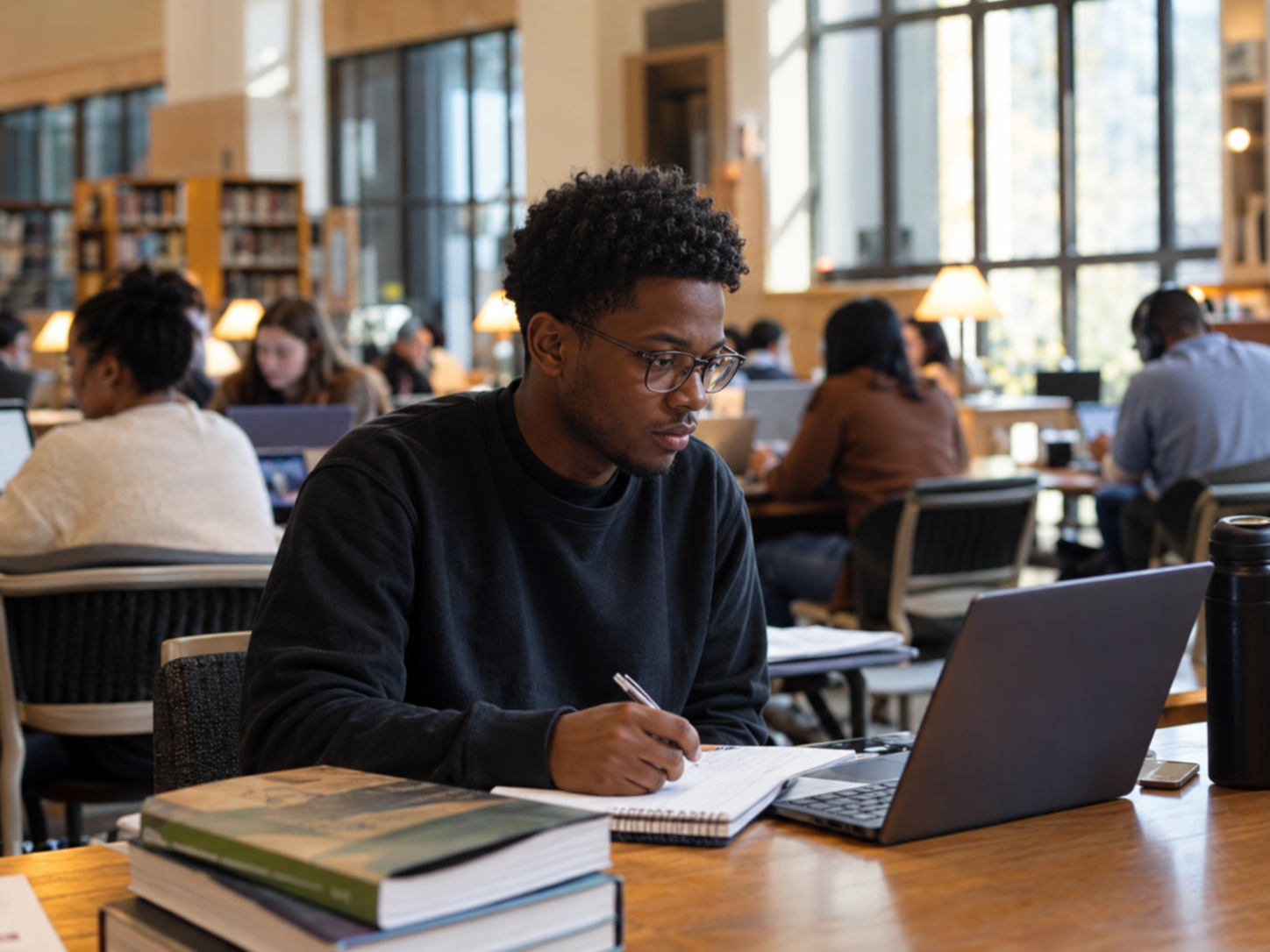
Arriving at an American university can be exciting, but it can also feel overwhelming. You may suddenly find yourself studying with people who speak differently, grew up in different cultures, follow different traditions, and see the world from perspectives you have never encountered before. Understanding diversity on U.S. campuses can help international students adjust more comfortably, communicate with confidence, and make the most of their university experience.
The U.S. Department of State’s EducationUSA program describes international students as an important part of campus internationalization because they bring different perspectives and experiences into classrooms and university communities. EducationUSA also emphasizes the broad variety of higher education institutions available across the United States.
What Does Diversity on U.S. Campuses Mean?
Campus diversity is broader than simply having students from different countries. A university community may include students with different racial and ethnic backgrounds, languages, nationalities, economic circumstances, educational experiences, abilities, ages, family backgrounds, and personal perspectives.
The National Center for Education Statistics collects higher-education enrollment information across categories including race, ethnicity, gender, and U.S. nonresident status through the Integrated Postsecondary Education Data System. This illustrates how varied student populations can be across U.S. institutions. NCES IPEDS
However, diversity looks different at every university. A large university in a major city may feel very different from a small rural college. Before choosing a school, international students should review the institution’s student profile, campus organizations, location, academic programs, and student-support services.
Why Diversity on U.S. Campuses Can Feel Different at First
International students may arrive with expectations shaped by their previous schools and communities. In the United States, you might meet classmates whose communication styles, classroom habits, food preferences, clothing, social customs, or opinions are unfamiliar to you.
These differences do not necessarily mean that anyone is being unfriendly. Sometimes students simply have different ways of communicating.
For example, some students may speak very directly during classroom discussions, while others may communicate more cautiously. Some may comfortably disagree with a professor, while students from other educational cultures may consider that unusual.
Instead of assuming one approach is correct, observe how people communicate and give yourself time to adjust.
How Classroom Diversity Can Affect Your Learning
Many international students experience cultural diversity most clearly inside the classroom. You may work on projects with classmates who approach problems differently from you.
This can be useful because group discussions may expose you to perspectives you would not encounter in a more culturally similar environment. EducationUSA notes that international students contribute diverse perspectives and experiences to U.S. classrooms and communities. EducationUSA Global Guide
To participate effectively:
- Listen carefully before responding to unfamiliar opinions.
- Ask respectful questions when something is unclear.
- Avoid assuming that one student represents an entire country or culture.
- Contribute your own perspective without feeling that you must speak for everyone from your country.
- Focus disagreements on ideas rather than personalities.
Making Friends Across Different Cultures
One of the best ways to become comfortable with diversity is simply to interact with people.
You do not have to completely change your personality or abandon friendships with students from your home country. Instead, gradually expand your social circle.
Try joining:
- Academic clubs related to your major
- International student organizations
- Sports or recreational groups
- Volunteer activities
- Professional associations
- Language or cultural clubs
- Campus events and student workshops
Shared activities often make conversations easier because you already have something in common.
Handling Language and Accent Differences
You may meet students who speak English with many different accents. Your classmates may also need time to become familiar with your accent.
Do not assume that having an accent means your English is poor. English is spoken in many different ways around the world.
If you do not understand someone, politely ask them to repeat or explain what they mean. Similarly, if someone asks you to repeat something, try not to immediately interpret the request negatively.
Communication usually becomes easier as people spend more time together.
Respecting Cultural and Religious Differences
Students on U.S. campuses may have very different cultural and religious backgrounds. You may encounter traditions, clothing, food practices, celebrations, or beliefs that are unfamiliar to you.
Curiosity can help you learn, but questions should remain respectful. Avoid stereotypes or assumptions based on someone’s appearance, nationality, religion, or name.
The U.S. Department of Education explains that Title VI of the Civil Rights Act prohibits discrimination based on race, color, or national origin in institutions receiving federal financial assistance. Its guidance also explains protections involving discrimination based on shared ancestry or ethnic characteristics. U.S. Department of Education
What If You Feel Excluded or Uncomfortable?
Not every interaction will be perfect. Cultural misunderstandings can happen, and sometimes students may experience behavior that makes them uncomfortable.
If you are unsure whether something was a misunderstanding, talking with a trusted friend, academic adviser, international student adviser, resident adviser, or student-support office may help you understand the situation.
If you believe you are experiencing discrimination or serious harassment, review your university’s reporting procedures and support resources. The U.S. Department of Education’s Office for Civil Rights also provides information about federal civil-rights protections and complaint procedures. Office for Civil Rights
Common Mistakes International Students Should Avoid
- Staying only within your own cultural group: Familiar friendships are valuable, but avoiding everyone else can limit your experience.
- Making quick assumptions: One interaction does not represent an entire culture.
- Comparing everything with home: Differences do not automatically mean something is better or worse.
- Being afraid of asking questions: Respectful questions can prevent misunderstandings.
- Remaining silent because your English is imperfect: Communication skills often improve through regular participation.
- Expecting immediate friendships: Relationships often develop gradually through repeated interaction.
Practical Ways to Benefit From Diversity on U.S. Campuses
Approach campus diversity as an opportunity to learn rather than something you must completely understand immediately.
During your first semester, consider setting simple goals:
- Attend at least a few campus events outside your cultural community.
- Introduce yourself to classmates before or after class.
- Participate in group projects instead of remaining silent.
- Try activities you did not have access to at home.
- Learn how classmates prefer to communicate.
- Visit your international student office when you need campus guidance.
- Stay curious while maintaining your own identity and values.
EducationUSA also provides resources for international students with disabilities and notes that many individual U.S. campuses offer additional student services and organizations. EducationUSA Student Resources
Conclusion: Diversity Can Become One of the Most Valuable Parts of Studying in the USA
Understanding diversity on U.S. campuses does not mean knowing everything about every culture. It means being willing to listen, communicate respectfully, question assumptions, and learn from people whose experiences may be different from yours.
The first few weeks may feel unfamiliar, especially if you have never studied in such an environment before. Give yourself time. You can maintain your own culture while also building friendships across different communities.
Over time, the conversations, friendships, classroom discussions, and perspectives you encounter may become an important part of your international education—not because everyone is the same, but because you learn how to study and work confidently with people who are different from you.
This article provides general educational information for international students. Campus policies, student services, and available resources vary by institution, so students should check their university’s official information for specific guidance.
From university selection and scholarships to F-1 visa interview preparation — expert guidance built for international students.