
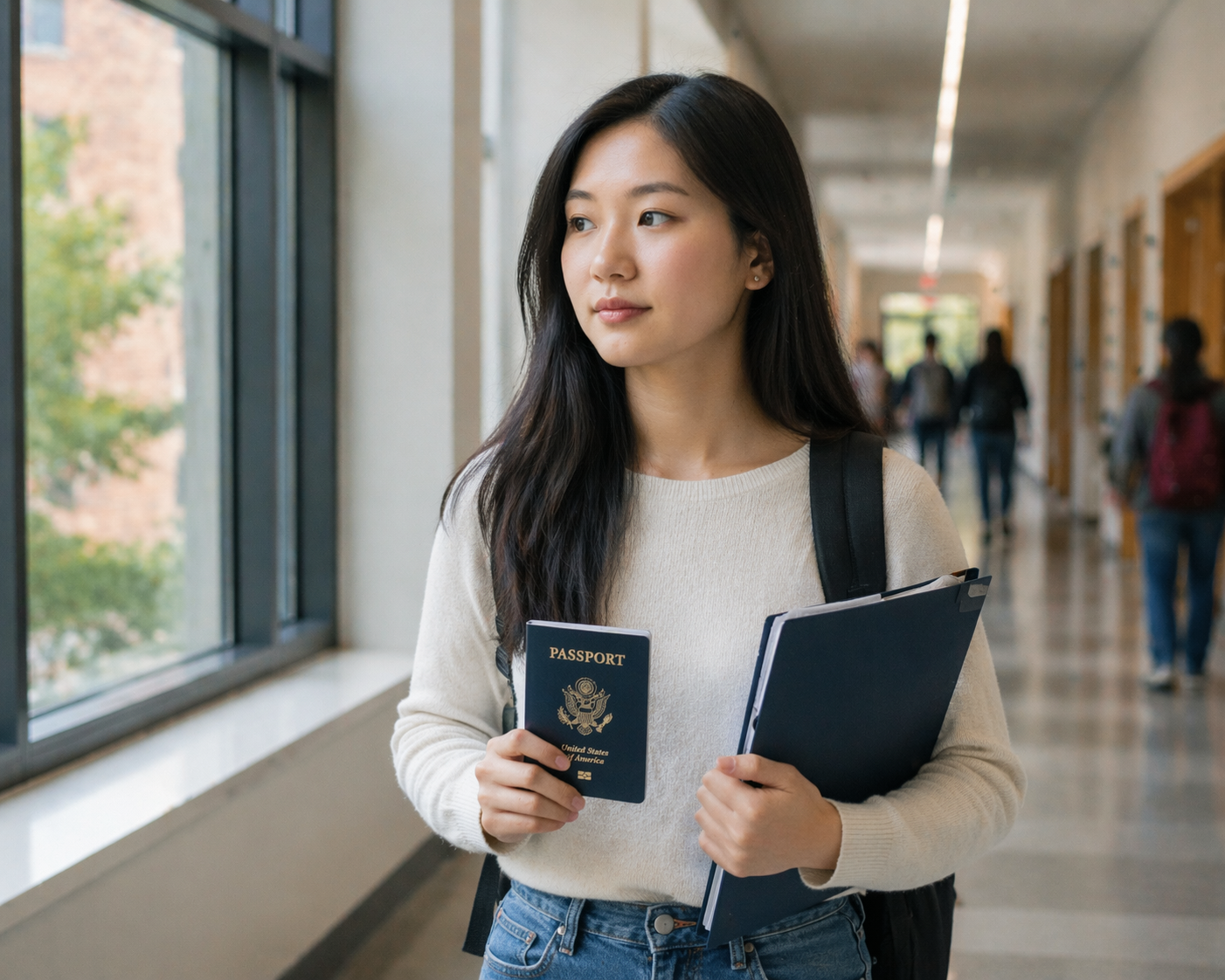
After securing admission and preparing documents, the last thing any student expects is a delay in their visa process. Yet, one overlooked area often causes problems: passport issues that can delay your visa.
Many students assume their passport is fine without checking details carefully. Small errors or overlooked requirements can lead to unexpected delays, rescheduling, or additional stress. The good news is that most of these issues are preventable with the right preparation.
Why Passport Issues That Can Delay Your Visa Are Common
Your passport is the foundation of your entire visa application. Every document, form, and appointment is linked to it.
When passport issues that can delay your visa arise, they often happen because students focus more on admission and financial documents while ignoring passport details.
Even minor inconsistencies can create confusion or require additional verification.
Top Passport Issues That Can Delay Your Visa
1. Insufficient Passport Validity
Your passport should typically be valid for at least six months beyond your intended stay.
- Short validity can lead to delays or additional requirements
- Renewal at the last minute can disrupt your timeline
2. Damaged or Worn Passport
A damaged passport may not be accepted.
- Torn pages or water damage
- Faded or unclear personal details
3. Mismatch of Personal Information
Details in your passport must match your application exactly.
- Name spelling differences
- Date of birth inconsistencies
4. Limited Blank Pages
Your passport should have enough blank pages for visa stamps.
- Lack of space can cause processing delays
5. Expired or Old Passport Used in Forms
Using outdated passport details can create confusion.
- Incorrect passport number in DS-160
- Mixing old and new passport information
Step-by-Step: How to Avoid Passport Issues That Can Delay Your Visa
1. Check Passport Validity Early
Review your passport expiry date as soon as you start your application process.
- Renew early if needed
- Avoid last-minute renewals
2. Inspect Physical Condition
Carefully check for any damage.
- Replace passport if pages are damaged
- Ensure all details are clearly visible
3. Match All Information Exactly
Your passport details should match across all documents.
- DS-160 form
- I-20 form
- Appointment booking details
4. Keep Old Passports Ready
If you have renewed your passport, keep your old one as well.
- Previous travel history may be relevant
5. Double-Check Before Submission
Before finalizing any form:
- Verify passport number
- Confirm expiry date
- Check spelling carefully
Common Mistakes Students Make
Many students face delays due to simple oversights.
- Ignoring passport expiry date until interview stage
- Submitting forms with incorrect passport details
- Not noticing minor damage in the passport
- Forgetting to carry old passports to the interview
These mistakes are avoidable with early attention and careful review.
Practical Tips to Stay Prepared
- Start early: Check passport details at the beginning of your process
- Keep copies: Maintain digital and physical copies of your passport
- Stay organized: Store all travel documents in one place
- Review multiple times: Double-check information before submissions
Preparation reduces stress and helps you stay confident throughout the process.
Final Thoughts: Small Details Matter More Than You Think
Understanding passport issues that can delay your visa can save you from unnecessary complications.
Your passport may seem like a simple document, but it plays a central role in your application. Paying attention to small details today can prevent delays tomorrow.
Stay proactive, review everything carefully, and approach your visa process with confidence and clarity.
From university selection and scholarships to F-1 visa interview preparation — expert guidance built for international students.