Visa Interview After Program Start Date? How to Avoid Gaps, I-20 Issues, and Missed Intakes

Many international students find themselves stressed when visa timelines, university start dates, and family immigration processes don’t align. If your visa interview is scheduled after your program start date, or your plans suddenly change due to relocation or deferral, it’s natural to worry about study gaps and future consequences. The good news is that these … Read more

Can’t Afford Tuition Fees in the USA as an F-1 Student? Here’s What You Can Do

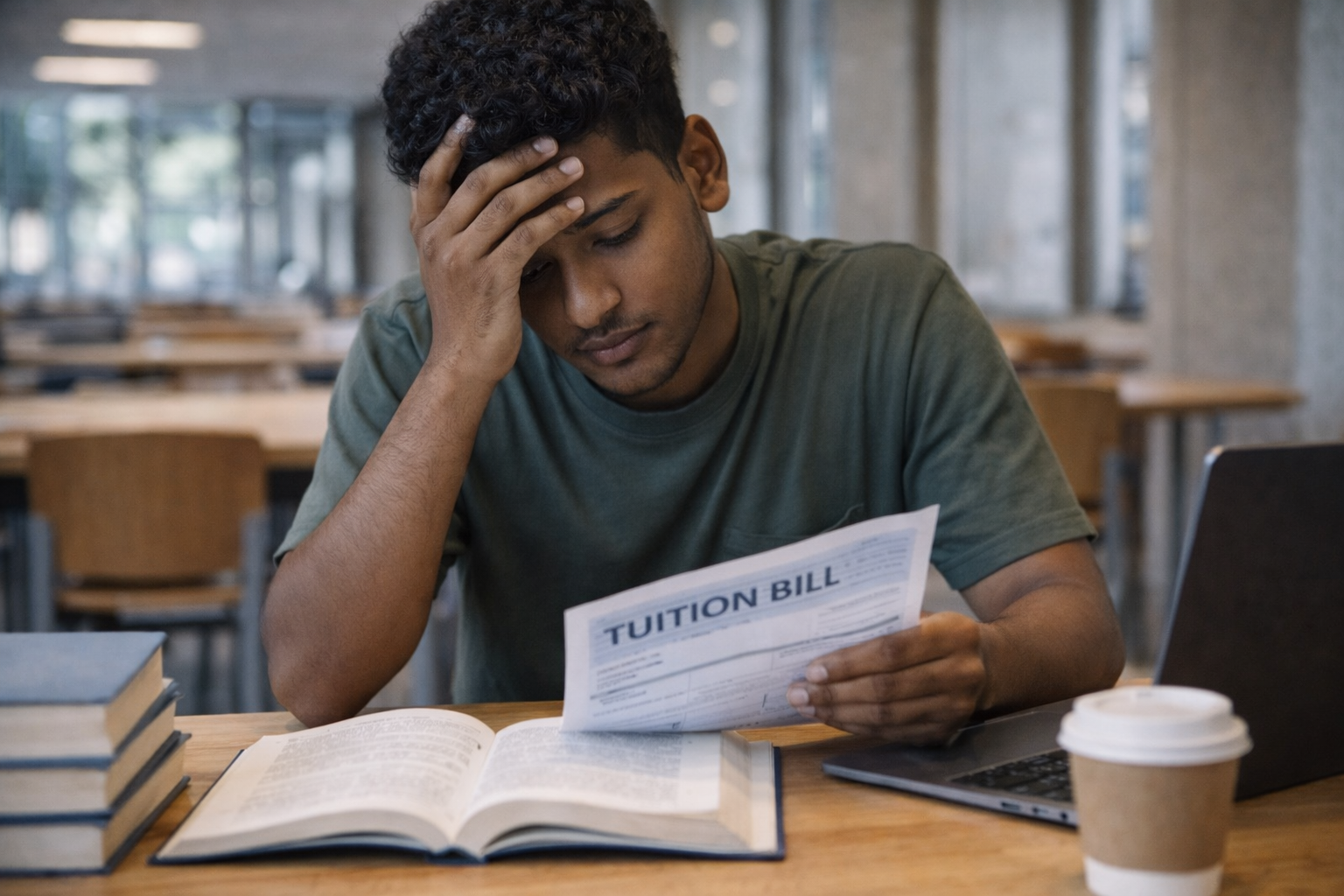
Can’t Afford Tuition Fees in the USA as an F-1 Student

“I’m in the USA, I can’t afford tuition fees, and I’m worried.” This is one of the most common problems faced by international students on an F-1 visa. If you’ve completed your first semester with a 3.87 GPA in Computer Science or Data Science, you are actually in a strong academic position — even if … Read more

F-2 Visa Explained: What It Is, What You Can and Cannot Do, and How to Prepare Confidently

The F-2 visa allows dependents of F-1 students to live in the United States during the study period. This guide explains what the F-2 visa is, who qualifies, what F-2 holders can and cannot do, how the process works, and how to prepare effectively.

High Master’s Fees in the USA? Legal & Affordable Alternatives for International Students

U.S. master’s programs can be extremely expensive—but international students do have legal, visa-compliant alternatives. Learn how to switch universities, reduce tuition, choose smarter programs, and manage costs without risking your F-1 status.

What Is Administrative Processing for U.S. Visas? Meaning, Timeline, and What to Do If Your Case Is Delayed

Administrative Processing (AP) can delay U.S. visa decisions even after a successful interview. Learn what AP means, why it happens, how long it can take, what to do—and what not to do—if your visa application is placed under 221(g).

How to Prove Strong Ties to Your Home Country for an F-1 Visa (and Show Intent to Return)

Proving strong ties to your home country is a key requirement for F-1 visa approval. Learn what “strong ties” really mean, how visa officers evaluate intent, what evidence matters, and how to prepare confident interview answers.

How to Search Colleges & Universities That Are the Right Fit for F-1 Visa Aspirants

Choosing the right U.S. university is not just about admission—it directly affects F-1 visa approval, finances, and long-term goals. This guide shows international students how to search colleges and universities strategically and visa-smart.

Sharing Social Media Links for F-1 Visa Applications: What to Share, How to Share, and Why Honesty Matters

F-1 visa applicants are often asked to disclose social media identifiers. This guide explains why social media disclosure matters, what to share, how to share it correctly, and why honesty is critical during the U.S. student visa process.

How to Handle a 214(b) Visa Refusal: What It Really Means and How to Prepare a Strong Reapplication

A 214(b) visa refusal is one of the most common outcomes for U.S. visa applicants—and also one of the most misunderstood. This guide explains what 214(b) really means, why refusals may occur beyond home ties, and how to prepare correctly before reapplying.

What Is the Technology Alert List (TAL) and How It Affects F-1 Visa Students

The Technology Alert List (TAL) plays a critical role in U.S. visa screening for students in sensitive fields like AI, cybersecurity, biotechnology, and engineering. Learn what TAL is, why it causes visa delays, and how it impacts F-1 applicants.