
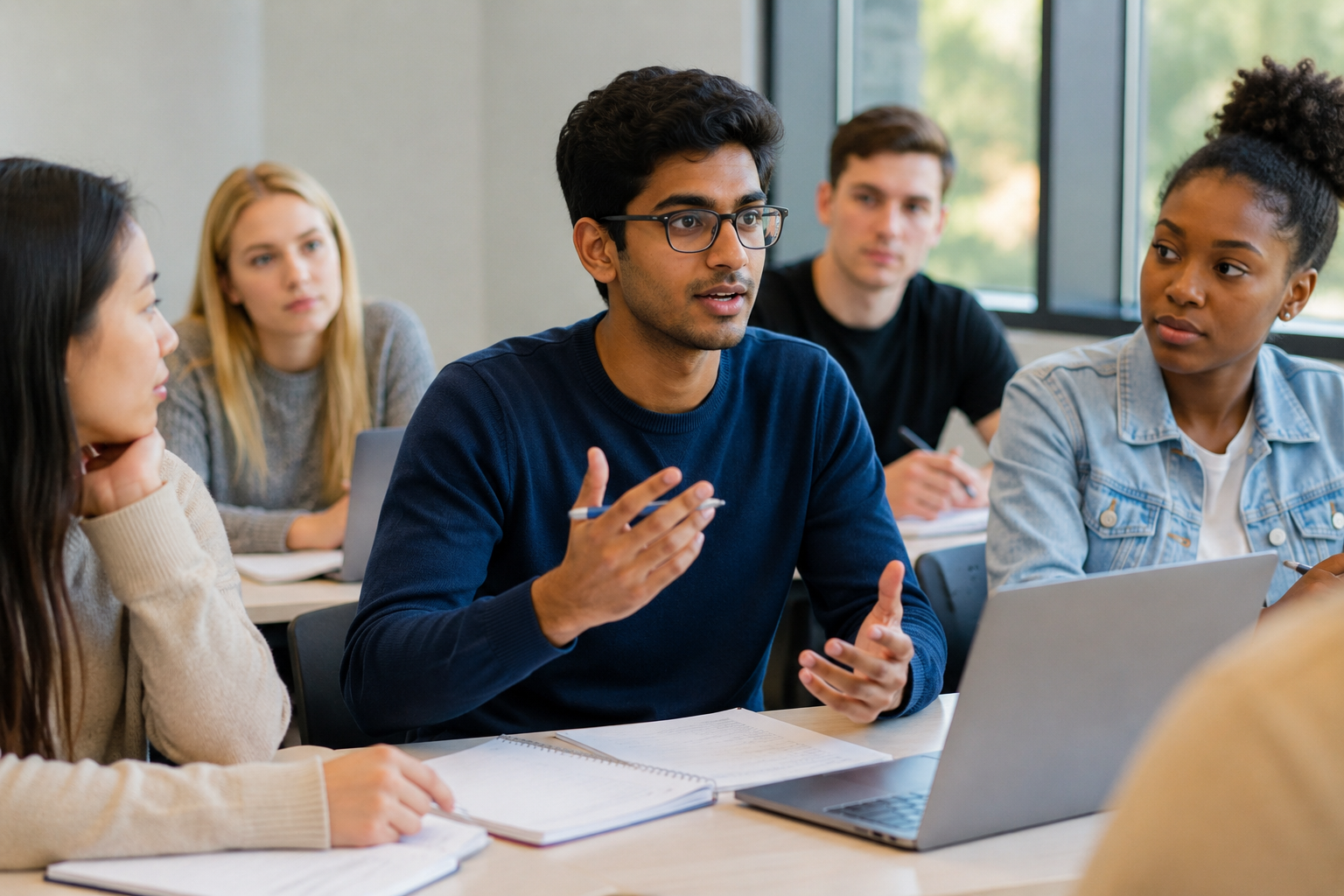
For many international students, adjusting to life in America involves more than just academics. One of the biggest surprises is realizing how U.S. classroom culture is different from South Asia. Even students with strong English skills and excellent grades can initially feel confused or overwhelmed in a new academic environment.
If you are preparing to study in the United States, understanding these classroom differences early can help you feel more confident, comfortable, and prepared.
Why U.S. Classroom Culture Is Different from South Asia
Education systems are shaped by culture, teaching styles, and student expectations. In many South Asian countries, classrooms are often more structured and teacher-centered. In the U.S., classrooms usually focus more on participation, discussion, and independent thinking.
Understanding how U.S. classroom culture is different from South Asia can reduce stress and help students adapt more smoothly during their first semester.
Class Participation Is Strongly Encouraged
One of the first things students notice is that American classrooms encourage active participation.
In Many South Asian Classrooms
- Students often listen quietly while the teacher lectures
- Interrupting or questioning teachers may feel disrespectful
- Participation may not affect grades significantly
In U.S. Classrooms
- Students are encouraged to ask questions
- Open discussions are common
- Participation may count toward your final grade
Professors usually appreciate thoughtful questions and classroom engagement.
Critical Thinking Is Often More Important Than Memorization
Another major difference is the focus on critical thinking.
In some South Asian education systems, students may spend more time memorizing concepts for exams. In the U.S., professors often expect students to:
- Analyze ideas independently
- Share personal viewpoints
- Compare arguments
- Apply concepts to real-world situations
This adjustment can take time, especially for students who are used to structured answer formats.
Communication with Professors Is More Informal
Many international students are surprised by how approachable professors can be in the U.S.
Common Differences
- Students may call professors “Professor” or sometimes by their preferred title
- Email communication is frequent and encouraged
- Office hours allow students to ask questions directly
This does not mean respect is less important. Instead, the communication style is often more open and conversational.
Group Work and Collaboration Are Common
In many U.S. universities, teamwork is part of the learning process.
You may regularly work on:
- Group presentations
- Research projects
- Class discussions
- Peer review assignments
For students who are used to mostly individual academic work, this can initially feel uncomfortable. However, collaborative learning helps students develop communication and teamwork skills.
Attendance and Time Management Matter a Lot
American universities often expect students to manage their schedules independently.
Important Expectations
- Arriving on time to class
- Meeting assignment deadlines
- Completing reading before lectures
- Participating consistently throughout the semester
Unlike systems that rely heavily on final exams, many U.S. courses use continuous assessment through quizzes, assignments, participation, and projects.
Common Challenges South Asian Students Face
Adjusting to a new classroom culture takes time. Some common challenges include:
- Fear of speaking in class
- Worry about making English mistakes
- Difficulty adjusting to discussion-based learning
- Feeling nervous during presentations
- Managing independent study schedules
These experiences are normal and very common among international students.
Practical Tips to Adapt Faster
1. Start Participating Gradually
You do not need to become highly vocal immediately. Start with small contributions during discussions.
2. Attend Office Hours
Meeting professors outside class can help you feel more comfortable asking questions.
3. Practice Academic Communication
Improve your confidence by practicing:
- Email writing
- Class discussions
- Presentation skills
4. Join Study Groups
Collaborating with classmates helps you learn classroom expectations naturally.
5. Be Patient with Yourself
Adapting to a new educational culture is a process. Confidence usually improves over time with experience.
Common Mistakes to Avoid
- Staying completely silent during the semester
- Avoiding professors because of nervousness
- Waiting until exams to study
- Ignoring group assignments
- Comparing yourself too harshly with domestic students
Remember, adjustment takes time for almost every international student.
Final Thoughts
Understanding how U.S. classroom culture is different from South Asia can make your transition smoother and less stressful.
You do not need to change your personality or become perfect overnight. Small adjustments in communication, participation, and study habits can help you succeed academically and socially.
Many international students initially feel uncertain, but over time they become more comfortable and confident in the classroom environment. With patience and preparation, you can adapt successfully and make the most of your U.S. education experience.
From university selection and scholarships to F-1 visa interview preparation — expert guidance built for international students.