
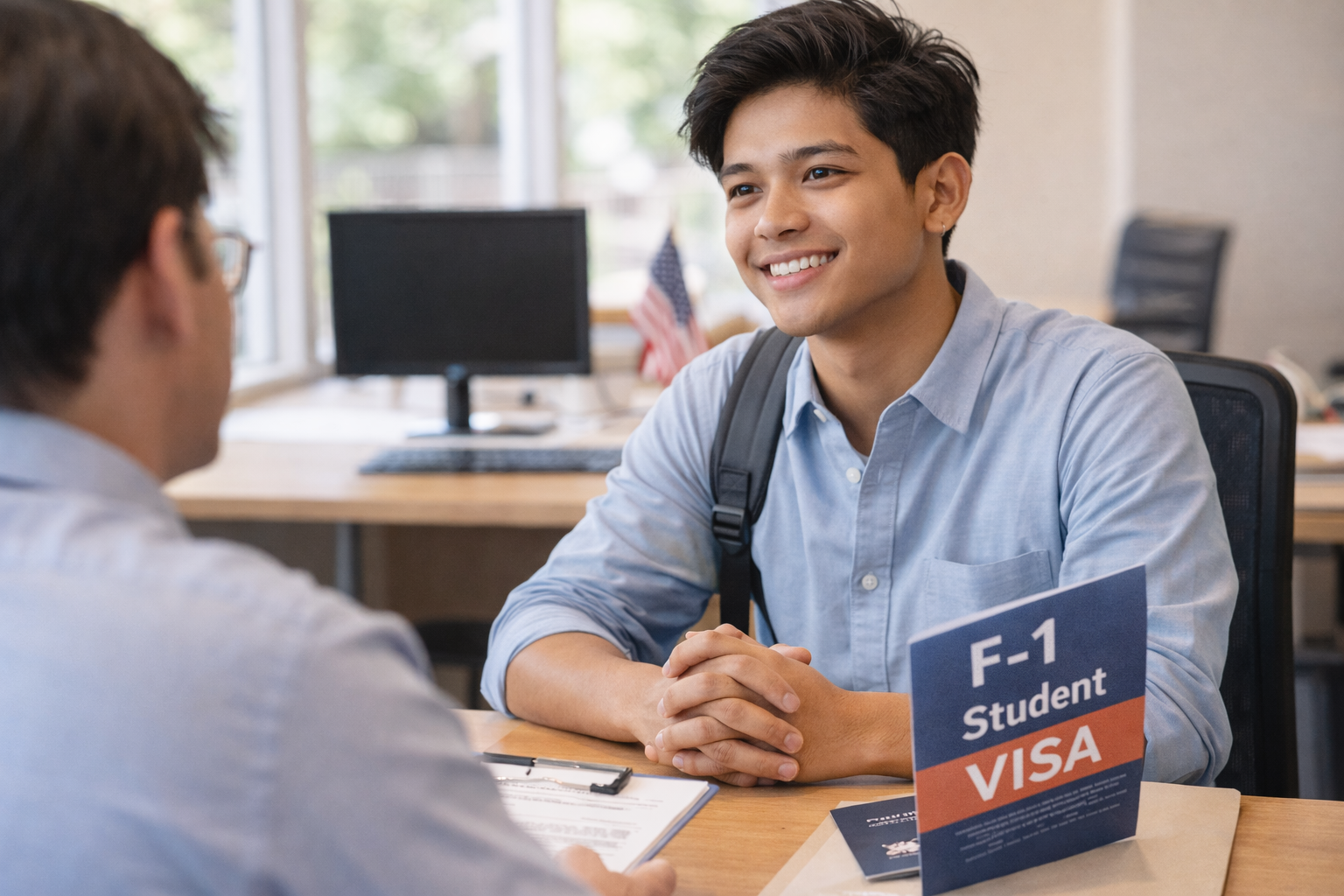
One of the most common fears international students have before a U.S. visa interview is not about documents or finances — it is about how they speak. Many students worry about their accent, grammar, or whether their English sounds “good enough.”
The truth is simple: accent is not what decides a U.S. visa interview. Understanding what actually matters can reduce anxiety and help you prepare the right way.
What the U.S. Visa Interview Is Really About
A U.S. visa interview is not an English test, a personality test, or a confidence competition.
Visa officers focus on three core things:
- Whether you clearly understand your purpose
- Whether your plan makes sense
- Whether your answers are consistent and honest
If these three things are clear, accent or minor language mistakes do not matter.
Does Accent Matter in a U.S. Visa Interview?
No — accent does not matter.
Visa officers speak with applicants from all over the world every day. They are trained to understand different accents and communication styles.
What matters is:
- Clarity, not perfection
- Understanding, not fluency
- Confidence in your own plan
You do not need to sound American. You need to sound genuine.
What Matters More Than Accent in a U.S. Visa Interview
1. Clear Purpose
You must clearly explain why you are going to the U.S.
This includes:
- Why this university
- Why this program
- How it fits your academic background
Unclear purpose creates doubt — not accent.
2. Logical Academic and Career Plan
Your answers should show a logical connection between:
- Your past education
- Your current study plan
- Your future goals
If this connection is missing, even perfect English will not help.
3. Consistency Across Answers
Visa officers listen for consistency.
Problems arise when students:
- Contradict themselves
- Change answers under pressure
- Give memorized responses that fall apart on follow-ups
Consistency builds trust.
Should You Work on Communication Skills?
Yes — but not in the way most students think.
You do not need advanced vocabulary or rehearsed speeches. You need:
- Short, direct answers
- Simple sentence structure
- Comfort explaining your own story
Being understood matters more than sounding impressive.
What Good Communication Actually Looks Like
Good communication in a visa interview means:
- Listening carefully to the question
- Answering only what is asked
- Not over-explaining
- Staying calm when asked follow-up questions
Many refusals happen because students talk too much, not because they talk too little.
Common Mistakes Students Make While Preparing
- Obsessing over accent instead of content
- Memorizing answers word-for-word
- Using complicated language unnecessarily
- Practicing without understanding why questions are asked
- Comparing themselves to others
Preparation should reduce confusion, not increase pressure.
How to Prepare the Right Way for a U.S. Visa Interview
Effective preparation focuses on structure, not fear.
Students should practice:
- Explaining their study plan in simple terms
- Answering common questions naturally
- Handling follow-ups without panic
- Keeping answers aligned with documents
Practicing realistic interview scenarios helps students respond calmly instead of reacting emotionally.
Final Reassurance
You do not fail a U.S. visa interview because of your accent.
Students struggle when they are unclear, unprepared, or inconsistent — not because they speak English differently.
Focus on understanding your own plan, communicating it simply, and staying honest. That is what matters most.
From university selection and scholarships to F-1 visa interview preparation — expert guidance built for international students.