
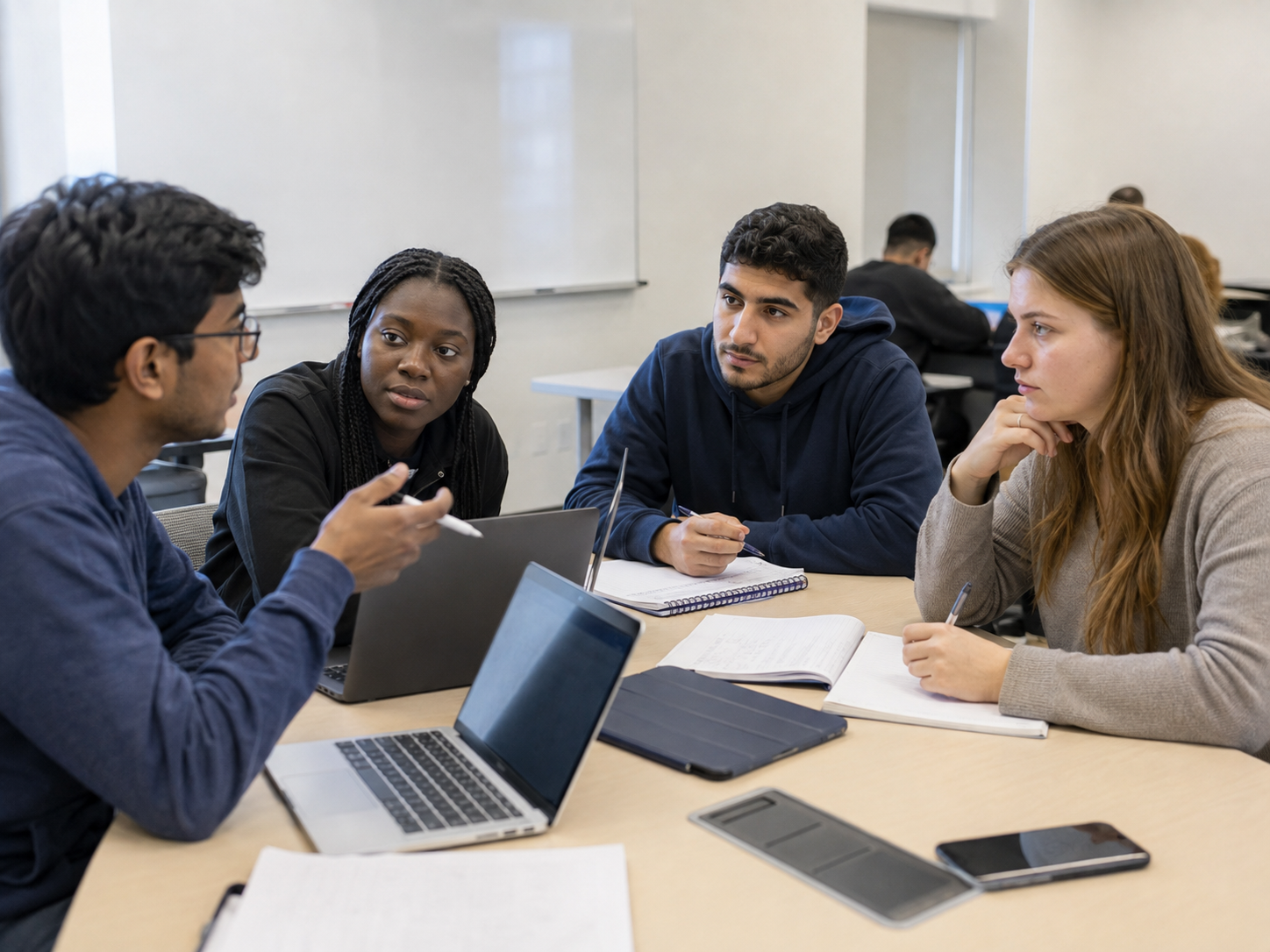
Building a strong research background can feel intimidating, especially when you see other students discussing publications, laboratory experience, conferences, or advanced projects. The good news is that learning how to build a competitive research profile is not about collecting impressive achievements as quickly as possible. It is about showing consistent curiosity, developing useful research skills, working seriously on meaningful questions, and demonstrating academic growth over time. Whether you are preparing for a master’s degree, PhD application, research internship, or future academic career, a thoughtful research profile can help you present yourself as a more prepared and focused applicant.
What Makes a Competitive Research Profile?
A competitive research profile shows that you understand how academic research works and have begun developing the skills needed to contribute to it. Admissions committees may consider different factors depending on the field and program, so there is no single formula that every successful applicant must follow.
A strong profile may include:
- Research projects completed with faculty members
- Independent research or a thesis
- Laboratory, fieldwork, or data-analysis experience
- Strong research-related coursework
- Conference posters or presentations
- Research assistant experience
- Technical, analytical, or methodological skills
- Academic writing experience
- Strong relationships with research mentors
- Evidence of sustained interest in a particular research area
Publications can strengthen a research profile, but they are not the only way to demonstrate research readiness. The quality of your experience, your understanding of the work, and your ability to explain what you learned can also be important.
How to Build a Competitive Research Profile Step by Step
1. Identify Your Research Interests
You do not need to know your exact dissertation topic years in advance. However, having a general area of interest makes it easier to choose courses, professors, projects, and opportunities that build toward a coherent academic direction.
Start by asking yourself:
- Which subjects do I enjoy studying deeply?
- Which academic questions keep attracting my attention?
- Which problems would I like to understand better?
- Which research methods interest me?
Your interests may change as you gain experience. That is normal. The goal is to begin exploring deliberately rather than participating in unrelated activities simply to increase the number of items on your resume.
2. Take Research-Oriented Courses Seriously
Courses in statistics, research methods, academic writing, laboratory techniques, programming, data analysis, or discipline-specific methodologies can create an important foundation.
Try to understand how researchers develop questions, collect evidence, evaluate sources, analyze results, and communicate findings. These skills often become more valuable when you begin working on real research projects.
3. Approach Professors for Research Opportunities
Faculty members can be an important starting point for students seeking research experience. Before contacting a professor, read their faculty profile and learn about their current research interests.
A good introductory message should be concise. Explain who you are, what you have studied, which part of their research interests you, and what type of opportunity you are seeking.
Avoid sending the same generic message to many professors. A personalized request demonstrates that you have taken time to understand their work.
4. Start Small if Necessary
Your first research role may not involve designing an entire study. You might begin by organizing data, reviewing literature, preparing samples, assisting with surveys, writing code, conducting background research, or supporting laboratory procedures.
These tasks can teach you how real research teams operate. Reliability matters. Completing small responsibilities carefully can lead to greater responsibility later.
5. Develop Technical and Analytical Skills
Research skills vary widely across disciplines. A student in computer science may need programming and machine-learning skills, while someone in biology may need laboratory techniques. Social science students may benefit from statistical analysis, survey design, interviewing, or qualitative research methods.
Identify the tools commonly used in your area and gradually develop competence. Do not list a technical skill on your CV unless you can discuss how you have actually used it.
6. Keep Records of Your Research Work
As your experience grows, maintain a simple research portfolio. Record the project title, supervisor, dates, research question, methods, your specific responsibilities, skills developed, and any resulting presentations or outputs.
This record can later help when writing your CV, statement of purpose, scholarship application, or preparing for graduate school interviews.
How to Strengthen a Competitive Research Profile Without Publications
Many students worry that they cannot be competitive without published papers. Instead of focusing only on publication counts, concentrate on developing evidence that you understand research and can contribute responsibly.
You may strengthen your profile through:
- A strong undergraduate or master’s thesis
- Research assistantships
- Independent projects supervised by faculty
- Poster presentations
- Student research conferences
- Capstone projects
- Research internships
- Systematic literature reviews
- Data-analysis projects
- Open-source or technical research contributions
When describing these experiences, explain your contribution clearly. Admissions readers should be able to understand what you personally did rather than only what the research team accomplished.
Build Strong Relationships With Research Mentors
A research mentor can teach you far more than technical skills. Good mentorship may help you understand research ethics, academic communication, project planning, collaboration, and graduate study expectations.
Be dependable. Attend meetings prepared, meet agreed deadlines, ask thoughtful questions, and communicate when you encounter difficulties.
Over time, a professor who has observed your research abilities may also be able to write a more detailed recommendation letter because they have seen how you approach academic problems.
Common Mistakes When Building a Research Profile
- Chasing quantity: Ten unrelated projects may create a less coherent story than a few meaningful experiences.
- Joining projects only for publications: Focus on learning and contribution rather than treating authorship as the only goal.
- Exaggerating your contribution: Clearly distinguish your own work from the work of the broader team.
- Ignoring foundational skills: Advanced projects become difficult without strong academic and methodological basics.
- Waiting too long to seek mentors: Building research relationships takes time.
- Failing to document your work: Students often forget useful project details when preparing applications later.
- Choosing every opportunity randomly: Look for experiences that gradually develop a clear research direction.
Practical Advice for International Students
International students sometimes compare themselves with applicants from educational systems that provide different levels of undergraduate research access. Focus on making effective use of the opportunities available to you.
If formal research positions are limited, consider a faculty-supervised independent project, thesis, literature review, data project, academic competition, or research-focused coursework. You can also strengthen skills that prepare you for future research opportunities.
When preparing graduate applications, provide enough context for readers to understand your experience. Explain the problem you worked on, the methods you used, your individual responsibilities, what you learned, and how the experience influenced your future research interests.
How to Present Your Research Profile in Graduate Applications
Your CV should summarize research experience clearly, while your statement of purpose should explain its meaning. Do not simply repeat project titles from your resume.
Instead, connect your experiences into a progression:
- What initially interested you in the research area?
- What research experience did you gain?
- Which methods or skills did you develop?
- What questions became more interesting to you?
- Why does the graduate program fit your next stage?
This creates a much stronger academic narrative than presenting research activities as disconnected achievements.
Conclusion
Learning how to build a competitive research profile takes time. You do not need to begin with publications, prestigious laboratories, or major discoveries. Start by developing genuine academic interests, learning research methods, finding mentors, completing responsibilities carefully, and gradually taking on more challenging work.
A strong research profile reflects progress, curiosity, reliability, and growing independence. Concentrate on becoming a better researcher rather than simply appearing impressive on paper. When your experiences form a clear academic story and you can explain what you contributed and learned, your graduate application can communicate your research readiness much more effectively.
From university selection and scholarships to F-1 visa interview preparation — expert guidance built for international students.