
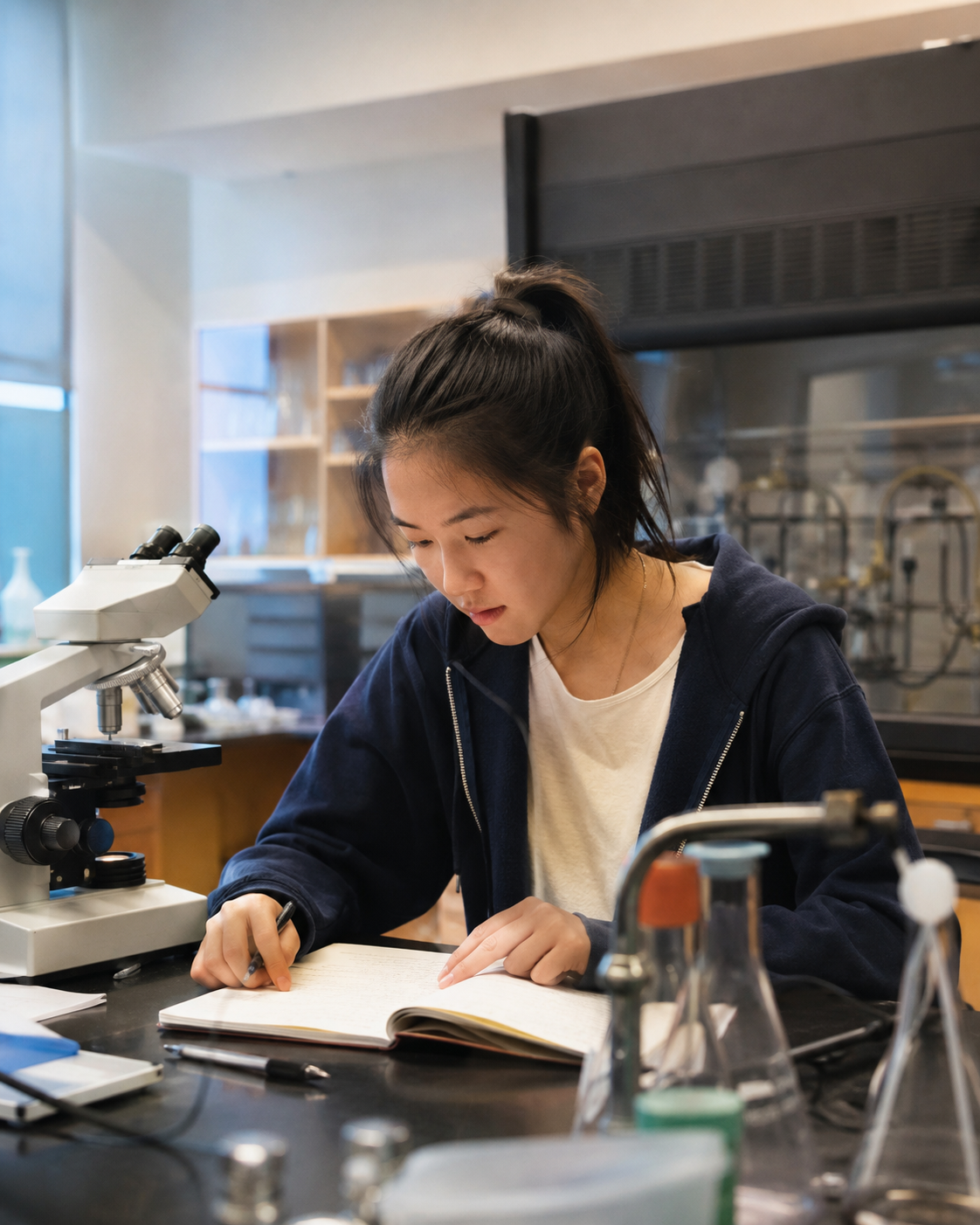
Finding research opportunities before graduate school can feel confusing, especially if you are an international student trying to build a strong academic profile in a new education system. You may hear classmates talking about research labs, professors, publications, assistantships, and conference posters, but no one clearly explains where to begin. The truth is simple: you do not need to be perfect to start research. You need curiosity, preparation, consistency, and a clear plan for approaching the right people and opportunities.
Why Finding Research Opportunities Before Graduate School Matters
Graduate schools often look beyond grades and test scores. For research-based master’s and PhD programs, admissions committees may want to see whether you understand academic inquiry, can work independently, and are ready to contribute to a research environment. Research experience can help you show these qualities in a practical way.
Research experience may help you:
- Understand whether graduate school is truly the right path for you.
- Build relationships with professors and research mentors.
- Develop stronger academic writing, analysis, and problem-solving skills.
- Create a more focused statement of purpose.
- Strengthen your academic CV or resume.
- Prepare for interviews, thesis work, or future assistantship opportunities.
For international students, research can also help connect your past academic background with your future goals. Instead of only saying that you are interested in a field, you can show that you have already taken steps to explore it seriously.
Finding Research Opportunities Before Graduate School: Where to Start
The first step is to understand that research opportunities can appear in different forms. Some are formal programs with applications and deadlines. Others are informal opportunities created when a professor allows a motivated student to assist with a project.
Common types of research opportunities include:
- Research assistant roles with professors.
- Undergraduate research programs.
- Summer research internships.
- Independent study or thesis projects.
- Lab volunteer positions.
- Data collection or literature review projects.
- Conference poster or presentation opportunities.
If you are currently studying in the United States on F-1 status, speak with your Designated School Official before accepting any paid or unpaid role that may be considered employment, especially if the opportunity is off campus. Research connected to your school, department, or campus may be handled differently from external research work, so it is important to confirm the correct process before starting.
Step-by-Step Plan for Finding Research Opportunities Before Graduate School
1. Choose a Focus Area
Do not start by emailing every professor in your department. First, choose a focused area that connects to your academic interests. For example, instead of saying “I want to do research in business,” narrow it to consumer behavior, fintech adoption, supply chain risk, entrepreneurship, or data analytics.
A clear focus helps you find better mentors and write stronger emails.
2. Read Faculty Profiles Carefully
Visit your university department website and read faculty research pages. Look for professors whose work connects with your goals. Pay attention to their research topics, recent publications, lab pages, student projects, and course areas.
Create a simple list with these columns:
- Professor name
- Research area
- Why their work interests you
- One article, project, or lab topic you reviewed
- Possible way you could contribute
3. Prepare a Simple Academic CV
Before contacting professors, prepare a clean one-page academic CV. It does not need to be perfect. Include your degree, GPA if strong, relevant coursework, class projects, technical skills, writing skills, software tools, languages, and any previous research or internship experience.
If you have no research experience yet, include academic projects that show effort. A strong class paper, coding project, literature review, lab report, or data analysis assignment can still demonstrate potential.
4. Write a Short, Specific Professor Email
Your email should be respectful, brief, and specific. Avoid sending a general message that looks copied and pasted. Professors are more likely to respond when they can see that you understand their work.
Your email should include:
- Who you are and what you are studying.
- Why their research interests you.
- One specific project, paper, or topic you reviewed.
- What skills or effort you can offer.
- A polite request for a short meeting or guidance.
Keep the tone humble. You are not asking for a guaranteed position. You are asking for the opportunity to learn and contribute.
5. Use Official Research Programs
Many universities have undergraduate research offices, honors programs, summer research programs, and faculty-student research portals. Some national programs also support undergraduate research in specific fields.
For STEM students, the National Science Foundation Research Experiences for Undergraduates program is one example of a structured research pathway. Students should always check eligibility, citizenship rules, funding conditions, deadlines, and F-1 employment questions before applying or accepting an opportunity.
6. Start Small and Build Trust
Your first research task may not be glamorous. You may begin by organizing sources, cleaning data, reading articles, preparing summaries, or helping with a literature review. These small tasks matter because they show reliability.
Professors and graduate students often value students who communicate clearly, meet deadlines, follow instructions, and ask thoughtful questions. Over time, small tasks can lead to bigger responsibilities.
Common Mistakes to Avoid
Many students lose opportunities because they rush the process or approach professors without preparation. Avoid these common mistakes:
- Sending the same email to many professors: Generic emails are easy to ignore.
- Asking for research without knowing the professor’s work: Read at least one project page or paper summary first.
- Waiting until final year: Research takes time to develop, so start early if possible.
- Only looking for paid roles: Some learning opportunities may begin as credit-based, volunteer, or course-based research, depending on school policy.
- Ignoring F-1 rules: Always confirm employment and authorization questions with your DSO before starting paid or off-campus research work.
- Expecting publication quickly: Publications are valuable, but skills, mentorship, and strong recommendation letters also matter.
Practical Advice for International Students
If you feel nervous, remember that many students begin with no research background. The goal is not to pretend you already know everything. The goal is to show that you are serious, teachable, and consistent.
Use this practical checklist:
- Review your department website once a week for research updates.
- Attend faculty talks, seminars, workshops, and poster sessions.
- Ask teaching assistants if their labs need help.
- Visit your writing center to improve academic writing.
- Build skills in citation tools, Excel, SPSS, R, Python, qualitative coding, or lab methods depending on your field.
- Keep a research journal documenting what you read, learn, and contribute.
- Request feedback from mentors and use it to improve.
You should also think about how research connects with your future graduate school application. A good research experience can help you explain your academic interests more clearly, choose better graduate programs, and ask for stronger recommendation letters from people who have seen your work closely.
How Research Helps Your Graduate School Story
Graduate schools want students who understand why they are applying. Research experience helps you move from a vague goal to a clear academic direction.
Instead of saying, “I want to study public health because it is important,” you may be able to say, “After assisting with a project on community health access, I became interested in health policy and data-driven interventions.” That type of explanation is more specific, more mature, and easier for admissions committees to understand.
Your research journey does not need to be perfect. Even one meaningful project can help you show growth, curiosity, and readiness for advanced study.
Final Thoughts: Start Before You Feel Ready
Finding research opportunities before graduate school is not only about building a resume. It is about discovering your academic direction, learning how scholars think, and building confidence before you enter a more advanced program.
Start with one professor profile, one email, one seminar, or one small project. If the first attempt does not work, keep improving your approach. Research opportunities often come to students who are prepared, patient, and respectful in how they ask.
For international students, the safest path is to combine ambition with careful planning. Build your skills, communicate professionally, follow university rules, speak with your DSO when employment questions arise, and choose research experiences that support your long-term academic and career goals.
From university selection and scholarships to F-1 visa interview preparation — expert guidance built for international students.