
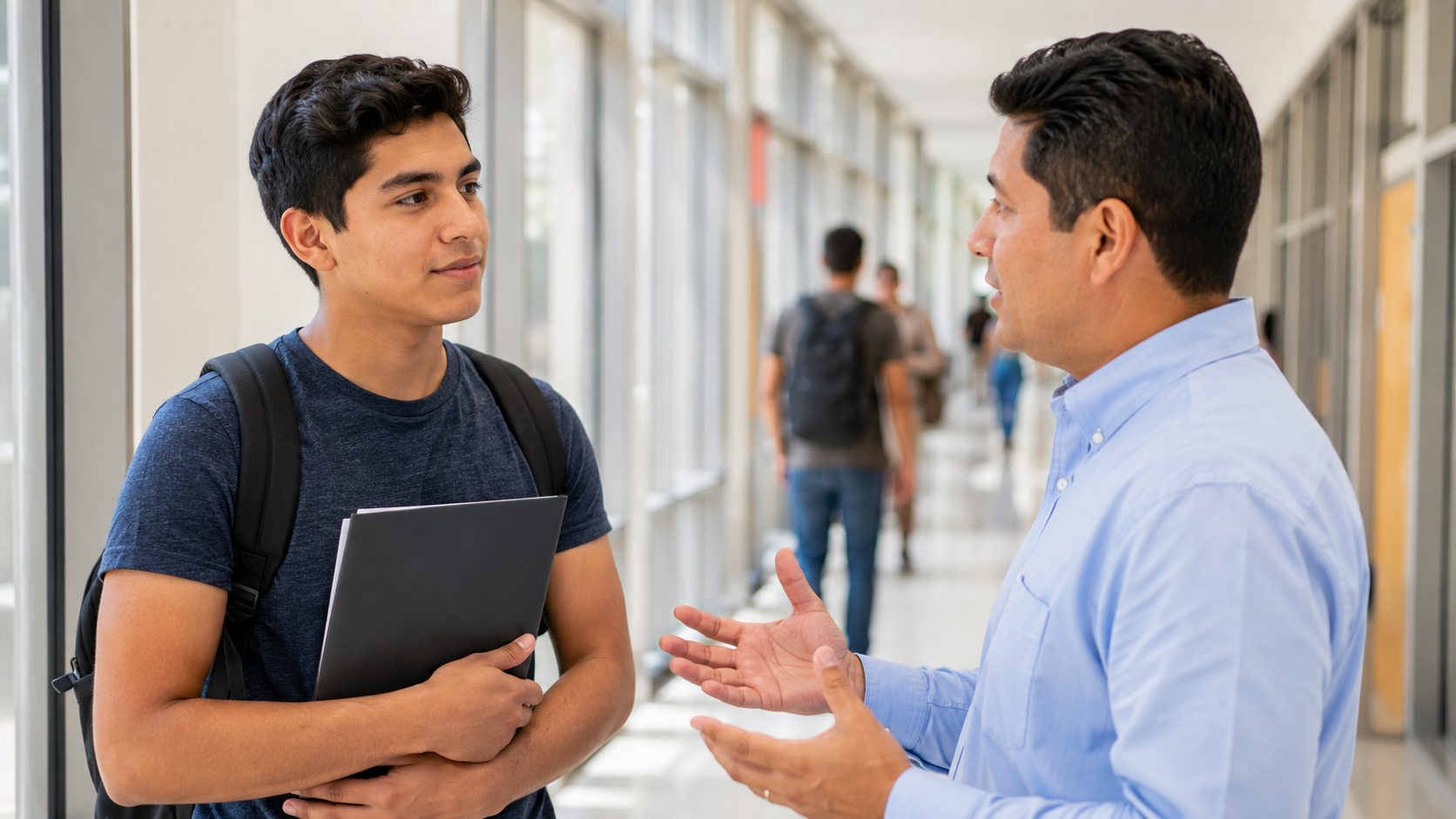
Finishing your bachelor’s degree is a major achievement. But if you plan to continue studying in the United States, you may be wondering how changing degree level from bachelor’s to master’s works as an F-1 student. Do you need a new Form I-20? Should you contact your university before graduation? What happens if you plan to attend a different school?
The process may feel confusing, especially when you are also managing graduate school applications, final exams, finances, and housing. The good news is that many international students move from a bachelor’s program to a master’s program. The key is to plan early, communicate with your Designated School Official, commonly called a DSO, and keep your documents organized.
What Does Changing Degree Level from Bachelor’s to Master’s Mean?
Changing your degree level means that you are completing one academic program and starting a new program at a higher education level. For example, you may finish a Bachelor of Science degree and begin a Master of Science degree.
For an F-1 student, this is not only an academic decision. Your SEVIS record and Form I-20 should accurately reflect your new program information. If you are moving to a master’s program at the same school and campus, your DSO may use the change education level process and issue a new Form I-20 for the graduate program.
If you will attend a different university, the process may involve transferring your SEVIS record to the new school instead. Your DSO can explain which process applies to your situation.
Changing Degree Level from Bachelor’s to Master’s at the Same University
If you are continuing at the same university, start by contacting your international student office. Do not assume that your record will update automatically after you receive admission to the master’s program.
Your university may ask for:
- Your graduate program admission letter.
- Updated financial documents.
- Your expected bachelor’s degree completion date.
- Information about the new academic program.
- Any internal university request forms.
Your DSO can review the documents and explain the next steps. If the change education level process is appropriate, the DSO may update your SEVIS record and issue a new Form I-20 showing your master’s program details.
What If Your Master’s Program Is at a Different University?
If your master’s program is at another university, you should speak with the international student offices at both schools. Your current university may need to transfer your SEVIS record to the new school after you complete your bachelor’s program.
Ask your current DSO:
- When should I request the SEVIS transfer?
- What transfer release date should I choose?
- What documents do you need from my new university?
- When will the new school issue my updated Form I-20?
- Will travel plans affect the timing?
Every school has its own internal procedures, so do not wait until the last minute. Start the conversation as soon as you accept your graduate school offer.
Step-by-Step Checklist for Changing Degree Level
1. Apply for Your Master’s Program Early
Graduate school admission can take time. Review application deadlines, test requirements, tuition costs, and funding options before your final undergraduate semester becomes too busy.
2. Confirm Your Admission
Once admitted, read the offer carefully. Confirm the program name, campus location, start date, estimated cost, and any conditions listed in your admission letter.
3. Contact Your DSO
Tell your DSO that you plan to move from a bachelor’s degree to a master’s degree. Ask whether your situation requires a change education level update or a SEVIS transfer.
4. Submit Financial Documents
Your graduate program may require updated proof of funding before the school issues a new Form I-20. Check whether your sponsor, scholarship, personal funds, or assistantship documents meet the school’s requirements.
5. Review Your New Form I-20
When you receive your updated Form I-20, check the details carefully:
- Your name and date of birth.
- Your SEVIS ID.
- Your school and campus information.
- Your master’s degree program name.
- Your new program start and end dates.
- Your estimated expenses and funding details.
If anything looks incorrect, contact your DSO promptly.
6. Keep Copies of Every Document
Store digital and printed copies of your old and new Forms I-20, admission letter, funding documents, advisor emails, and SEVIS-related records. Organized documents can make future travel, employment planning, and university requests easier to manage.
How Changing Degree Level May Affect OPT Planning
Optional Practical Training, commonly called OPT, is an important consideration when moving from a bachelor’s degree to a master’s degree. Eligible F-1 students may receive practical training authorization connected to their education level and major area of study.
Your decision may depend on your goals. Some students want to use post-completion OPT after the bachelor’s degree before beginning graduate school. Others prefer to start the master’s program directly and explore practical training options connected to the graduate degree later.
Timing matters because beginning a new academic program or transferring to another school may affect an existing OPT authorization. Before making a decision, discuss your study timeline and employment plans with your DSO. Avoid relying only on advice from friends or social media posts.
Common Mistakes to Avoid
Mistake 1: Waiting Until Graduation Day
Do not wait until your bachelor’s degree is finished before asking questions. Graduate admission, financial documents, SEVIS updates, and Form I-20 processing may take time.
Mistake 2: Assuming Admission Automatically Updates SEVIS
Receiving an admission letter does not mean your international student record has already been updated. Contact your DSO and follow your school’s process.
Mistake 3: Confusing a Degree-Level Change with a School Transfer
Moving to a master’s program at the same school and campus may be handled differently from joining a new university. Ask your DSO which process applies.
Mistake 4: Ignoring Financial Planning
Graduate tuition, living expenses, assistantships, and scholarships may differ from your undergraduate costs. Review your budget before committing to the program.
Mistake 5: Making OPT Decisions Without Guidance
OPT planning can become more complicated when your program level changes. Speak with your DSO before making decisions about employment, program start dates, or school transfers.
Practical Advice for a Smooth Transition
Create a simple folder called “Master’s Transition” and keep all important documents inside it. Add your admission letter, Form I-20 copies, financial evidence, graduation timeline, housing notes, and emails from your international student office.
You should also create a basic timeline:
- Graduate program application deadline.
- Admission decision date.
- Bachelor’s completion date.
- Deadline for submitting financial documents.
- Date to contact your DSO.
- Master’s program start date.
- Planned travel dates, if applicable.
A clear timeline reduces stress and helps you avoid rushed decisions during your final semester.
Final Thoughts: Plan Your Bachelor’s-to-Master’s Transition Early
Changing degree level from bachelor’s to master’s can be an exciting next step in your academic journey. The process is manageable when you plan ahead, communicate clearly, and keep your documents updated.
Start by confirming your graduate admission, speaking with your DSO, reviewing your financial documents, and checking your new Form I-20 carefully. If you are changing universities, ask about the SEVIS transfer process. If OPT is part of your plan, discuss the timing before making commitments.
You do not need to figure everything out alone. Your university’s international student office is there to help you understand the process and complete the required steps.
This content is for educational guidance only and does not provide legal advice. Individual situations can vary by student, school, program, and timing. Always speak with your DSO or qualified professional support for guidance specific to your circumstances.
From university selection and scholarships to F-1 visa interview preparation — expert guidance built for international students.