
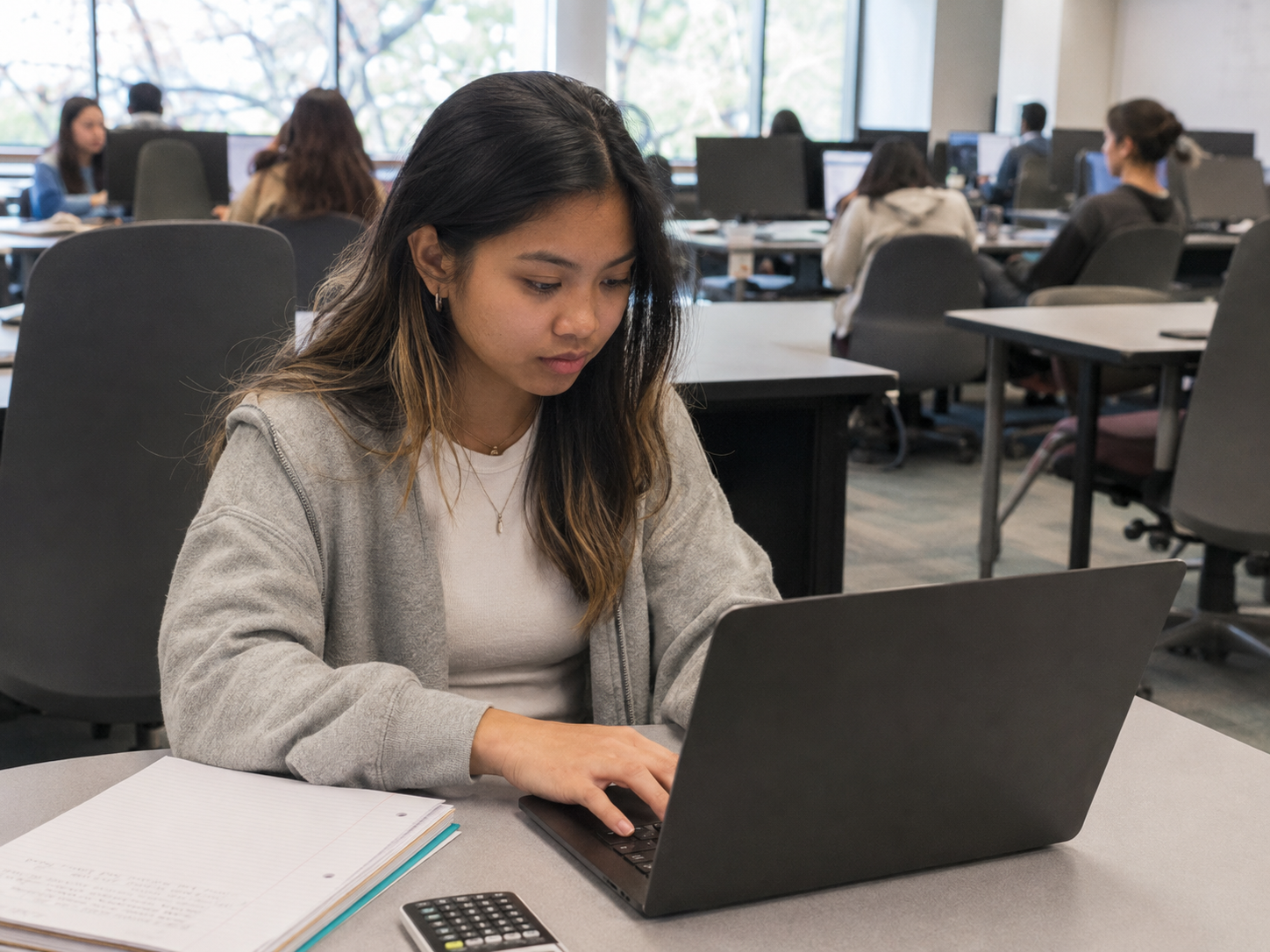
Moving to the United States for college is exciting, but managing money in a new country can feel stressful. Many students worry about tuition, rent, food, transportation, and daily expenses. The good news is that simple budgeting tips for international students can make a big difference. You do not need to be a financial expert. You only need a clear plan, realistic spending habits, and a little discipline each month.
A good budget can help you avoid unnecessary stress, reduce last-minute financial problems, and enjoy your student experience with more confidence. This guide explains practical steps you can use to manage your money while studying in the U.S.
Why Budgeting Tips for International Students Matter
International students often face expenses that local students may not think about. In addition to tuition and housing, you may need to pay for health insurance, transportation, textbooks, phone plans, winter clothing, visa-related travel, and emergency costs.
Without a budget, small expenses can quickly add up. Coffee, food delivery, rideshare trips, subscriptions, and weekend outings may seem affordable individually, but they can become expensive over time.
A student budget helps you:
- Understand where your money goes each month.
- Plan for important bills before they are due.
- Avoid overspending on unnecessary items.
- Build an emergency fund for unexpected situations.
- Make better decisions about housing, food, and transportation.
Start With a Simple International Student Budget
The first step is to list your income and expenses. You can use a spreadsheet, notebook, budgeting app, or a simple document on your phone. The method does not need to be complicated. It only needs to be easy enough for you to update regularly.
List Your Available Money
Write down the money you expect to use during the semester. This may include:
- Family support.
- Savings.
- Scholarships or assistantships.
- Approved on-campus employment income.
- Any other reliable financial support.
Be realistic. Do not include money unless you are confident it will be available.
List Your Fixed Monthly Expenses
Fixed expenses are costs that usually stay the same each month. These may include:
- Rent and utilities.
- Health insurance.
- Phone bill.
- Internet cost.
- Transportation pass.
- Monthly subscriptions.
Estimate Your Flexible Expenses
Flexible expenses can change depending on your choices. These often include:
- Groceries.
- Eating out.
- Entertainment.
- Clothing.
- Personal care items.
- Local travel.
Tracking these costs for one month can help you create a more accurate budget.
Budgeting Tips for International Students to Save on Housing
Housing is often one of the biggest expenses for students. Before choosing an apartment, compare the full monthly cost, not only the rent amount.
Ask these questions:
- Are utilities included?
- Is the apartment close to campus?
- Will you need public transportation or rideshare services?
- Can you share the apartment with roommates?
- Is furniture included?
- Are there extra fees for laundry, parking, or maintenance?
Living with roommates can reduce costs, but choose carefully. Discuss rent, groceries, cleaning, visitors, and utility bills before moving in together.
Save Money on Food Without Sacrificing Your Health
Food delivery and frequent restaurant meals can quickly increase your monthly expenses. Learning a few simple meals can save money and help you eat better.
Try these habits:
- Plan meals before grocery shopping.
- Buy basic ingredients that can be used in multiple dishes.
- Cook larger portions and save leftovers.
- Compare grocery store prices.
- Use student discounts when available.
- Limit food delivery to occasional treats.
It is also helpful to carry snacks, a refillable water bottle, or a homemade lunch when you have long campus days.
Control Transportation Costs
Transportation expenses depend on your city and campus location. Some students can walk or bike to class, while others need buses, trains, or rideshare services.
Before spending money on frequent rideshare trips, explore lower-cost options:
- Campus shuttles.
- Student public transportation passes.
- Walking or biking when safe and practical.
- Carpooling with classmates.
- Combining errands into one trip.
A slightly higher rent near campus may sometimes save money if it reduces transportation costs significantly.
Be Careful With Small Daily Expenses
Small purchases are easy to ignore, but they can become a major part of your budget. A few dollars spent every day can turn into a large monthly amount.
Watch your spending on:
- Coffee and snacks.
- Food delivery fees.
- Streaming subscriptions.
- Impulse shopping.
- Unused gym memberships.
- Frequent rideshare trips.
You do not need to stop enjoying your life. Instead, choose a weekly spending limit for fun activities and stick to it.
Build an Emergency Fund
Unexpected expenses can happen at any time. You may need money for medical costs, urgent travel, laptop repairs, moving expenses, or academic supplies.
Try to set aside a small amount each month. Even a modest emergency fund can reduce stress. Start with a realistic goal, such as saving enough to cover one urgent expense. You can increase the amount gradually.
Common Budgeting Mistakes International Students Should Avoid
Mistake 1: Ignoring One-Time Expenses
Some costs do not appear every month, but they still matter. Textbooks, winter clothing, travel, deposits, and school supplies should be included in your semester plan.
Mistake 2: Depending Too Much on Credit Cards
Credit cards can be useful, but they can also lead to debt if you spend more than you can repay. Use them carefully and understand the payment terms.
Mistake 3: Forgetting Currency Exchange Changes
If your family sends money from another country, exchange rates may affect the amount you receive. Leave some room in your budget for changes.
Mistake 4: Spending Too Much at the Beginning of the Semester
It can be tempting to buy everything immediately after arrival. Start with essential items and wait before purchasing non-urgent items.
Mistake 5: Not Reviewing Your Budget
A budget is not useful if you never check it. Review your expenses every week or at least once a month.
Practical Advice for Managing Your Student Expenses
Good budgeting is not about making your life uncomfortable. It is about spending intentionally. Use these simple habits:
- Set a weekly spending limit.
- Track purchases using a budgeting app or spreadsheet.
- Ask about student discounts before paying.
- Buy used textbooks when appropriate.
- Avoid unnecessary subscriptions.
- Compare prices before making large purchases.
- Keep some money available for emergencies.
- Review your budget at the end of each month.
You can also separate your money into categories, such as rent, groceries, transportation, personal expenses, and savings. This makes it easier to see when you are spending too much in one area.
Final Thoughts: A Simple Budget Can Make Student Life Easier
Managing money in a new country may feel difficult at first, but it becomes easier with practice. The most helpful budgeting tips for international students are simple: understand your expenses, track your spending, reduce unnecessary costs, and prepare for emergencies.
You do not need a perfect budget from the first day. Start with a basic plan and adjust it as you learn more about your lifestyle, your city, and your campus. Small changes can help you feel more confident, reduce financial stress, and focus on your education.
This content is for educational guidance only. Financial situations can vary depending on each student’s location, university, lifestyle, and personal circumstances.
From university selection and scholarships to F-1 visa interview preparation — expert guidance built for international students.