
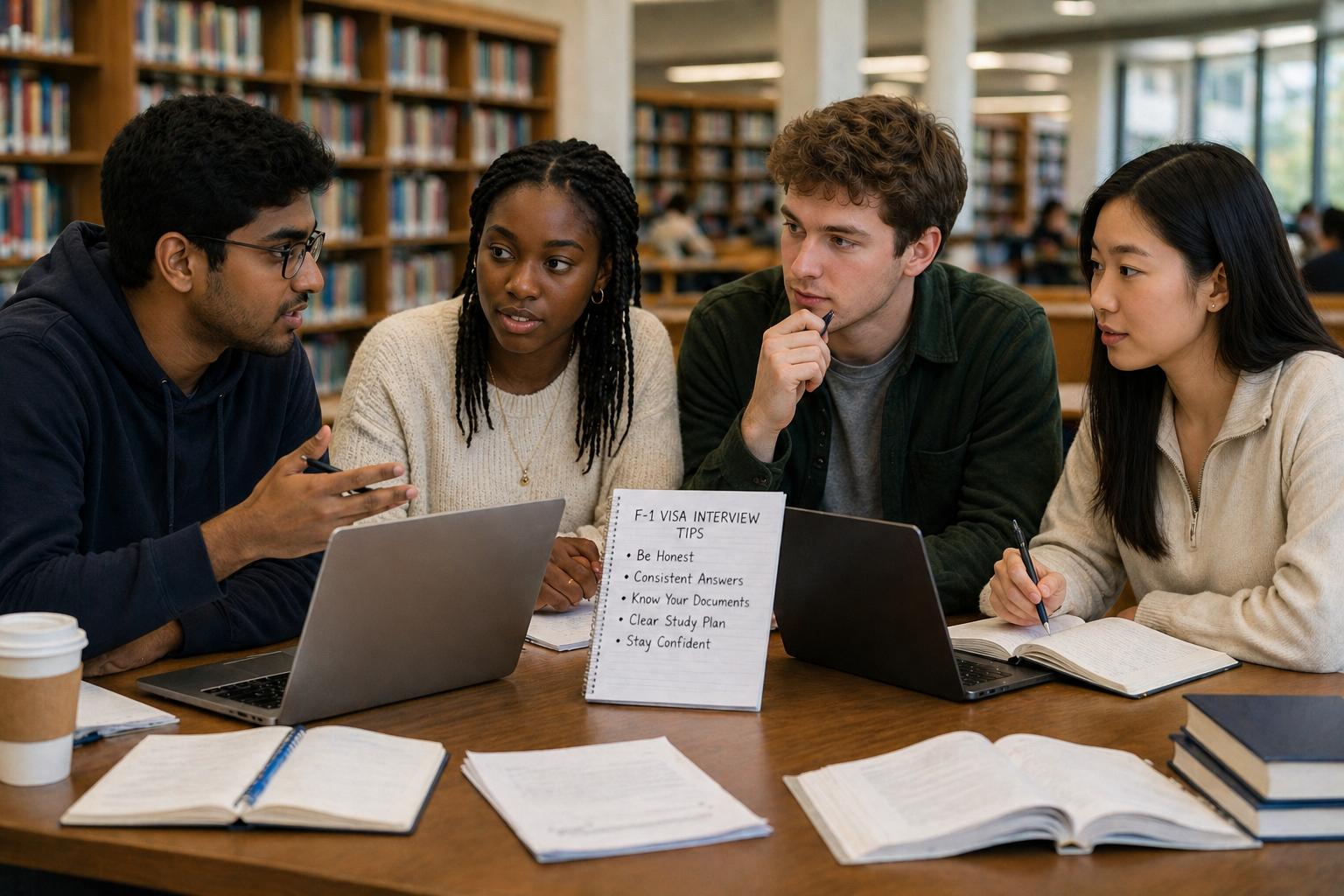
Many students walk into their visa interview thinking small details won’t matter. A slight exaggeration here, a minor adjustment there—it feels harmless. But in reality, small lies in F-1 visa interviews can quickly turn into major problems.
If you’re preparing for your interview, understanding how these small inconsistencies affect your application can help you avoid unnecessary risks. The goal is not perfection—it is clarity and honesty.
Why Small Lies in F-1 Visa Interviews Can Lead to Refusal
Visa officers are trained to evaluate patterns, consistency, and credibility. They are not only listening to what you say—they are also assessing how well your answers align with your documents.
This is why small lies in F-1 visa interviews can raise concerns. Even a minor mismatch can make your overall profile seem unclear or unreliable.
Some common areas where this happens include:
- Academic history explanations
- Work experience details
- Financial sponsorship information
- Future career plans
Examples of “Small Lies” That Cause Big Problems
1. Changing Your Story Slightly
Some students adjust their answers to sound “better.” For example, changing reasons for choosing a university or course.
This creates inconsistency if your documents or previous answers say something different.
2. Exaggerating Work Experience
Adding responsibilities or roles that were not actually part of your experience may seem helpful—but it can lead to confusion if questioned further.
3. Memorized Answers That Don’t Fit
Using scripted answers that don’t match your personal situation can make your responses feel unnatural or unclear.
4. Overexplaining Financial Strength
Trying to make your financial situation sound stronger than it is can lead to contradictions.
Step-by-Step: How to Avoid Small Lies in F-1 Visa Interviews
1. Understand Your Own Application
Before your interview, review all your documents carefully.
- Know your academic history
- Understand your course details
- Be clear about your sponsor information
2. Keep Your Answers Simple and Real
You do not need complex answers. Clear and honest responses are more effective.
3. Practice Consistency
Your answers should align with your documents and previous statements.
- Same reason for course selection
- Same career goals
- Same financial explanation
4. Prepare for Follow-Up Questions
Visa officers may ask deeper questions. If your answers are honest, it becomes easier to respond naturally.
Common Mistakes Students Make
Many students fall into similar patterns when preparing for interviews.
- Trying to impress instead of being clear
- Copying answers from online sources
- Not reviewing their own application properly
- Giving different answers under pressure
These mistakes often lead to the impression that the student is not fully prepared or confident.
Practical Advice for Interview Day
- Take a moment before answering questions
- Speak at a natural pace
- If unsure, clarify instead of guessing
- Stay calm even if a question feels unexpected
Your goal is not to deliver perfect answers—it is to communicate clearly and honestly.
How Visa Officers View Your Responses
It is important to understand that visa officers are not looking for complicated answers. They are looking for:
- Consistency across your profile
- Clear study intent
- Logical career plans
- Confidence in communication
When small inconsistencies appear, it becomes harder for them to clearly understand your intent.
Final Thoughts: Clarity Over Perfection
Facing an F-1 visa interview can feel overwhelming, and it is natural to want to present yourself in the best possible way. However, avoiding small lies in F-1 visa interviews is one of the most important steps you can take.
You do not need to be perfect. You need to be clear, consistent, and confident.
When your story makes sense and your answers feel natural, your overall profile becomes stronger. Focus on preparation, understanding your own journey, and communicating it honestly.
From university selection and scholarships to F-1 visa interview preparation — expert guidance built for international students.