
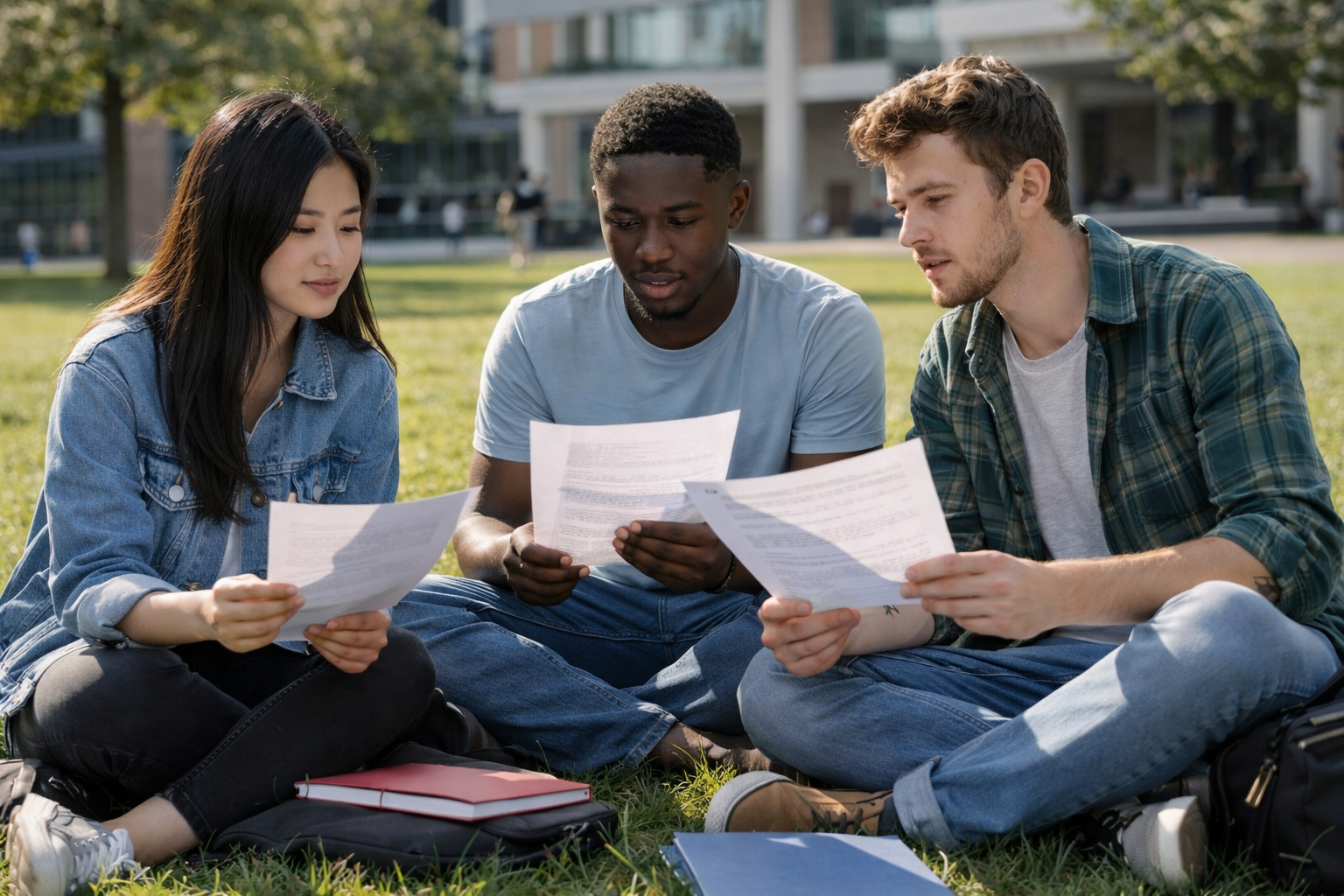
Applying for an F-1 visa can feel overwhelming. Between financial proof, academic records, and interview preparation, many students feel pressure to “fix” weak areas in their application. Sometimes, this leads to a dangerous thought: “What if I just adjust my documents a little?”
If you’re considering using fake documents for an F-1 visa, it’s important to understand the real risks, consequences, and safer alternatives before making a decision that could affect your future.
Why Students Consider Using Fake Documents for F-1 Visa
Many students don’t start with bad intentions. The idea of using fake documents often comes from fear, confusion, or pressure.
- Worry about insufficient bank balance
- Low academic grades or gaps
- Lack of proper financial sponsorship
- Fear of visa rejection
- Misinformation from agents or online sources
Unfortunately, acting on this fear can create much bigger problems than the original issue.
Fake Documents for F-1 Visa: What Counts as Fraud?
Visa fraud is not limited to obvious fake papers. Even small misrepresentations can be considered serious.
- Edited or forged bank statements
- Fake employment letters or income proofs
- Incorrect financial sponsors
- False academic transcripts or certificates
- Misrepresentation of previous visa history
Even if the document looks “real,” providing false information is treated as fraud.
Serious Risks of Using Fake Documents for F-1 Visa
The risks of submitting fake documents are much higher than most students expect. These are not small mistakes—they can have long-term consequences.
1. Immediate Visa Rejection
If a visa officer identifies inconsistencies or doubts your documents, your application can be refused on the spot.
2. Permanent Record of Misrepresentation
Providing false information may result in a record of misrepresentation. This can affect future visa applications, not just for the U.S., but potentially for other countries as well.
3. Long-Term Ineligibility Risks
In serious cases, students may face long-term restrictions on applying again. This can delay or completely disrupt your study abroad plans.
4. Increased Scrutiny in Future Applications
Even if you apply again later with correct documents, your previous history may lead to stricter questioning and review.
How Visa Officers Detect Fake Documents
Many students assume fake documents will go unnoticed. In reality, visa officers are trained to identify inconsistencies quickly.
- Cross-checking financial data patterns
- Verifying academic records
- Comparing DS-160 answers with interview responses
- Identifying unrealistic financial or employment claims
Even small inconsistencies can raise red flags during the interview.
Safer Alternatives Instead of Using Fake Documents
If your application has weak areas, there are safer and more effective ways to improve your chances.
1. Be Honest About Your Financial Situation
Use genuine bank statements and clearly explain your funding sources. Transparency builds trust.
2. Strengthen Your Profile
- Improve your SOP or study plan
- Choose realistic universities
- Show clear academic intent
3. Prepare for Interview Questions
Confidence and clarity during the interview often matter more than perfect documents.
4. Consider Delaying Your Application
If your finances or profile are not ready, waiting for a stronger application can be a smarter decision.
Common Mistakes Students Make
Students sometimes fall into traps that lead them toward risky decisions.
- Trusting unverified agents who promise “guaranteed approval”
- Believing that “everyone does it”
- Ignoring inconsistencies between documents and DS-160
- Rushing the application process under pressure
Remember, shortcuts often create bigger obstacles later.
Practical Advice for a Safe F-1 Visa Application
Here are some simple but effective steps to stay on the right track:
- Always use genuine, verifiable documents
- Double-check all information before submission
- Keep your DS-160 consistent with your documents
- Practice answering questions honestly and clearly
- Focus on your study goals, not just visa approval
A strong, honest application builds confidence—not just for the visa officer, but for you as well.
Final Thoughts: Protect Your Future
Using fake documents for an F-1 visa may seem like a quick fix, but it carries serious risks that can affect your future opportunities.
Your study abroad journey is a long-term investment. Taking the honest path might feel harder at first, but it gives you a solid foundation for success.
Stay patient, stay truthful, and focus on building a genuine application that reflects your real goals and potential.
From university selection and scholarships to F-1 visa interview preparation — expert guidance built for international students.