
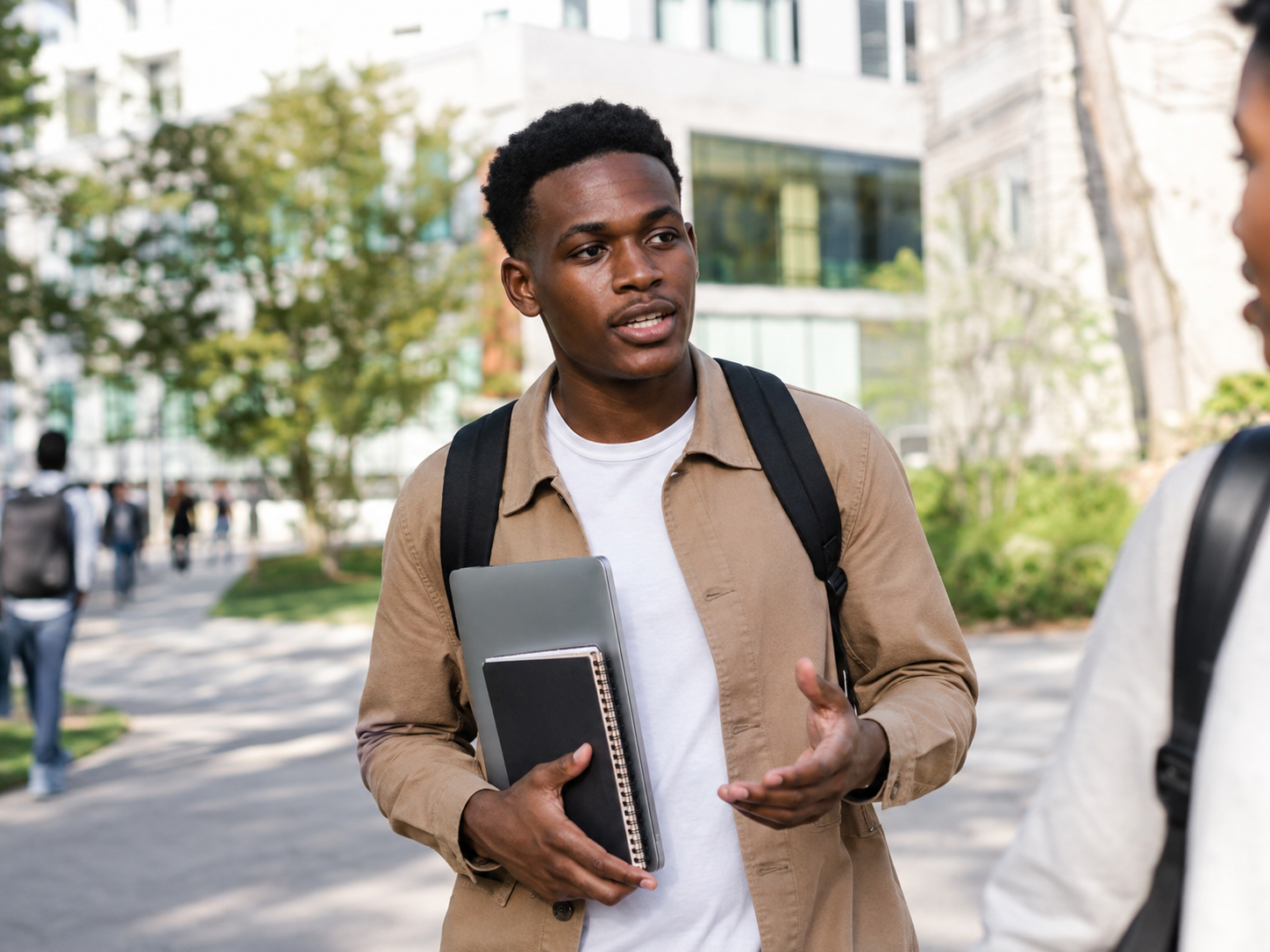
College is not only a place to earn a degree. It is also one of the best times to develop the abilities you may eventually use in internships, research, graduate school, and the workplace. For international students, building professional skills while studying can feel challenging because you may be adjusting to a new academic system, communication style, and culture at the same time. The good news is that you do not need to wait until graduation to begin. Everyday university experiences can help you become more confident and career-ready.
Why Building Professional Skills While Studying Matters
Employers often evaluate more than academic knowledge. They also look at how candidates communicate, solve problems, work with others, use technology, manage responsibilities, and continue developing professionally.
The National Association of Colleges and Employers identifies career-readiness competencies that include communication, critical thinking, leadership, professionalism, teamwork, technology, and career development.
Your classes can provide technical knowledge, but professional skills often grow through practice. Presentations, team assignments, student organizations, research projects, campus activities, and conversations with professors can all become opportunities to improve.
Professional Skills Students Should Start Developing
1. Communication Skills
Clear communication is useful in almost every academic and professional environment. You may need to explain ideas during presentations, write emails, participate in meetings, ask questions, or describe a complicated problem simply.
You can practice by:
- Participating in classroom discussions.
- Giving presentations instead of avoiding them.
- Writing clear and professional emails.
- Visiting professors during office hours.
- Practicing active listening during group work.
If English is not your first language, focus on clarity rather than trying to sound perfect. Professional communication improves through regular practice.
2. Teamwork
University group projects can sometimes be frustrating, but they provide useful practice for professional teamwork. You learn how to divide responsibilities, work with different personalities, manage disagreements, and meet shared deadlines.
Instead of focusing only on completing your assigned part, observe how the team functions. Learn when to lead, when to listen, and how to help a group move forward when problems appear.
3. Critical Thinking and Problem-Solving
Professional environments rarely provide instructions for every situation. Developing the ability to examine information, identify problems, compare possible solutions, and explain your reasoning can therefore be valuable.
Research assignments, case studies, laboratory work, coding exercises, and class discussions can all strengthen these abilities. When completing an assignment, ask yourself why a particular approach works instead of concentrating only on the correct answer.
4. Time Management
Managing classes, assignments, activities, and personal responsibilities teaches you how to prioritize competing demands. This becomes especially important when several deadlines arrive at the same time.
Use a calendar or task system to track important dates. Break large projects into smaller steps and begin before the deadline becomes urgent. Reliable habits developed during college can continue helping you later in your career.
5. Technology Skills
You do not need to become an expert in every digital tool. Instead, become comfortable learning new technology when necessary.
Depending on your field, useful experience might include spreadsheets, presentation software, data analysis tools, collaboration platforms, programming environments, design applications, laboratory software, or industry-specific systems.
Whenever possible, use academic projects to produce something that demonstrates how you applied a tool to solve a real problem.
Building Professional Skills While Studying Through Campus Opportunities
Join Student Organizations
Student clubs can provide more than social activities. Helping organize an event, managing a budget, coordinating volunteers, creating communications, or leading a small team can provide practical experience.
You do not need to become club president. Consistent participation and responsibility can be equally valuable.
Work on Real Academic Projects
Do not treat every assignment as something to forget after receiving a grade. Some projects can later become examples of your skills.
Keep strong reports, presentations, research summaries, designs, data projects, or programming work when appropriate. Over time, these examples may help you build a portfolio or prepare for interviews.
Develop Relationships With Professors
Professors can help you understand your field beyond textbooks. Attend office hours, ask thoughtful questions, discuss academic interests, and seek feedback.
The goal should not be collecting contacts. Focus on building genuine academic relationships through curiosity, reliability, and consistent participation.
Use Your University’s Career Center
Many students wait until their final semester before visiting career services. Starting earlier can give you more time to improve.
Depending on your institution, career services may offer resume reviews, mock interviews, career fairs, workshops, networking events, employer sessions, or career planning appointments.
How International Students Can Build Experience Safely
Professional development does not always require employment. Classroom projects, volunteering within appropriate settings, student organizations, research activities, workshops, competitions, and campus leadership can help you develop useful abilities.
F-1 students should be careful when an opportunity involves employment. U.S. government guidance states that F-1 students have specific employment rules and should speak with their Designated School Official before pursuing work opportunities when authorization questions apply. The official Study in the States employment guidance recommends contacting the DSO as the first step when an F-1 student wants to work.
Do not assume that an unpaid opportunity, freelance project, remote position, internship, or online activity automatically falls outside immigration-related employment rules. When uncertain, ask your DSO before beginning the activity.
Create a Simple Professional Skills Plan
You do not need to improve everything simultaneously. Choose a few areas and build them gradually.
Step 1: Identify Your Current Strengths
List three abilities you already use confidently. They might include writing, data analysis, teamwork, organization, public speaking, research, or technical skills.
Step 2: Choose Two Skills to Improve
Choose skills relevant to your academic and career direction. For example, someone interested in management might prioritize presentations and leadership, while a student entering research might focus on analytical writing and data skills.
Step 3: Find a Place to Practice
Connect each skill to a real activity. If you want better public-speaking skills, volunteer to present a group project. If you want leadership experience, coordinate part of a club activity.
Step 4: Record Evidence of Progress
Keep a simple record of projects, responsibilities, results, and feedback. This makes it easier to remember meaningful examples when updating your resume or preparing for interviews.
Common Mistakes to Avoid
- Waiting until graduation to think about career preparation.
- Collecting certificates without applying what you learned.
- Joining too many activities and participating deeply in none of them.
- Avoiding presentations or teamwork because they feel uncomfortable.
- Ignoring feedback from professors, supervisors, or teammates.
- Comparing your progress constantly with other students.
- Accepting employment-related opportunities without checking applicable F-1 requirements.
Practical Advice for Long-Term Growth
Professional development is usually gradual. You may not notice improvement after one presentation, one project, or one networking conversation. Over several semesters, however, repeated practice can make difficult situations feel much more manageable.
Try to leave each semester with something beyond grades: a completed project, stronger communication skills, a new technical ability, a professional relationship, leadership experience, or a clearer understanding of your career direction.
Conclusion
Building professional skills while studying does not require choosing between academics and career preparation. Many of the best opportunities are already part of university life. Classes, projects, research, campus organizations, conversations with professors, and career services can all help you become more prepared for future opportunities.
Start small, practice consistently, and focus on meaningful improvement rather than trying to build an impressive resume overnight. By graduation, the goal is not simply to have completed a degree but to understand your strengths, communicate your value, and enter your next stage with greater confidence.
This article provides general educational information. International students should confirm employment-related questions and individual F-1 requirements with their Designated School Official.
From university selection and scholarships to F-1 visa interview preparation — expert guidance built for international students.