
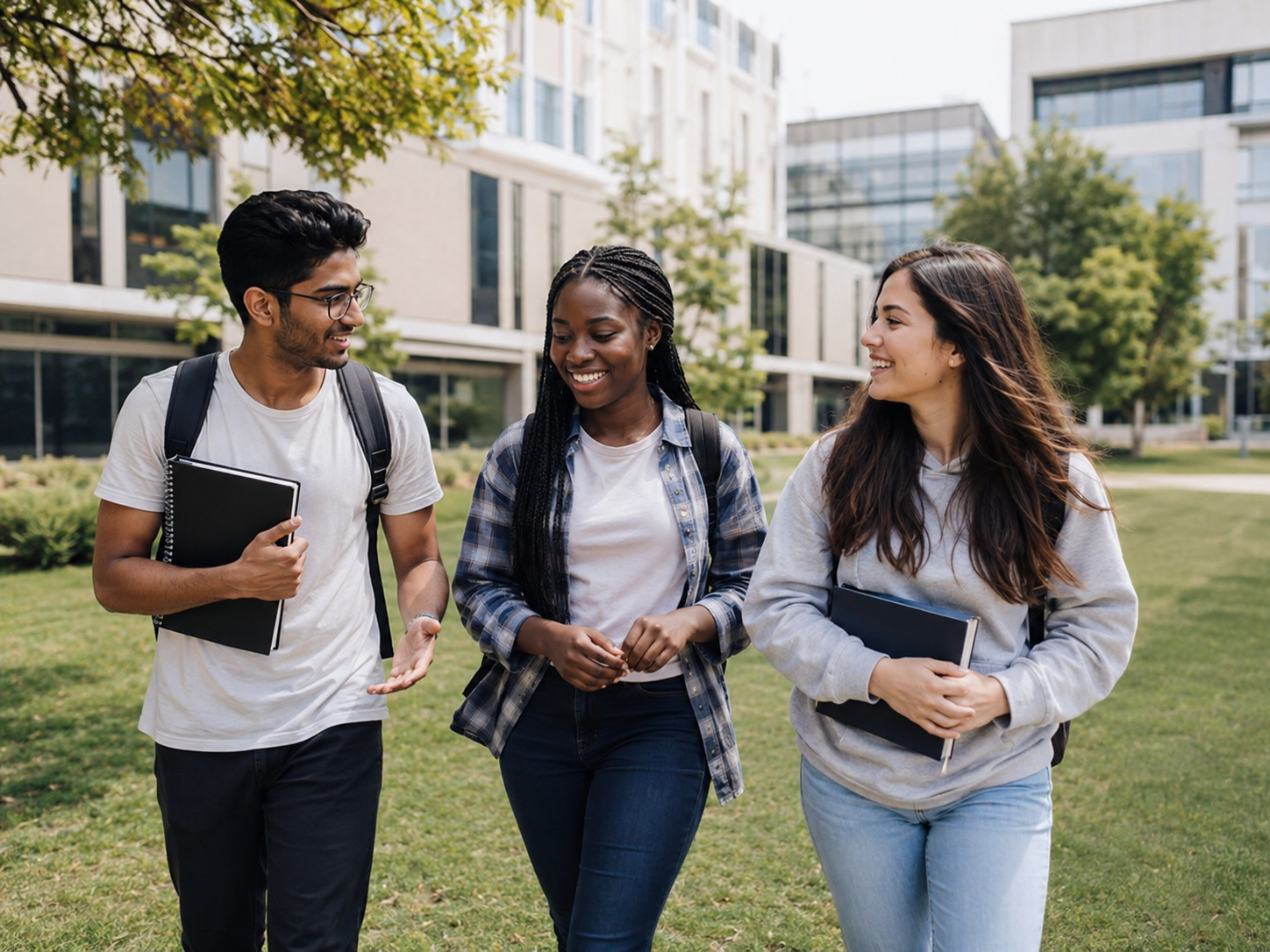
Going home after months or years of studying abroad may sound like the easiest part of an international education journey. You are returning to familiar people, food, language, and routines. Yet many students are surprised by how uncomfortable the transition can feel. Reverse culture shock after returning home can happen when the place you once knew well suddenly feels different—or when you realize that you have changed while you were away.
This experience does not mean that studying abroad was a mistake or that you no longer belong at home. It is often part of adjusting to life after a major international experience.
What Is Reverse Culture Shock After Returning Home?
Reverse culture shock, sometimes called re-entry culture shock, describes the difficulty some people experience when readjusting to their home environment after spending significant time in another country.
Before studying abroad, you probably expected to adjust to a new culture. You may have prepared yourself for different classroom styles, food, transportation, communication, and social expectations. Returning home can be more surprising because you may expect everything to feel immediately familiar.
However, two things may have changed while you were away:
- Your home community, friendships, routines, and surroundings may have changed.
- Your own habits, expectations, confidence, interests, and perspective may have changed.
The gap between what you expected homecoming to feel like and what you actually experience can make the transition confusing.
Common Signs of Reverse Culture Shock After Returning Home
Every student’s experience is different. Some students readjust quickly, while others need more time. You may notice changes in how you think about daily life, relationships, or your future.
Common experiences can include:
- Missing your university, friends, routines, or lifestyle abroad.
- Feeling that family and friends do not fully understand your experience.
- Becoming frustrated with habits or systems you previously accepted.
- Comparing your home country constantly with the country where you studied.
- Feeling less independent after returning to a family environment.
- Having difficulty reconnecting with old friendships.
- Feeling uncertain about your next academic or professional step.
- Wanting to talk about your international experience when others quickly change the subject.
These reactions can vary in intensity and may become easier as you rebuild routines and reconnect with life at home.
Why Returning Home Can Feel More Difficult Than Expected
You Have Changed During Your Time Abroad
International education often requires students to become more independent. You may have learned to manage your schedule, solve problems alone, communicate across cultures, travel independently, or make important decisions without family support.
Returning to an environment where people remember an earlier version of you can sometimes feel restrictive. Family members may also expect old routines to resume immediately.
Your Friends Continued Their Lives While You Were Away
It is natural to imagine that old friendships will continue exactly where they stopped. In reality, friends may have developed new relationships, careers, responsibilities, or interests.
This does not necessarily mean those friendships are lost. You may simply need time to understand each other’s new experiences.
Your Memories of Home May Have Become Idealized
During difficult moments abroad, students sometimes remember home mainly through positive memories. After returning, ordinary frustrations—traffic, bureaucracy, family disagreements, limited opportunities, or daily routines—become visible again.
The contrast between an idealized memory and everyday reality can make homecoming feel disappointing at first.
How to Handle Reverse Culture Shock After Returning Home
Step 1: Give Yourself Time to Readjust
Do not expect your life to feel completely normal within the first few days. You spent months or years adapting to another environment. Re-adjusting to your home environment can also take time.
Create a realistic routine involving sleep, exercise, family time, professional goals, hobbies, and social activities.
Step 2: Stay Connected With Friends From Your International Experience
Your classmates and international friends may understand the transition better because some of them may be experiencing something similar.
Occasional calls, group chats, or online conversations can help maintain valuable relationships without preventing you from rebuilding your life at home.
Step 3: Reconnect With People at Home Gradually
Instead of expecting friends to understand several years of experiences in one conversation, rebuild connections naturally.
Ask about what happened in their lives while you were away. Share your own experiences when relevant. Reconnection works better as a two-way conversation than as a long explanation of everything you experienced abroad.
Step 4: Use the Skills You Developed Abroad
Your international experience does not need to end when you leave campus.
Think about the skills you developed, such as:
- Cross-cultural communication.
- Problem-solving.
- Independence.
- Academic research.
- Professional networking.
- Time management.
- Adaptability.
Look for ways to apply these abilities in work, graduate study, community projects, entrepreneurship, or professional development.
Step 5: Create New Goals
One reason returning home can feel strange is that studying abroad gave you a clear objective. You had classes, assignments, internships, graduation requirements, and deadlines.
After returning, that structure may disappear.
Create a new direction by setting short-term goals for the next three to six months. These might include improving your resume, applying for jobs, preparing for further education, developing a professional skill, or reconnecting with your industry.
Common Mistakes When Readjusting After Studying Abroad
How you respond to the transition can influence how quickly you create a satisfying routine at home. Try to avoid these common mistakes:
- Comparing everything: Constantly deciding which country is better can prevent you from appreciating the strengths and limitations of both environments.
- Expecting everyone to understand: People who did not share your experience may find it difficult to relate to every detail.
- Withdrawing completely: Missing your life abroad is understandable, but isolating yourself can make reconnecting more difficult.
- Ignoring relationships: Friends and family have also experienced changes while you were away.
- Assuming your international experience guarantees career success: Overseas education can provide valuable skills, but you still need to communicate those skills effectively to employers.
- Trying to recreate your old life exactly: Returning home is often about building a new routine rather than recovering the one you had before leaving.
Practical Advice for International Students Returning Home
Before leaving the United States or another study destination, prepare for re-entry just as you once prepared to study abroad.
Save important professional contacts, organize academic records, update your resume, connect with classmates and professors professionally, and identify organizations in your home country that value international education.
Once home, consider joining alumni communities, professional associations, international education groups, or industry networks. These communities can help you connect your overseas experience with opportunities in your local environment.
You can also reflect on your experience by writing down what changed during your time abroad. Ask yourself:
- What skills did I gain?
- Which beliefs or assumptions changed?
- What parts of my international lifestyle do I want to keep?
- What do I now appreciate more about home?
- What kind of career or education path makes sense next?
These questions can transform the feeling of being caught between two worlds into a clearer understanding of what you learned from both.
Your International Experience Is Still Part of Your Future
Reverse culture shock after returning home can make an exciting homecoming feel unexpectedly complicated. You may miss your independence, friendships, university environment, or everyday life abroad while also being happy to see the people you care about at home.
Those feelings do not have to contradict each other.
Studying internationally can expand your perspective, and returning home gives you an opportunity to decide which parts of that experience you want to carry forward. Give yourself time, rebuild relationships gradually, apply the skills you developed, and create new goals.
You do not need to return to exactly the person you were before studying abroad. The more useful goal is to build a life at home that includes what you learned, how you grew, and the wider perspective your international education gave you.
From university selection and scholarships to F-1 visa interview preparation — expert guidance built for international students.