
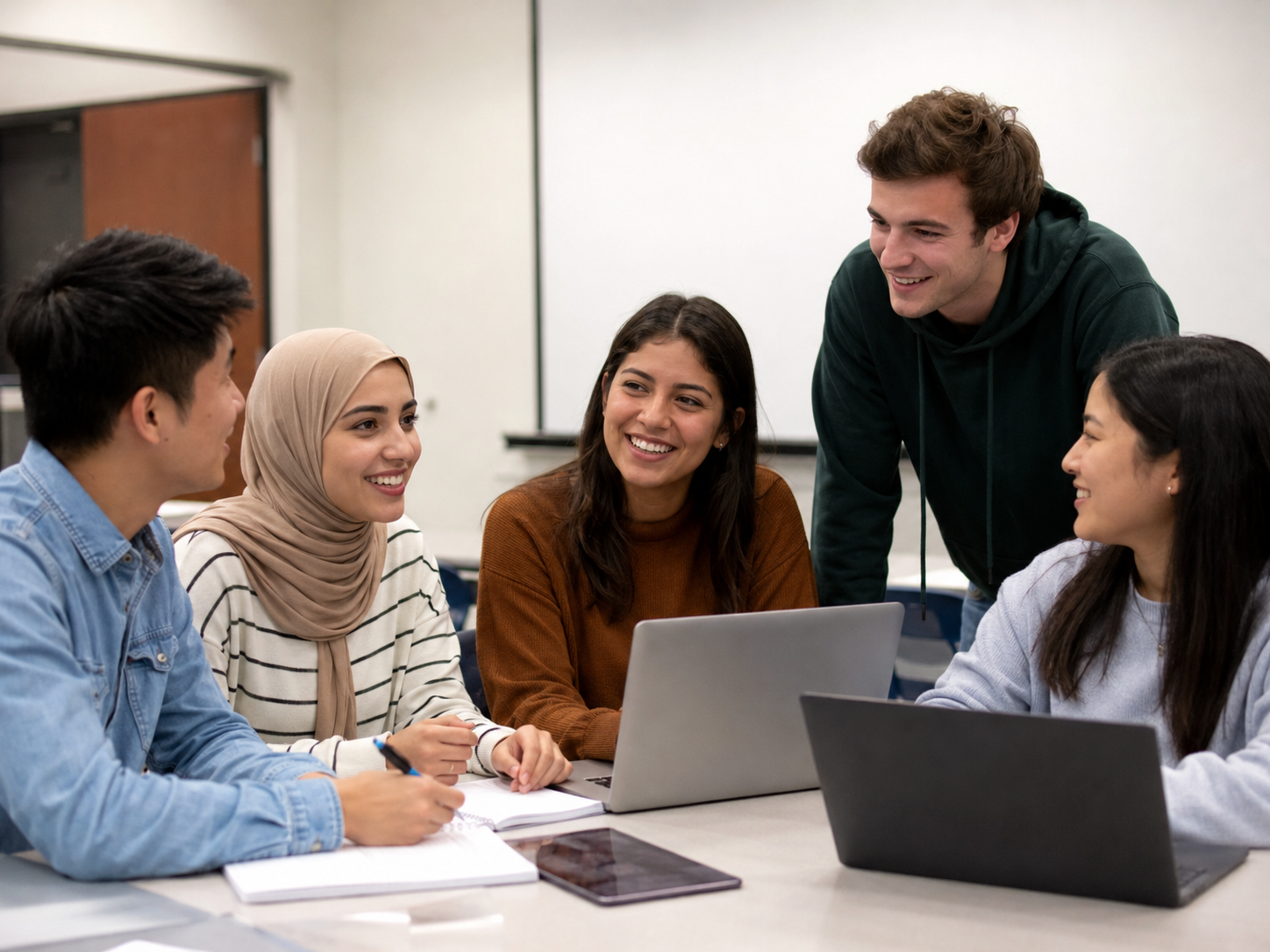
The long-term benefits of international education often become clear slowly. At first, many students focus only on admission, visa preparation, tuition, travel, and the fear of starting life in a new country. It can feel like a big risk, especially when you are far from family and familiar support. But international education is not only about earning a degree. Over time, it can shape your confidence, career direction, communication skills, worldview, and personal independence in powerful ways.
For many international students, studying abroad becomes one of the most important growth experiences of their life. It teaches lessons that go far beyond classrooms, textbooks, and exams.
Long-Term Benefits of International Education Beyond the Degree
A degree from another country can be valuable, but the real strength of international education is broader. Students learn how to adjust, communicate, solve problems, manage pressure, and understand people from different backgrounds. These skills can stay useful for many years after graduation.
According to the OECD, international student mobility can support academic excellence, cultural exchange, economic growth, international understanding, and access to global career opportunities. This shows that international education is not only a personal academic choice; it is also connected to a wider global learning environment.
The long-term value often appears in areas such as:
- Career confidence and employability
- Global communication skills
- Personal independence
- Better cultural understanding
- Professional networks
- Stronger decision-making
- Long-term academic and career clarity
These benefits may not appear immediately in the first semester. Many students feel homesick, nervous, or unsure at the beginning. However, with time, the same challenges often become the foundation of maturity and confidence.
Long-Term Benefits of International Education for Career Growth
One of the biggest reasons students choose international education is career growth. Employers in many fields value students who can work with different cultures, understand global markets, communicate clearly, and adapt to new environments.
The Institute of International Education reported that study abroad experiences can contribute to transferable skills and positive employment gains, based on survey responses from more than 4,500 alumni. While every student’s outcome depends on their field, effort, program quality, and career planning, international education can help students build skills that are useful across many industries.
Career Skills Students Often Develop
International students often develop practical career skills through daily academic and personal experiences. These skills may include:
- Adaptability: Learning how to adjust to new academic systems, teaching styles, and workplace expectations.
- Communication: Explaining ideas clearly to classmates, professors, advisors, and future employers.
- Problem-solving: Handling housing, banking, transportation, assignments, deadlines, and unexpected challenges.
- Cross-cultural teamwork: Working with people from different countries, languages, and backgrounds.
- Confidence: Becoming more comfortable speaking, asking questions, and making independent decisions.
These skills can help students not only during job searches but also in long-term professional life. A student who learns how to adjust in a foreign classroom may later feel more prepared to work in international teams, multinational companies, research groups, or global organizations.
Personal Growth and Independence
International education often forces students to grow faster than they expected. Simple tasks like opening a bank account, managing rent, cooking meals, talking to professors, or understanding public transportation can feel difficult at first. But each completed task builds independence.
Over time, students often become more confident because they learn how to handle real-life responsibilities. They become better at planning, budgeting, managing time, and asking for help when needed.
This kind of personal growth can be life-changing. Students may return home or move forward in their careers with a stronger sense of identity. They may understand their strengths better. They may also become more patient, flexible, and emotionally mature.
Better Cultural Awareness and Global Thinking
Another long-term benefit of international education is cultural awareness. Studying in a new country exposes students to different classroom discussions, social habits, communication styles, food, traditions, and ways of thinking.
At first, these differences may feel confusing. But with time, students learn that people can see the same issue from different angles. This helps them become better listeners and more respectful communicators.
Why Cultural Awareness Matters
Cultural awareness is useful in both personal and professional life. It can help students:
- Work better in diverse teams
- Avoid misunderstandings
- Communicate respectfully with people from different backgrounds
- Understand global problems more deeply
- Become more open-minded and balanced in decision-making
In today’s connected world, many industries need people who can understand different cultures. International education can help students develop this ability through real experience, not only theory.
Academic Confidence and Better Learning Habits
Studying abroad can also improve academic confidence. Many international students come from education systems where learning is more exam-focused. In countries such as the United States, students may need to participate in discussions, write research papers, work in groups, give presentations, and communicate with professors.
This can feel uncomfortable at first, especially for students who are shy or worried about language mistakes. But gradually, students learn how to express ideas, support arguments, use academic resources, and think critically.
Helpful academic habits may include:
- Planning assignments before deadlines
- Using office hours to ask professors questions
- Learning proper citation and academic honesty rules
- Improving research and writing skills
- Participating in class discussions with more confidence
These habits can help students throughout graduate school, professional certifications, research work, and career development.
Building a Global Network
International education gives students access to people they may never have met otherwise. Classmates, professors, advisors, alumni, mentors, and professional contacts can become part of a long-term global network.
This network can be helpful for:
- Academic guidance
- Internship awareness
- Research opportunities
- Career advice
- Professional references
- Future collaborations
Networking does not mean asking strangers for jobs. It means building genuine relationships over time. A short conversation after class, a respectful email to a professor, or participation in a student organization can slowly create meaningful connections.
Common Mistakes Students Should Avoid
International education has long-term benefits, but students should avoid unrealistic expectations. Studying abroad is not a magic solution. Success depends on planning, effort, discipline, and responsible choices.
Common mistakes include:
- Thinking the degree alone is enough: Students should also build skills, experience, and communication confidence.
- Avoiding campus resources: Career centers, writing centers, advisors, and international student offices can be very helpful.
- Staying only within one comfort group: It is natural to connect with people from home, but students should also interact with diverse classmates.
- Ignoring career planning until graduation: Career preparation should begin early, not in the final semester.
- Not understanding student status responsibilities: International students should follow their school’s guidance and maintain proper academic responsibilities.
- Comparing too much with others: Every student’s financial situation, major, English level, and career path is different.
Practical Advice to Get the Most From International Education
Students can increase the long-term benefits of international education by being intentional. Instead of only attending classes, they should use the full academic environment around them.
Use Campus Resources Early
Visit the academic advising office, international student office, library, writing center, and career center. These services are designed to support students, but many students wait too long to use them.
Build Skills Outside the Classroom
Join student clubs, volunteer activities, workshops, research projects, or professional events when appropriate. These experiences can help you improve communication and confidence.
Keep Your Long-Term Goals Clear
Ask yourself what you want from your degree besides graduation. Do you want research experience, industry exposure, leadership skills, better English communication, or preparation for graduate school? Clear goals help you make better choices.
Stay Responsible With Immigration and Academic Rules
If you are an F-1 student, always follow your university’s international student office guidance. Speak with your Designated School Official before making major academic or enrollment changes. This is not about fear; it is about staying informed and responsible.
Final Thoughts on the Long-Term Benefits of International Education
The long-term benefits of international education are not limited to a diploma. The experience can shape how students think, communicate, work, solve problems, and understand the world. It can build confidence, independence, cultural awareness, and career-ready skills that continue to matter years after graduation.
The journey may not always be easy. There may be homesickness, academic pressure, financial stress, and moments of doubt. But many students discover that these challenges help them become stronger and more prepared for the future.
International education is not just about studying in another country. It is about becoming a more capable, confident, and globally aware person. With planning, patience, and the right support, the experience can become one of the most valuable investments in a student’s future.
From university selection and scholarships to F-1 visa interview preparation — expert guidance built for international students.