
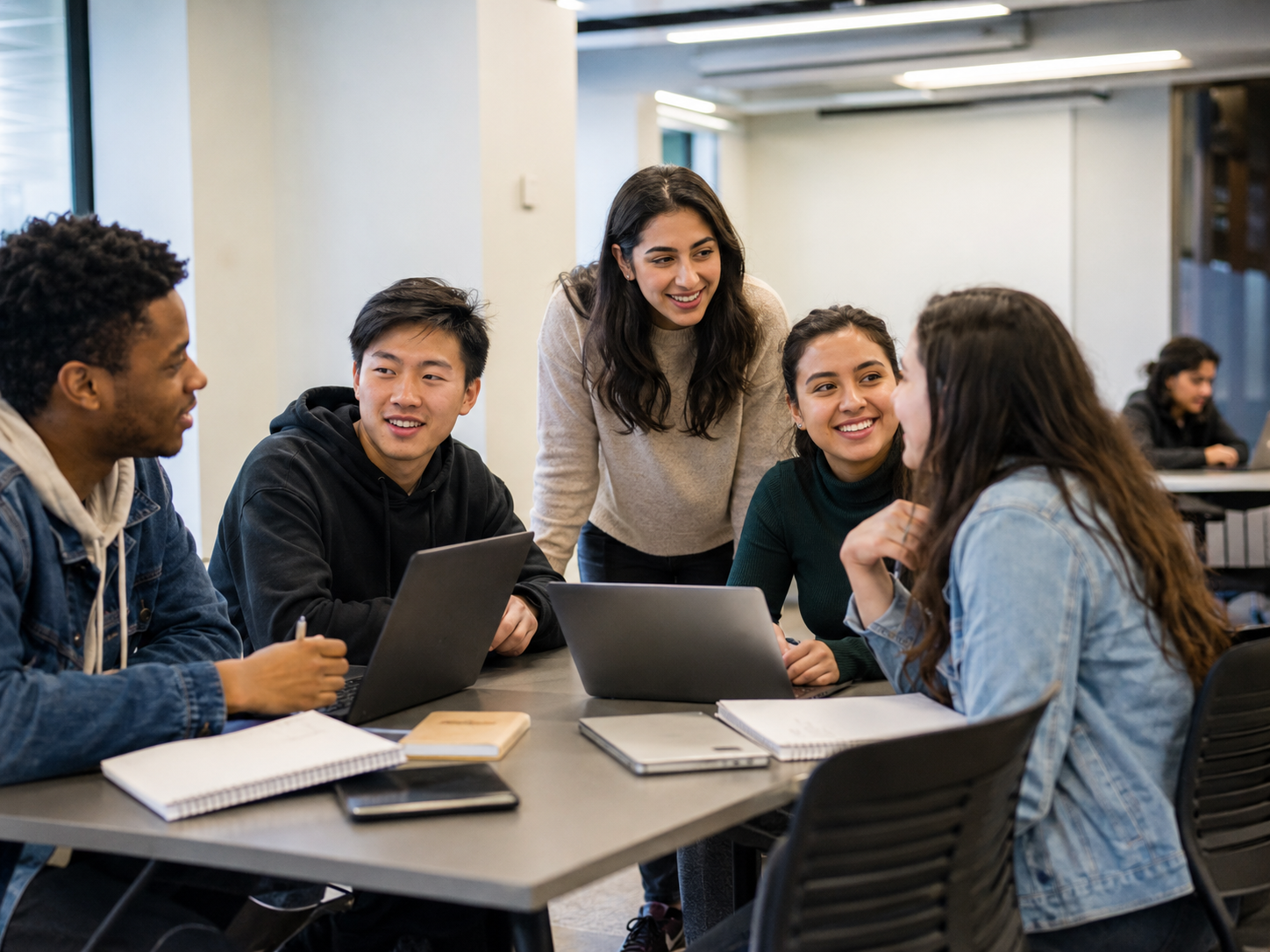
The first year of studying abroad can be exciting, confusing, lonely, rewarding, and sometimes all of those things in the same week. Many students arrive in the United States with detailed academic plans but quickly discover that university life involves much more than attending classes. Some of the most valuable lessons international students learn in their first year involve communication, independence, money, friendships, academic expectations, and knowing when to ask for help.
If your first few months do not look exactly like the experience you imagined, that does not necessarily mean something has gone wrong. Adjustment takes time. Understanding what other international students commonly learn during their first year can help you approach the experience with more realistic expectations.
Why the First Year Is Such an Important Adjustment Period
Starting university in another country means adapting to several changes at once. You may be learning a new academic system while managing your own finances, transportation, meals, friendships, schedules, and responsibilities.
Even students who speak English confidently may need time to understand classroom discussions, informal expressions, professor expectations, campus procedures, and everyday social situations.
The goal should not be to understand everything immediately. A better goal is to become more comfortable asking questions, finding reliable information, and making thoughtful decisions as you gain experience.
10 Lessons International Students Learn in Their First Year
1. Asking Questions Is a Strength
Many new students hesitate to ask questions because they worry about appearing unprepared. In reality, university systems can be complicated even for domestic students.
If you do not understand an assignment, deadline, registration requirement, campus procedure, or F-1 responsibility, ask the appropriate person. Depending on the issue, that may be your professor, academic adviser, Designated School Official, financial aid office, housing office, or another university department.
Learning who to ask is one of the most useful skills you can develop.
2. Classroom Culture May Be Different
Students coming from education systems that emphasize lectures and examinations may initially find American classroom participation unfamiliar. Some courses may expect discussion, group projects, presentations, office-hour conversations, research, or frequent assignments throughout the semester.
Pay attention to the syllabus and grading structure instead of assuming every course works the same way.
If participation is difficult at first, begin gradually. Prepare one question before class, contribute to small-group discussions, or visit the professor during office hours.
3. Time Management Matters More Than Expected
A flexible schedule can create the impression that you have plenty of free time. Then assignments, exams, meetings, laundry, grocery shopping, campus activities, and personal responsibilities begin competing for the same hours.
Successful students often learn to plan backward from deadlines rather than waiting until work becomes urgent.
- Record important deadlines at the beginning of each week.
- Break large assignments into smaller tasks.
- Reserve regular study periods.
- Leave time for meals, exercise, sleep, and personal responsibilities.
- Avoid depending on last-minute studying.
4. Budgeting Becomes a Real-Life Skill
The cost of student life includes more than tuition and rent. Transportation, groceries, textbooks, phone service, clothing, health-related expenses, course materials, social activities, and unexpected costs can quickly affect a budget.
One of the practical lessons international students learn in their first year is to track actual spending instead of relying entirely on estimates made before arrival.
After your first month or two, review where your money is going and adjust your spending plan. Small recurring expenses can become significant over an entire semester.
5. Friendships Usually Take Time
You may see groups of students appearing to become close friends immediately. Do not assume everyone else has already found their social circle.
Friendships often develop through repeated contact. Attend student organizations, study groups, campus events, cultural activities, volunteer programs, or recreational clubs that genuinely interest you.
Try not to limit yourself only to students from your home country or, in the opposite direction, avoid them completely. A healthy social network can include people from your own background as well as students from many different cultures.
6. Homesickness Can Come and Go
Some students feel homesick immediately. Others feel excited during the first few weeks and experience homesickness later, particularly during holidays, difficult academic periods, or important family events.
Staying connected with family can be helpful, but building routines in your new environment also matters. Exercise, campus activities, regular meals, friendships, and consistent sleep can make unfamiliar surroundings gradually feel more manageable.
If emotional difficulties begin interfering significantly with daily life or studies, consider using your university’s counseling or student-support resources.
7. You Need to Understand Your F-1 Responsibilities
International students sometimes assume the university will automatically prevent every immigration-related mistake. It is safer to understand the basic responsibilities connected with your own student record.
F-1 students generally must maintain the required course of study and should contact their Designated School Official before making decisions that could affect their status. This may include situations involving course-load changes, employment, program changes, transfers, or other significant academic decisions.
Employment also has specific rules for F-1 students. Do not accept a job, internship, freelance opportunity, or other work arrangement simply because another student says it is allowed. Confirm your individual situation with your DSO before beginning work when authorization may be required.
8. Professors Can Be an Important Resource
Some students interact with professors only during lectures. Your first year may teach you that appropriate academic communication outside class can be extremely useful.
Office hours can help you:
- Clarify difficult concepts.
- Discuss feedback on assignments.
- Ask about research interests.
- Understand expectations for future work.
- Build genuine academic relationships over time.
You do not need an emergency before attending office hours. Thoughtful academic conversations can become part of your normal university experience.
9. Comparing Yourself With Everyone Else Is Exhausting
Another student may appear to have better grades, more friends, an internship, stronger English, or a clearer career plan. You rarely know the full story behind someone else’s progress.
Your first year is more productive when you measure improvement against your own starting point. Ask whether your study habits are improving, whether you understand the university system better, and whether you are becoming more confident handling everyday responsibilities.
10. Independence Does Not Mean Doing Everything Alone
Studying abroad often creates independence very quickly. You may make decisions that family members previously helped manage. However, independence is not the same as refusing assistance.
Universities may offer academic advising, tutoring, writing centers, career services, health services, counseling, international student offices, libraries, faculty office hours, and student organizations.
Learning to use available resources is part of becoming independent.
Common First-Year Mistakes International Students Should Avoid
- Waiting until a problem becomes serious before asking for help.
- Ignoring university emails or administrative deadlines.
- Assuming academic expectations are identical to those in your home country.
- Spending without keeping track of a monthly budget.
- Accepting employment without checking applicable F-1 requirements.
- Isolating yourself when adjusting to a new environment.
- Comparing your progress constantly with other students.
- Trying to achieve perfect grades while ignoring sleep and personal well-being.
Practical Advice for Making Your First Year Easier
Create a small list of people and offices you can contact when different types of problems arise. Know your academic adviser, DSO, professors, student-support services, and emergency contacts before you urgently need them.
Build routines rather than depending completely on motivation. Choose regular times for studying, grocery shopping, exercise, cleaning, communicating with family, and reviewing your upcoming deadlines.
Also give yourself permission to learn through experience. You may choose the wrong club, struggle in a class, misunderstand a social situation, or change your career interests. Not every uncomfortable experience means you made the wrong decision by studying abroad.
Lessons International Students Learn in Their First Year Can Shape the Rest of College
Your first year may not be the easiest part of studying in the United States, but it can be one of the most educational. Beyond academics, you learn how to manage uncertainty, communicate across cultures, solve practical problems, build relationships, and take responsibility for important decisions.
You do not need to become completely confident within a few months. Progress may happen gradually. By the end of your first year, the campus that once felt unfamiliar may begin to feel manageable, your routines may become more natural, and many situations that originally caused anxiety may become ordinary parts of student life.
The most important lesson may be simple: you are not expected to know everything when you arrive. Stay curious, ask questions, use reliable resources, and give yourself time to grow into the experience.
This article provides general educational information for international students. F-1 rules and individual circumstances can vary, so students should confirm immigration-related questions with their Designated School Official and current official guidance.
From university selection and scholarships to F-1 visa interview preparation — expert guidance built for international students.