
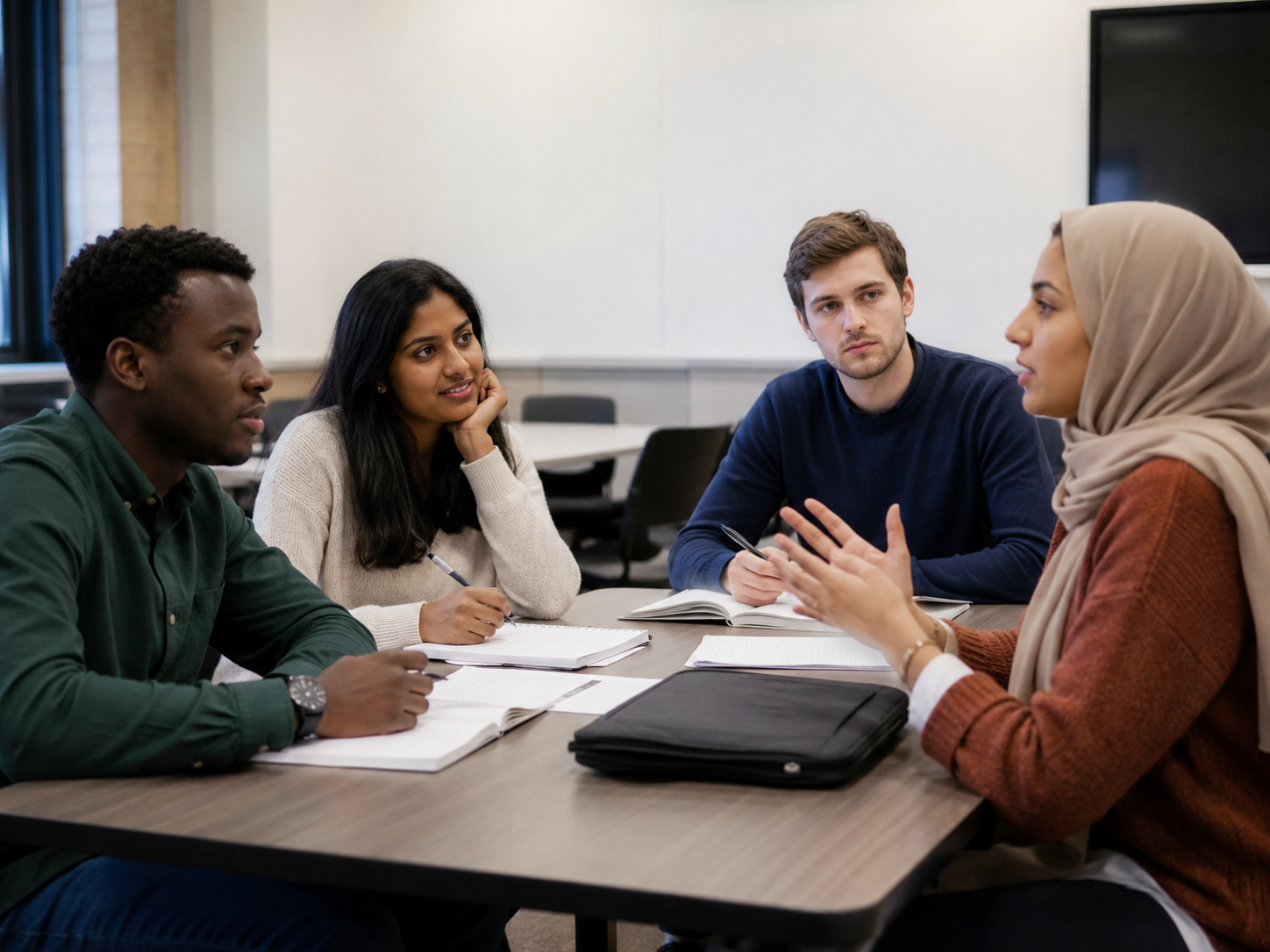
Receiving an invitation to a graduate school interview can feel exciting and intimidating at the same time. You may wonder what the faculty will ask, whether your answers will be strong enough, or how formal the conversation will be. Graduate school interviews are usually designed to help the program understand your academic interests, preparation, motivation, and potential fit. They are also an opportunity for you to learn whether the program, faculty, and research environment match your goals.
What Are Graduate School Interviews?
A graduate school interview is a conversation between an applicant and representatives of a graduate program. Depending on the university, you may speak with faculty members, admissions staff, current students, program directors, or a panel of interviewers.
Interviews are more common in doctoral programs, research-focused degrees, counseling programs, healthcare-related fields, education programs, and competitive professional degrees. Some master’s programs also interview applicants, while others make decisions entirely from the written application.
An interview invitation is generally a positive sign, but it should not be treated as an admission guarantee. The program may still be comparing several qualified applicants.
What to Expect During Graduate School Interviews
The exact format varies by university and academic department. Some interviews are brief and conversational, while others may include several meetings over one or two days.
One-on-One Faculty Interview
You may meet individually with a professor whose research interests relate to yours. The professor may ask about your academic background, research experience, future interests, and reasons for applying.
Panel Interview
A panel interview may include two or more faculty members or admissions representatives. Each person may ask questions about a different part of your application.
Virtual Interview
Many graduate interviews take place through video conferencing. A virtual graduate interview may be shorter than a campus visit, but it should still be treated professionally. Test your camera, microphone, internet connection, and meeting link in advance.
Campus Interview or Recruitment Visit
Some doctoral programs invite applicants to campus for faculty meetings, laboratory tours, student conversations, presentations, and social activities. Even informal meals or conversations may help both sides evaluate whether the program is a good fit.
Group Activities
Certain programs may include discussions, problem-solving activities, presentations, writing exercises, or conversations with current graduate students. The purpose is often to understand how you communicate, think, collaborate, and respond to unfamiliar situations.
Common Graduate School Interview Questions
You cannot predict every question, but preparing for common themes can help you answer naturally and confidently.
- Why are you interested in this graduate program?
- Why did you choose this university?
- What are your academic or research interests?
- Which faculty members would you like to work with?
- What experience has prepared you for graduate study?
- What are your long-term academic or career goals?
- Can you describe a research project or academic challenge?
- What skills do you want to develop during the program?
- How do you respond to setbacks or critical feedback?
- What questions do you have about the program?
International applicants may also be asked why they want to study in the United States, how the program supports their goals, and how they plan to adjust to a new academic environment. Keep your answers focused on academic development, professional goals, and the specific strengths of the program.
How to Prepare for Graduate School Interviews
Step 1: Review Your Application
Read your statement of purpose, résumé or CV, research proposal, writing sample, and other submitted materials. Interviewers may ask about a project, experience, academic transition, or goal mentioned in your application.
Your answers should remain consistent with the overall story presented in your documents. You do not need to memorize your application, but you should be able to explain every major claim or experience clearly.
Step 2: Research the Program
Review the curriculum, degree requirements, research centers, laboratories, faculty profiles, assistantship information, and professional-development opportunities. Identify specific features that connect with your interests.
Avoid giving a generic answer that could apply to any university. Explain why this particular program makes sense for your academic direction.
Step 3: Learn About the Interviewers
When the university provides the names of your interviewers, read their official faculty profiles and recent research descriptions. You do not need to understand every technical detail. Focus on identifying areas of genuine connection between their work and your interests.
Step 4: Prepare Your Academic Story
Create a short explanation of your background, current interests, relevant experience, and future goals. This is sometimes called an elevator pitch, but it should sound like a natural introduction rather than a memorized speech.
A useful structure is:
- Your current academic or professional background
- The experiences that shaped your interests
- The questions or problems you want to explore
- Why the program is a suitable next step
Step 5: Practice Speaking Aloud
Reading possible answers silently is not enough. Practice answering aloud with a friend, mentor, teacher, or career adviser. Record yourself if possible and check whether your answers are clear, focused, and appropriately detailed.
Do not memorize complete paragraphs. Over-rehearsed answers can sound unnatural and may become difficult to adapt when the interviewer phrases a question differently.
How to Answer Graduate School Interview Questions
Begin with a direct answer and then support it with a specific example. For behavioral questions, explain the situation, the action you took, and what you learned.
For example, when discussing an academic challenge, avoid simply saying that the experience was difficult. Explain how you identified the problem, what steps you took, and how the experience improved your approach to future work.
When you do not know the answer to a technical question, remain calm. You can acknowledge the limits of your current knowledge and explain how you would approach the problem. Graduate programs do not necessarily expect applicants to know everything. They may be interested in your reasoning, curiosity, and willingness to learn.
Questions to Ask During a Graduate Interview
An interview should be a two-way conversation. Thoughtful questions demonstrate preparation and help you evaluate the program.
- How are students matched with research supervisors?
- How flexible is the program if research interests change?
- What support is available for professional development?
- How do students typically collaborate with faculty?
- What qualities help students succeed in this program?
- What teaching or research opportunities are available?
- How does the department support international students?
- Where have recent graduates found employment?
Avoid asking questions that are answered clearly on the program’s website. Use the interview to request insight that cannot easily be found in published materials.
Common Graduate School Interview Mistakes
- Giving generic reasons for choosing the university
- Failing to review the submitted application
- Speaking negatively about previous professors or institutions
- Providing very long answers without addressing the question
- Claiming familiarity with research you have not actually reviewed
- Interrupting interviewers or other applicants
- Focusing only on funding without discussing academic fit
- Using memorized answers that sound unnatural
- Failing to prepare questions for the interviewer
- Joining a virtual interview without testing the technology
Practical Interview-Day Advice
For an in-person interview, arrive early and carry a copy of your CV, application notes, and the interview schedule. Choose professional clothing that feels comfortable and appropriate for the program.
For a virtual interview, join from a quiet and well-lit location. Place the camera near eye level, close unnecessary applications, silence notifications, and keep the device connected to power.
Listen carefully before answering. It is acceptable to pause briefly while organizing your thoughts. Speak clearly, maintain a professional tone, and show genuine interest without trying to impress the interviewer with unnecessary technical language.
After the interview, send a brief thank-you message when appropriate. Mention a specific part of the conversation and express appreciation for the interviewer’s time. The message should be professional and concise.
Conclusion
Graduate school interviews are not only tests of knowledge. They are conversations about your preparation, motivation, academic direction, and fit with the program. Strong preparation includes reviewing your application, researching the university, practicing common questions, and developing thoughtful questions of your own.
You do not need to deliver perfect answers. Focus on communicating honestly, clearly, and calmly. An interview is also your opportunity to decide whether the program offers the academic guidance, research environment, and professional support you need for the next stage of your education.
From university selection and scholarships to F-1 visa interview preparation — expert guidance built for international students.