
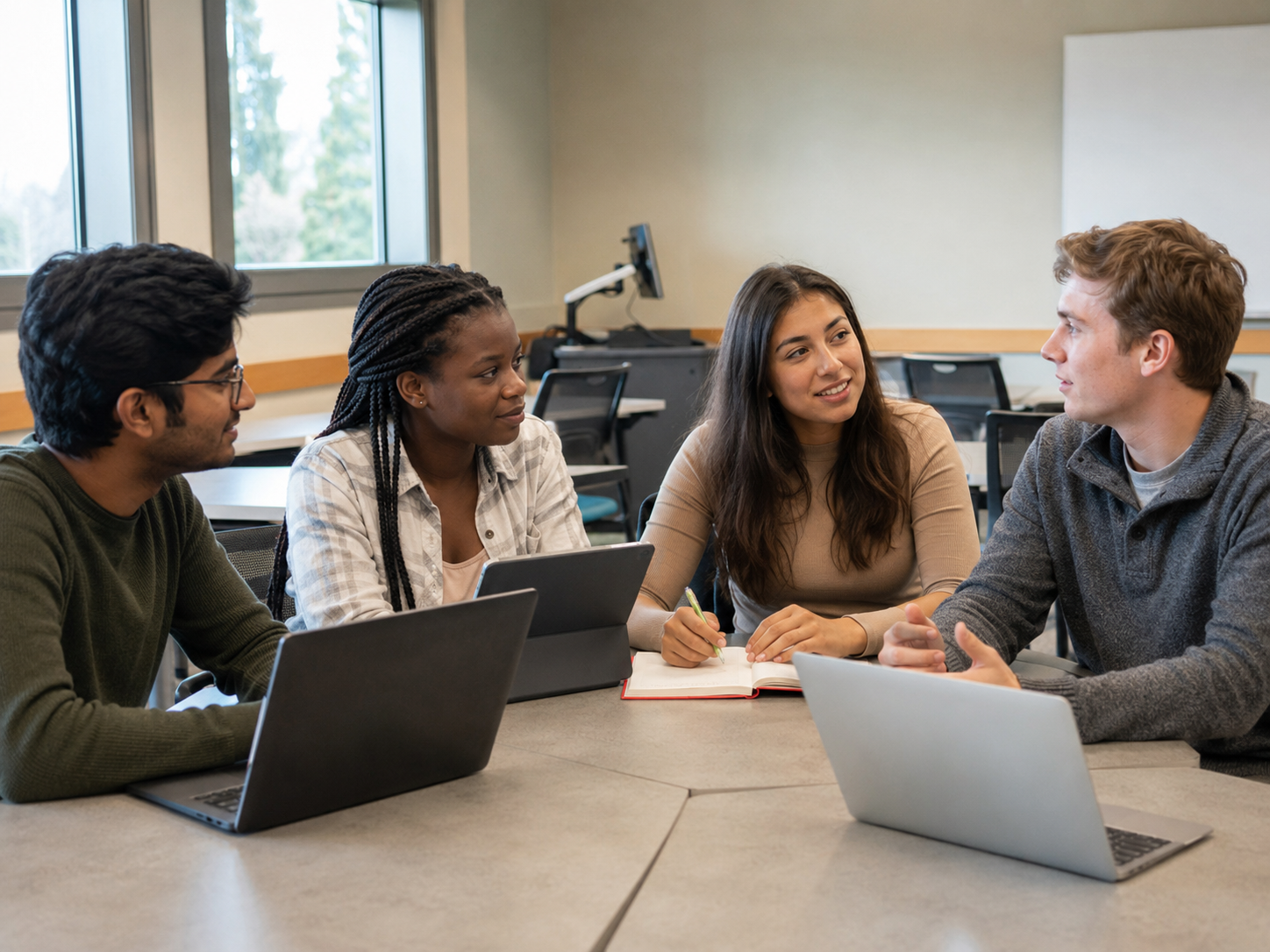
A professional meeting may last only a few minutes, but the impression you leave can continue much longer. For international students, following up after professional meetings can feel uncertain. You may wonder whether an email is necessary, how formal it should be, or whether contacting the person again will seem pushy. A thoughtful follow-up is a simple way to show appreciation, confirm next steps, and keep a professional relationship active.
Why Following Up After Professional Meetings Matters
A follow-up message is more than a thank-you note. It can help the other person remember who you are, what you discussed, and what action was agreed upon. This is useful after meeting a professor, academic adviser, recruiter, career counselor, alumni contact, internship supervisor, or research mentor.
Professional communication in the United States often values clarity, reliability, and respect for time. However, expectations vary between universities, industries, workplaces, and individuals. The goal is not to follow a rigid script. It is to communicate politely and make the next step easy to understand.
A strong follow-up can help you:
- Express appreciation for the person’s time.
- Confirm important advice, deadlines, or responsibilities.
- Share a document or resource you promised to send.
- Show that you listened carefully.
- Maintain a connection for future opportunities.
How to Follow Up After Professional Meetings
1. Send the Message at an Appropriate Time
For most professional meetings, sending a follow-up within 24 to 48 hours is a practical approach. It keeps the conversation fresh without making the message feel rushed. If the meeting included an urgent deadline or a promise to send something immediately, follow the timeline discussed.
2. Use a Clear Subject Line
The subject line should help the recipient understand the purpose of your email quickly. Avoid vague subjects such as “Hello,” “Important,” or “Question.”
Useful subject lines may include:
- Thank You for Meeting With Me
- Follow-Up on Our Career Center Meeting
- Next Steps After Our Research Discussion
- Requested Resume and Writing Sample
- Follow-Up Regarding Internship Opportunities
3. Begin With Appreciation
Start by thanking the person for meeting with you. Mentioning a specific part of the conversation makes the message feel genuine rather than copied.
You might thank a professor for explaining research opportunities, a recruiter for describing the hiring process, or an alumni contact for sharing career advice. One specific detail is usually enough.
4. Briefly Restate the Main Point
Professional follow-up emails should be easy to scan. After expressing appreciation, summarize the most important discussion point or next step in one or two sentences. This can prevent misunderstandings and demonstrate that you were paying attention.
If the person asked you to complete an action, clearly state what you have done or when you expect to complete it. Do not summarize the entire meeting unless detailed notes are necessary.
5. Include a Clear Next Step
End with a specific and respectful action when needed. You might ask whether the recipient is available for another conversation, confirm that you will submit an application, or mention that an attached document is ready for review.
Avoid ending with several unrelated questions. If you need a response, make the main request easy to identify.
6. Review the Message Before Sending
Check the recipient’s name, title, spelling, attachments, and meeting details. Confirm that the tone is professional but natural. Reading the email aloud can help you notice unclear or overly formal sentences.
Professional Follow-Up Email Example
The following structure can be adjusted for a professor, recruiter, adviser, supervisor, or professional contact:
Subject: Thank You for Meeting With Me
Dear Ms. Taylor,
Thank you for taking the time to speak with me yesterday about internship opportunities in data analysis. I especially appreciated your advice about strengthening my project portfolio and explaining how your team evaluates applicants.
As discussed, I have attached my updated resume. I will also complete the portfolio changes before submitting my application next week.
Thank you again for your guidance. I enjoyed learning more about the role and hope to stay in touch.
Best regards,
Your Name
Use this example as a framework rather than copying every sentence. The strongest messages reflect the actual conversation.
Following Up After Different Types of Meetings
After Meeting a Professor or Research Mentor
Mention the course, research topic, or academic advice you discussed. Include any material the professor requested. If you are asking about research involvement, avoid assuming that a position is available. Express interest and ask about an appropriate next step.
After Meeting a Recruiter or Employer
Thank the person for explaining the position or organization. Briefly connect your interests or experience to something discussed during the meeting. Attach documents only when requested or clearly relevant.
After a Networking Conversation
Networking follow-ups should focus on appreciation and maintaining the relationship. Do not immediately ask for a job unless the person invited that request. Mention one useful lesson from the conversation and connect on a professional platform when appropriate.
After an Advising Appointment
Confirm the actions you plan to take, such as revising a resume, researching programs, or scheduling another appointment. This shows that you value the adviser’s recommendations and are taking responsibility for your progress.
Common Follow-Up Mistakes to Avoid
- Waiting too long: A delayed message may make it harder for the person to remember the discussion.
- Writing too much: Focus on appreciation, context, and the next step.
- Using an overly casual tone: Avoid slang, unexplained abbreviations, or careless wording.
- Sending repeated reminders too quickly: Give the recipient reasonable time to respond.
- Forgetting the attachment: Confirm that every promised document is included.
- Using a generic template: Add at least one detail from the actual meeting.
- Making several requests at once: Keep the main purpose clear.
Practical Advice for International Students
Do not worry about making every sentence sound like a native speaker wrote it. Clear, respectful communication is more important than complicated vocabulary. Short sentences often make professional emails easier to understand.
Observe how professors, advisers, and colleagues communicate. Some people prefer formal greetings, while others use a more conversational style. When you are unsure, begin slightly more formally and adjust based on the relationship.
Keep simple notes after important meetings. Record the person’s name, the date, key advice, promised documents, and follow-up deadline. This can prevent missed commitments when you are balancing classes, applications, and campus responsibilities.
If the recipient does not respond, consider whether a reply is necessary. When you need an answer, one polite reminder after a reasonable period may be appropriate. Restate the request briefly and avoid expressing frustration.
Conclusion
Following up after professional meetings is a small habit that can strengthen academic and career relationships. A useful message does not need to be long or impressive. It should thank the recipient, refer to the conversation, confirm any next step, and make your purpose clear.
With practice, professional follow-up becomes easier. Each thoughtful message shows that you are attentive, reliable, and respectful of the other person’s time. Those qualities can help you build confidence and maintain meaningful connections throughout your studies and future career.
From university selection and scholarships to F-1 visa interview preparation — expert guidance built for international students.