
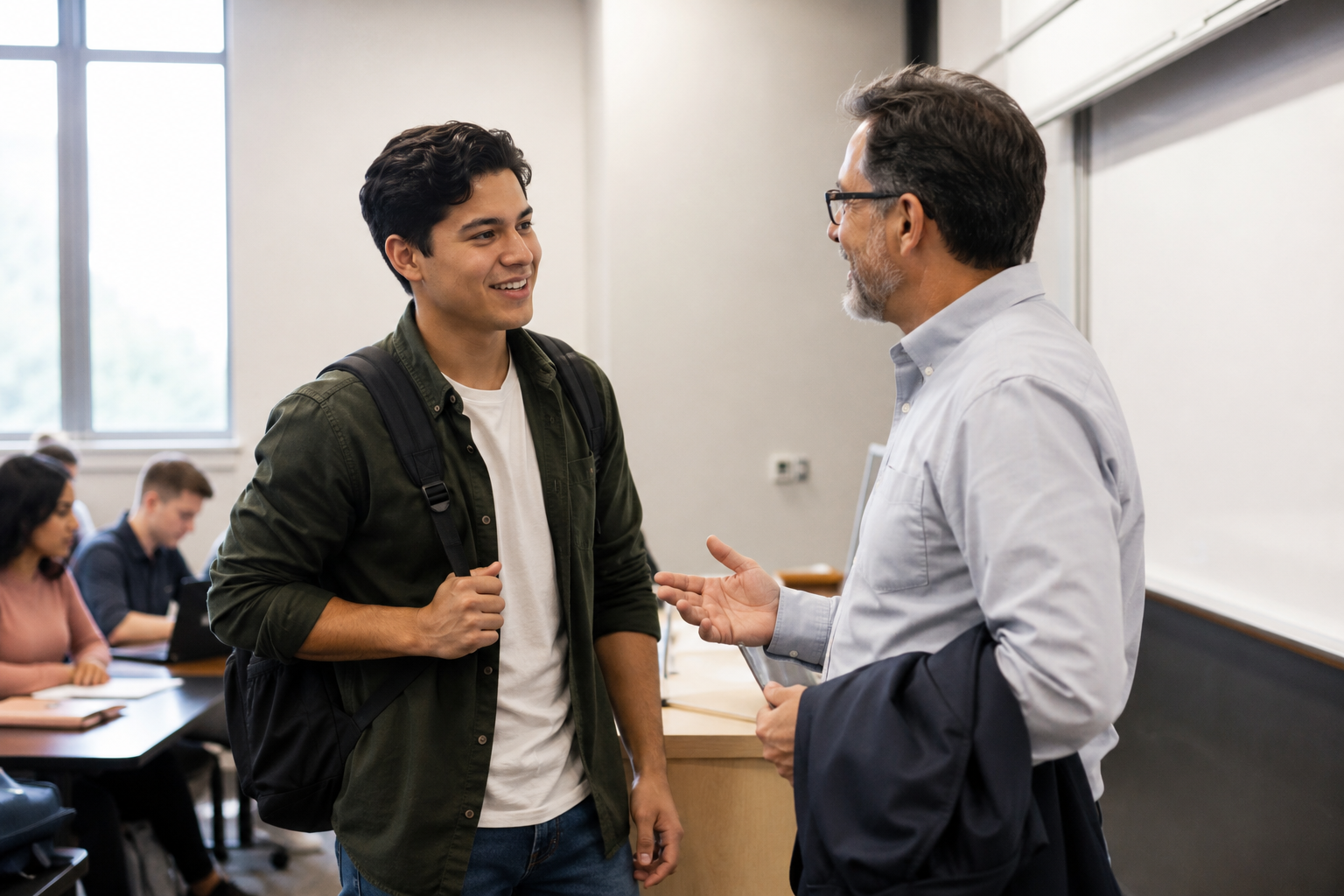
Building professional relationships from day one can make a significant difference in your experience as an international student in the United States. While adjusting to a new country, academic system, and culture may feel overwhelming, the connections you make early can support your studies, personal growth, and future career goals.
Many students focus only on classes during their first semester, but professional networking begins much earlier than graduation. By taking small, consistent steps from your first week on campus, you can develop meaningful relationships that benefit you throughout your academic journey.
Why Building Professional Relationships From Day One Matters
Professional relationships are more than simply knowing people. They create opportunities to learn, receive guidance, collaborate on projects, and become part of your university community.
Strong connections may help you:
- Learn about academic opportunities.
- Discover internships and campus jobs.
- Receive valuable career advice.
- Improve communication and teamwork skills.
- Build confidence in professional settings.
- Create a supportive network during your studies.
These relationships often develop gradually through genuine interactions rather than formal networking events alone.
Start With Your Professors
Your instructors are among the first professional contacts you will have in the United States. Attending office hours, asking thoughtful questions, and participating in class discussions demonstrate your interest in learning.
You do not need to impress your professors with perfect answers. Being respectful, curious, and prepared often leaves a stronger impression than trying to appear as though you know everything.
Connect With Your Classmates
Your classmates may become future colleagues, research partners, or lifelong friends. Introduce yourself early, participate in group projects, and be open to working with students from different backgrounds.
Simple actions can make a difference:
- Join study groups.
- Exchange contact information after class.
- Offer help when appropriate.
- Participate actively in group assignments.
- Attend departmental events together.
Get Involved on Campus
Universities offer numerous opportunities to meet people with similar interests. Student organizations, academic clubs, volunteer programs, and campus events allow you to interact naturally with students, faculty, and professionals.
Consider joining organizations related to:
- Your academic major.
- Professional development.
- Community service.
- Entrepreneurship.
- Technology or research.
- Cultural exchange.
Active participation often leads to stronger and more meaningful connections.
Build Relationships With University Staff
Professional relationships extend beyond professors and classmates. Academic advisors, librarians, career center staff, international student office staff, and teaching assistants can provide valuable guidance throughout your studies.
Do not hesitate to ask questions or seek advice when needed. These conversations can help you better understand university resources and make informed decisions.
Use Career Services Early
Many students wait until their final year before visiting the career center. Instead, consider using these resources from your first semester.
Career services may help you:
- Review your resume.
- Practice interview skills.
- Attend networking events.
- Explore career paths.
- Prepare for internships.
- Learn professional communication.
Starting early gives you more time to develop the skills employers value.
Develop Professional Communication Skills
Good professional relationships are built through respectful communication. Reply to emails politely, arrive on time for meetings, and follow through on commitments.
Professional habits include:
- Using respectful language.
- Listening carefully.
- Responding promptly to messages.
- Being dependable.
- Showing appreciation for others’ time.
Consistency often matters more than perfection.
Common Mistakes to Avoid
- Waiting until graduation to begin networking.
- Only speaking with students from your own country.
- Ignoring campus events and workshops.
- Being afraid to ask professors questions.
- Failing to follow up after meeting someone.
- Expecting immediate career opportunities from every connection.
Practical Tips for Building Lasting Connections
- Introduce yourself during your first week.
- Attend office hours at least once each semester.
- Participate actively in campus organizations.
- Volunteer for projects and events.
- Keep your communication professional and respectful.
- Stay in touch with mentors and classmates over time.
Remember that meaningful professional relationships grow through trust, reliability, and genuine interest rather than collecting as many contacts as possible.
Frequently Asked Questions
Do I need to be outgoing to build professional relationships?
No. Small, consistent interactions often build stronger relationships than large networking events. Listening well and showing genuine interest can be just as valuable.
When should I start networking?
The best time is during your first semester. Early connections can support both your academic and professional development throughout university.
Should I only network within my major?
No. Building relationships across different departments and student organizations can expose you to new ideas, collaborations, and opportunities.
Conclusion
Building professional relationships from day one is one of the smartest investments you can make as an international student. Every conversation with a professor, classmate, advisor, or campus staff member can contribute to your personal and academic growth.
Focus on being respectful, approachable, and genuinely interested in learning from others. Strong professional relationships develop over time, and the connections you make today may continue to support your educational journey and future career long after graduation.
Disclaimer: This article is provided for educational purposes only. University policies and available resources vary by institution. Always consult your university for guidance related to your academic and professional development.
From university selection and scholarships to F-1 visa interview preparation — expert guidance built for international students.