
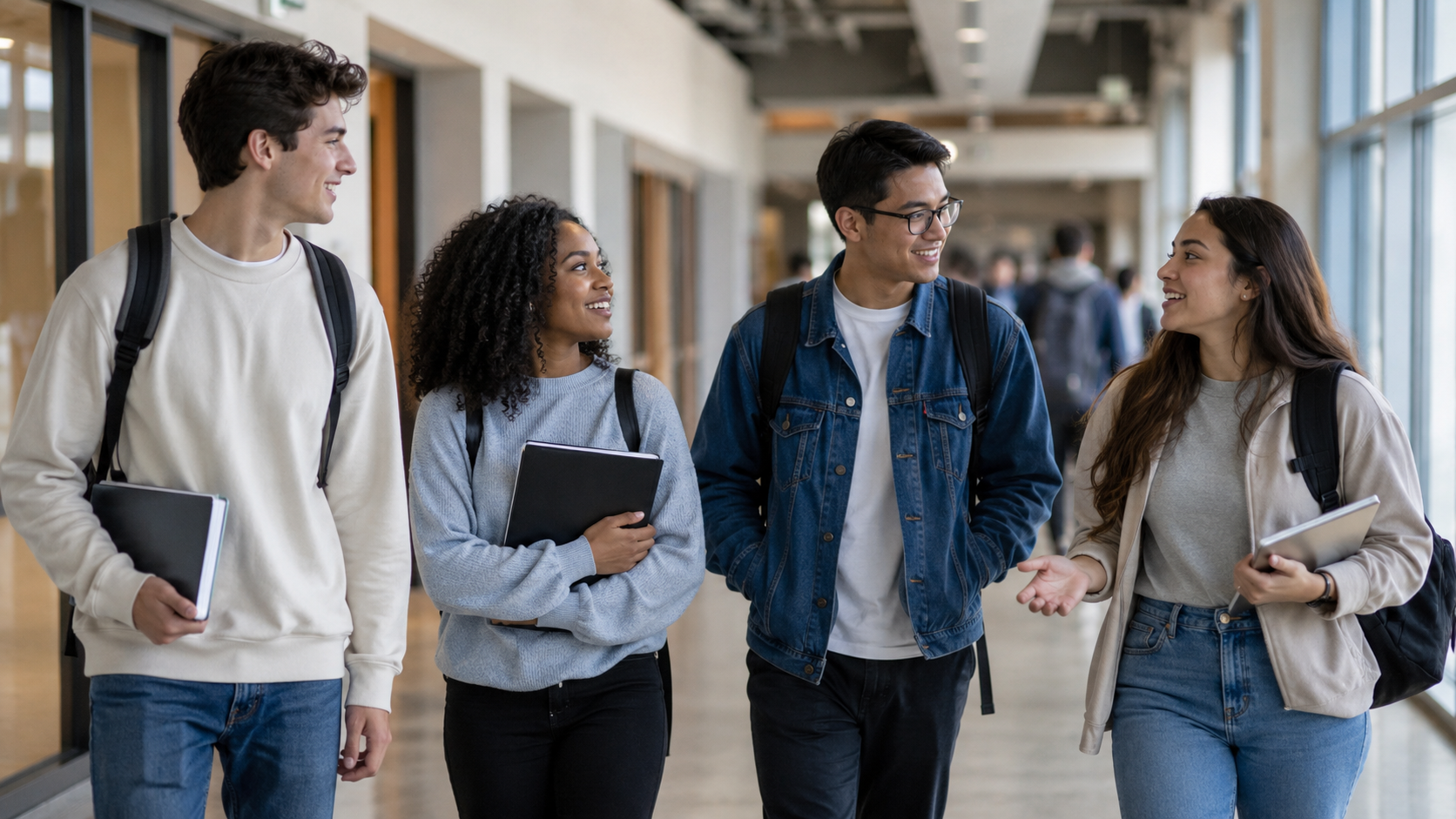
Many international students focus only on grades, assignments, exams, and visa responsibilities. That is understandable. Life as an F-1 student can feel busy from the first week. But why networking matters more than you think is simple: your university journey is not only about what you study. It is also about who you meet, what you learn from others, and how you build confidence in a new academic and professional environment.
Networking does not mean asking strangers for jobs. It does not mean forcing conversations or acting overly confident. For international students, networking means building genuine relationships with classmates, professors, advisors, alumni, career staff, and professionals who can guide, inform, and support your journey.
Why Networking Matters More Than You Think in U.S. University Life
When international students arrive in the United States, they often believe success depends only on academic performance. Good grades are important, but they are not the full picture. In U.S. universities, opportunities often come through communication, participation, and relationships.
Networking can help you:
- Understand campus culture faster.
- Learn about useful student resources.
- Find study partners and project teammates.
- Improve your communication confidence.
- Discover internships, research roles, and campus opportunities.
- Get advice from students who have already faced similar challenges.
- Build professional confidence before graduation.
Many students miss opportunities not because they are unqualified, but because they do not know where to look or who to ask. Networking helps close that gap.
Why Networking Matters More Than You Think for Career Growth
Career development in the U.S. often starts before graduation. Students who wait until their final semester may feel rushed and confused. Networking helps you understand your field earlier, learn what employers value, and prepare your profile step by step.
For F-1 students, networking can be especially helpful because career planning may connect with CPT, OPT, internships, job search strategy, and understanding how your major connects to real-world work. Networking does not replace official guidance from your DSO or career office, but it can help you ask better questions and make more informed decisions.
Networking Helps You Learn From Real Experiences
A website or brochure can explain a program, but a real student or graduate can explain what the experience feels like. When you talk to seniors, alumni, or professionals, you may learn:
- Which skills are important in your field.
- What internships usually require.
- Which campus events are worth attending.
- How students prepare for interviews.
- What mistakes to avoid during the job search.
This kind of practical knowledge can save time and reduce confusion.
Networking Builds Confidence
Many international students feel nervous speaking in class, attending events, or introducing themselves to new people. This is normal. Networking is a skill that improves with practice.
You do not need to become extremely outgoing. Start with small conversations. Ask one classmate about an assignment. Visit one office hour. Attend one student organization meeting. Over time, these small steps can make you feel more comfortable in academic and professional spaces.
Step-by-Step: How International Students Can Start Networking
1. Start With Your Classmates
Your classmates are often the easiest place to begin. You already share a course, project, or academic interest. A simple conversation before or after class can lead to a study group, project team, or long-term friendship.
You can start with simple questions:
- “How are you preparing for the next assignment?”
- “Do you want to study together before the exam?”
- “Have you taken this professor before?”
- “Are you attending the department event this week?”
2. Use Professor Office Hours
Office hours are not only for students who are struggling. They are also for students who want to understand the subject better, ask about research, or discuss academic direction.
You can ask your professor:
- How can I improve in this subject?
- Are there research opportunities for students in this area?
- What skills should I build if I want to work in this field?
- Are there books, labs, or projects you recommend?
Respect their time, prepare your questions, and keep the conversation professional.
3. Attend Career Center Events
Most universities offer career fairs, resume workshops, employer sessions, and interview preparation events. Many students ignore these events until they urgently need a job. It is better to attend early, even if you are not ready to apply yet.
Career events help you understand:
- What employers look for.
- How to introduce yourself professionally.
- What questions students commonly ask recruiters.
- How your major connects to different career paths.
4. Join Student Organizations
Student clubs are one of the best ways to build natural connections. You can join academic clubs, cultural groups, professional associations, volunteer groups, or international student organizations.
Clubs help you meet people outside your classroom. They can also give you leadership experience, teamwork practice, and confidence in social settings.
5. Connect With Alumni
Alumni can be valuable because they once stood where you are standing now. Many alumni understand the challenges of choosing courses, finding internships, preparing for interviews, and entering professional life after graduation.
When reaching out to alumni, keep your message respectful and short. Do not ask for a job immediately. Instead, ask for advice, insight, or a short informational conversation.
Common Networking Mistakes to Avoid
Mistake 1: Only Networking When You Need Something
Networking should not feel transactional. If you contact people only when you need a favor, it may feel uncomfortable. Build relationships before you urgently need help.
Mistake 2: Asking for Jobs Too Quickly
Instead of asking, “Can you get me a job?” ask thoughtful questions about the field, skills, hiring process, or career path. Advice can often be more useful than a direct request.
Mistake 3: Not Following Up
If someone gives you advice, thank them. If you attend an event, connect later. If a professor helps you, show appreciation. A simple follow-up message can strengthen the relationship.
Mistake 4: Avoiding Events Because of Shyness
You do not need to speak to everyone. Your goal can be simple: attend the event, listen carefully, and speak to one person. Small progress still counts.
Mistake 5: Ignoring Campus Resources
Many students search online for answers while ignoring the people on campus who are paid to help them. Academic advisors, career staff, international student offices, writing centers, and student organizations can all be part of your support network.
Practical Networking Tips for F-1 Students
Networking becomes easier when you treat it as a weekly habit instead of a one-time task. You do not need a perfect plan. You need consistency.
Try these simple actions:
- Speak to one new classmate each week.
- Attend one campus event each month.
- Visit your professor’s office hours at least once during the semester.
- Meet your career center before your final year.
- Keep your LinkedIn profile professional and updated.
- Join one student organization related to your interests.
- Ask seniors about classes, internships, and campus resources.
Also remember to be professional online. Use a clear profile photo, write a simple headline, and keep messages respectful. You do not need to sound perfect. You only need to sound sincere, clear, and thoughtful.
How Networking Supports Your Long-Term Student Journey
Networking can support more than career goals. It can also help you feel less alone. Many international students silently struggle with homesickness, academic pressure, cultural adjustment, or fear of asking questions. A strong network can make university life feel more manageable.
Your network may include:
- Friends who help you adjust socially.
- Classmates who help you study better.
- Professors who guide your academic growth.
- Advisors who help you understand requirements.
- Career staff who help you prepare professionally.
- Alumni who share real-world experience.
These relationships can make your U.S. education more meaningful and less stressful.
Final Thoughts: Networking Is Not Pressure, It Is Support
Now you understand why networking matters more than you think. It is not just about finding a job. It is about learning faster, asking better questions, building confidence, and creating a support system in a new country.
Start small. Speak to classmates. Attend campus events. Ask professors thoughtful questions. Visit the career center before you feel desperate. Build relationships with respect and patience.
As an international student, you do not have to figure out everything alone. The right connections can help you feel more informed, more confident, and more prepared for your academic and professional future.
This content is for educational guidance only and does not provide legal advice. F-1 student situations can vary by school, program, and individual circumstances. Always speak with your DSO, academic advisor, or qualified campus support office for guidance specific to your situation.
From university selection and scholarships to F-1 visa interview preparation — expert guidance built for international students.